Vista previa Vista previa en RA Encargar reproducción pintada a mano Ver versión en imagen digital Compartir
Ver detalles Añadir a favoritos Descargar Ver artículos similares Radiografía Presentación de diapositivas Estadísticas

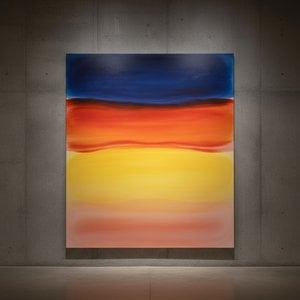
Mother and Child

The Rothko Chapel houses fourteen paintings by Mark Rothko, exploring themes of spirituality and contemplation within its octagonal structure. Founded by John and Dominique de Menil, it stands as a testament to artistic vision and intercultural dialogue.

Explore la vida y obra de Mark Rothko (1903-1970), un pintor clave del Expresionismo Abstracto. Descubre sus icónicos cuadros de campo de color, su profundidad emocional e impacto perdurable en el arte moderno. #ExpresionismoAbstracto #CamposDeColor #Rothko #HistoriaDelArte

Giclée / Impresión de arte

Impresiones giclée o en lienzo de calidad de museo con producción rápida y opciones de acabado flexibles. ( Encargar reproducción pintada a mano Ver versión en imagen digital)

P118B $10
P118H $10
P118W $10
P438Z $10
P508JH $12
P508YH $12
P805H $10
P805Z $10
P919BZ $10
P919G $10
P919XJ $10
P959ZH $10
P968JZ $12
W106C $8
W218G $10
W218JH $8
W218Y $10
W307PJ $10
W316G $10
W316PJ $8
W316Y $10
W398PJ $8
W4111J $10
W500HY $15
W500JH $15
W692G $12
W849H $8
W940BG $15
W953PJ $8

Estándar
personalizado
CM
INCH

Elija entre nuestros tamaños predefinidos que respetan las proporciones originales de la obra.

ancho
altura

Puede introducir sus propias dimensiones para adaptarse a un marco o espacio específico. Si el tamaño seleccionado no coincide con las proporciones de la imagen original, recortaremos la obra de arte o extenderemos la imagen con un borde con efecto espejo o de color sólido. Se enviará una maqueta digital para su aprobación antes de que comience la producción.
Tenga en cuenta que la vista previa en pantalla no refleja el recorte o la extensión real. Solo la maqueta mostrará con precisión la composición final.
Aunque existen tamaños personalizados, recomendamos seleccionar una dimensión de la lista predefinida para preservar las proporciones originales.

Envío a todo el mundo () en 2 semanas en lugar de las 4/5 semanas estándar. (15 septiembre)

why_choose_icon
Envío exprés gratuito a todo el mundo
why_choose_icon
Lienzo de lino de alta calidad
why_choose_icon
Seguro de envío completo
why_choose_icon
Garantía de reembolso de impuestos aduaneros
why_choose_icon
Garantía de fidelidad cromática exacta
why_choose_icon
Política de devolución de 100 días (solo por defectos)
why_choose_icon
Garantía de devolución del 100% del dinero
why_choose_icon
Oferta por volumen

Precio total

$ 68

reproduction

Mother and Child

Giclée / Impresión de arte

Tamaño de la reproducción

-

Precio total

$ 68

Datos clave

  • Title: Mother and Child
  • Movement: Abstract Expressionism
  • Medium: Oil on Canvas
  • Artist: Mark Rothko
  • Location: National Gallery of Art
  • Artistic style: Color Field Painting
  • Dimensions: 8×13 cm

Cuestionario de arte

Cada pregunta tiene una única respuesta correcta.

Pregunta 1:
What is the primary artistic style of “Mother and Child” by Mark Rothko?
Pregunta 2:
The painting depicts two women engaged in what activity?
Pregunta 3:
What is the significance of the vases positioned around the canvas?
Pregunta 4:
In what year was “Mother and Child” created?
Pregunta 5:
What is Mark Rothko known for exploring in his artwork?

A Tender Resonance: The Soul of Mother and Child

In the vast, often turbulent landscape of modern art, few works possess the quiet, grounding intimacy found in Mark Rothko’s Mother and Child. Painted around 1934, this piece serves as a poignant window into the artist's formative years, capturing a moment of profound human connection before his transition into the monumental abstractions that would define his legacy. The painting presents a tender portrait of two figures—a mother standing in protective proximity to her seated child—engaged in a silent, shared existence. While the composition retains elements of representational form, there is an unmistakable atmospheric quality that transcends mere depiction, inviting the viewer into a space of deep, meditative stillness.

The visual narrative is enriched by a delicate arrangement of surroundings, where subtle details like the presence of vases and a soft, verdant plant in the corner ground the emotional weight of the figures within a domestic, yet ethereal, setting. This interplay between the tangible world and the intangible emotion creates a sense of timelessness, making the work an exquisite choice for those looking to introduce a sense of peace and contemplative depth into a curated interior space.

Mastery of Light and Layered Emotion

Technically, Mother and Child showcases the early brilliance of Rothko’s approach to medium and light. Long before his signature large-scale color fields, Rothko was experimenting with the meticulous layering of thin, translucent washes of pigment. This technique allows light to penetrate the surface of the canvas, creating a soft, inner luminescence that seems to emanate from within the figures themselves. The surfaces possess a velvety texture, absorbing the gaze and pulling the observer into a rhythmic dance of subtle tonal variations.

The artist’s control over color is nothing short of masterful; even in this more figurative period, he utilizes hues not just to define shape, but to evoke temperament. The way the light falls across the figures suggests a sanctity in the everyday, transforming a simple maternal interaction into a universal symbol of vulnerability and care. For the collector or interior designer, this technique offers a sophisticated visual texture that complements both minimalist modernism and more classical, opulent decor, providing a focal point that is both intellectually stimulating and visually soothing.

A Legacy of Connection and Spirit

To understand Mother and Child is to understand the roots of Rothko’s lifelong preoccupation with existential themes. Emerging from a period shaped by his engagement with Jewish mysticism and the heavy shadows of early 20 much-discussed historical upheavals, the painting vibrates with an underlying sense of compassion and the sacredness of human bonds. It is a work that speaks to the fundamental need for connection in an often fragmented world.

For those seeking to adorn a home or gallery with a piece of art history, this reproduction offers more than just aesthetic beauty; it offers an emotional anchor. Whether placed in a quiet study, a serene bedroom, or a grand living area, the painting acts as a silent interlocutor, prompting reflection on the enduring strength of love and the delicate nature of life. It is a profound testament to the idea that even within the most personal moments, there exists a universal, spiritual truth that connects us all.


Biografía del artista

vida temprana e influencias

Mark Rothko (Marcus Rothkowitz), un reconocido artista estadounidense, nació el 25 de septiembre de 1903 en Dvinsk, Letonia. Su familia emigró a los Estados Unidos cuando tenía solo diez años. Este cambio cultural influyó más tarde en su estilo artístico.

evolución artística

La obra temprana de Rothko se caracterizó por el **expresionismo abstracto**, un estilo que enfatizaba el proceso de creación del arte más que el producto final. Sus pinturas, como No. 18 (1948) y Untitled (1948), mostraban su enfoque único del color y la forma.
  • **Campo de color:** El uso de campos de color rectangulares audaces por Rothko, a menudo en marcado contraste entre sí, creó una sensación de profundidad y emoción.
  • **Estructura orgánica:** Sus pinturas parecían respirar vida, como si los colores fueran entidades vivientes.

obras notables y exposiciones

  • No. 10 (1950), una pintura que marcó un cambio significativo en el estilo de Rothko, ahora forma parte de la colección del Museo de Arte Moderno.
  • Las murales de Seagram, una serie de pinturas encargadas para el restaurante Four Seasons, mostraron la capacidad de Rothko para adaptar su estilo a diferentes entornos.
  • No. 3 (1950), una pintura que ejemplifica el uso de campos de color rectangulares audaces por Rothko.

vida tardía y legado

La vida de Rothko estuvo marcada por las luchas con la salud mental y un matrimonio tumultuoso. Falleció el 25 de febrero de 1970, a los 66 años. A pesar de sus desafíos, Rothko dejó una huella imborrable en el mundo del arte. Ocre y rojo sobre rojo (campo de color), una pintura que muestra el enfoque único del color de Rothko, se puede encontrar en la colección WahooArt.com. La página de Wikipedia de Mark Rothko proporciona más información sobre su vida y estilo artístico.
Mark Rothko

Mark Rothko

1903 - 1970 , Letonia

Datos clave

  • Artistas Que Influyeron:
    • Edward Hopper
    • Pablo Picasso
  • Fecha De Muerte: 25 de febrero de 1970
  • Fecha De Nacimiento: 25 de septiembre de 1903
  • Influencia En Artistas:
    • Minimalismo
    • Arte contemporáneo
  • Lugar De Nacimiento: Daugavpils, Letonia
  • Movimiento Artístico: Expresionismo Abstracto
  • Nacionalidad: Estadounidense
  • Nombre Completo: Mark Rothko (Marcus Rothkowitz)
  • Obras Notables:
    • No. 18 (1948)
    • No. 10 (1950)
    • Murales Seagram
    • No. 3 (1950)
Explore obras de arte organizadas por temas, estilos y características.