Asesoría de arte gratuita

x
Comprar impresión Comprar impresiónEncargar reproducción Encargar reproducción EnviarEnviar
DetallesDetalles Añadir a favoritos Añadir a favoritos DescargarDescargar SimilaresSimilares Rayos XRayos X Presentación de diapositivasPresentación de diapositivas

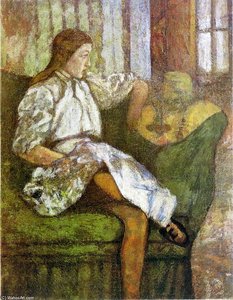
Coffee mill

Marcel Duchamp’s ‘Coffee Mill,’ a Dadaist clockwork critique, presents a stark juxtaposition of a coffee grinder and a complex clock face, challenging artistic conventions with graphite on board. Explore this iconic 1911 artwork and own a piece of modern art history.

Marcel Duchamp (1887-1968): Artista francés-estadounidense pionero del Cubismo, Dada y Arte Conceptual. Revolucionó la escultura con 'ready mades' como Fountain. Explore su obra influyente y su legado.

Adquiera una imagen digital de alta resolución y optimizada, muy superior a la vista previa en línea.

Cada archivo es preparado meticulosamente por nuestros especialistas internos mediante el uso de herramientas avanzadas y un experto retoque manual. Nos aseguramos de que cada imagen posea una claridad excepcional, una precisión cromática impecable y un detalle minucioso.

El archivo final se entrega por correo electrónico en un plazo de 72 horas, optimizado para su uso inmediato en entornos profesionales, editoriales y de impresión. Esta es la misma calidad en la que confían los estudios de diseño, las editoriales y las galerías de primer nivel.

Imagen Digital

Descarga un archivo de alta resolución para exhibición personal, impresión y proyectos creativos.

Precio total

$9.99

Incluido en cada pedido de imagen digital

Entrega digital experta, garantizada.

Al elegir WahooArt.com, no solo está adquiriendo una imagen; está recibiendo una obra de arte digital mejorada profesionalmente, elaborada con precisión y respaldada por una garantía de satisfacción. Esto es todo lo que incluye su pedido, automáticamente:

shipping_icon
Entrega rápida por email

Recibirá su archivo de imagen digital en alta resolución por correo electrónico en un plazo de 72 horas tras realizar su pedido, listo para su uso inmediato.

canvas_icon
Archivo digital optimizado con IA

Su obra de arte se optimiza profesionalmente mediante herramientas avanzadas de IA y edición manual, garantizando el máximo detalle, claridad y precisión cromática.

insurance_icon
Reenvío gratuito de por vida

¿Has borrado o perdido tu archivo por error? No te preocupes: te lo volveremos a enviar en cualquier momento, sin coste adicional.

tax_icon
Sin cargos de importación - Siempre

Disfrute de su obra de arte al instante sin aduanas, aranceles ni gastos de envío; las descargas digitales siempre están libres de impuestos.

color_icon
Garantía de fidelidad de color

Garantizamos que su imagen digital refleje los colores originales con la mayor fidelidad posible, mediante el uso de herramientas profesionales y gestión del color.

return_icon
Garantía de satisfacción de 60 días

Si no está satisfecho con su imagen digital, la revisaremos o le reembolsaremos el 100% en un plazo de 60 días, sin preguntas.

guarantee_icon
100% Garantía de devolución de dinero

¿No está satisfecho? Obtenga un reembolso completo dentro de los 60 días posteriores a la recepción de su archivo digital, sin preguntas.

discount_icon
Descuentos por pedidos al por mayor

Compra 3 imágenes, ahorra 10% - Compra 5, ahorra 15% - Compra 10+, ahorra 20%. Ideal para proyectos creativos, galerías y agencias.

Datos clave

  • Movement: Dadaism
  • Subject or theme: Still Life
  • Location: Tate Britain
  • Notable elements or techniques: Clock faces, Readymade
  • Medium: Oil paint & graphite on board
  • Title: Coffee Mill
  • Artist: Marcel Duchamp

Test de arte

Solo hay una respuesta correcta para cada pregunta.

Pregunta 1:
What artistic movement is Marcel Duchamp’s ‘Coffee Mill’ associated with?
Pregunta 2:
The painting prominently features a large clock face. What does this element symbolize in the context of Dadaist art?
Pregunta 3:
Which artist collaborated with Marcel Duchamp on ‘Coffee Mill’?
Pregunta 4:
What technique was primarily used in the creation of 'Coffee Mill'?
Pregunta 5:
‘Coffee Mill’ is considered a seminal work because it exemplifies Duchamp's challenge to what fundamental concept of art?

Descripción del coleccionable

A Clockwork Critique: Marcel Duchamp’s ‘Coffee Mill’

Marcel Duchamp's “Coffee Mill,” created in 1911, stands as a cornerstone of Dadaism and a profound disruption of artistic conventions. More than just an image of a mundane object—a simple coffee grinder—it embodies Duchamp’s radical questioning of what constitutes art itself. This painting isn’t about capturing beauty or portraying reality; it's about provoking thought and dismantling established hierarchies within the visual arts. The artwork resides in the Tate Britain collection, offering visitors a tangible connection to this pivotal moment in artistic history.

The Dadaist Paradox: Objecthood and Conceptual Art

Duchamp’s approach was deliberately antithetical to the prevailing artistic trends of his time—primarily Cubism—which sought to represent objects from multiple perspectives simultaneously. Instead, he championed “readymades”—ordinary manufactured items presented as artworks—a concept that fundamentally challenged the notion of artistic skill and originality. "Coffee Mill" exemplifies this ethos perfectly. The grinder itself is juxtaposed with a large clock face dominating the left side of the canvas. This deliberate pairing isn’t accidental; it underscores Duchamp's preoccupation with time, repetition, and the mechanization of daily life—themes central to Dadaist ideology.

Technical Considerations: Graphite and Board

Executed in graphite on board, “Coffee Mill” demonstrates a masterful control of tonal gradation and texture. Duchamp employed meticulous layering techniques to achieve a subtle yet impactful visual effect. The graphite pencil strokes create a velvety surface that contrasts beautifully with the stark white of the board, emphasizing the object’s materiality without resorting to illusionistic representation. This understated approach aligns seamlessly with Dada's rejection of decorative embellishment and its focus on intellectual engagement rather than sensory pleasure.

Symbolism Beyond Appearance

The clock faces surrounding the grinder carry significant symbolic weight. They represent not just time passing but also control, order, and the relentless march of progress—forces that Duchamp viewed as oppressive and dehumanizing. The repetition of clock faces reinforces this idea, suggesting a cyclical pattern of activity and highlighting the absurdity of attempting to impose rational structures onto chaotic existence. This visual metaphor powerfully communicates Duchamp’s philosophical stance: art should question assumptions and expose contradictions.

Emotional Resonance: A Silent Challenge

Despite its lack of overt emotional expression, “Coffee Mill” possesses an undeniable impact on the viewer. Its stillness invites contemplation—a deliberate refusal to offer easy answers or comforting illusions. The painting compels us to confront our own perceptions of beauty and value, prompting a critical examination of artistic traditions. Like all great art, it lingers in the mind long after viewing, sparking dialogue about its meaning and significance. It’s a testament to Duchamp's genius—a deceptively simple image that encapsulates a complex philosophical argument.

Biografía del artista

vida temprana y comienzos artísticos

marcel duchamp, un pintor, escultor, jugador de ajedrez y escritor francés-estadounidense, nació el 28 de julio de 1887 en Blainville-Crevon, Normandía, Francia. Su familia, conocida por sus inclinaciones culturales, fomentó su temprano interés por el arte. El viaje artístico de Duchamp comenzó con estilos postimpresionistas, experimentando con técnicas y temas clásicos.

evolución artística y obras notables

influencia y legado

El impacto de Duchamp en el arte del siglo XX es inmenso. Él, junto con Pablo Picasso y Henri Matisse, definió las artes plásticas a principios del siglo XX. Su enfoque conceptual del arte ha influido en generaciones de artistas.

conclusión

El enigmático enfoque de arte de Marcel Duchamp, que combina elementos conceptuales y dadaístas, ha dejado una marca indeleble en el mundo del arte. Su legado continúa inspirando a los artistas e influyendo en el desarrollo del arte moderno y contemporáneo. Franck Scurti, un artista francés conocido por su arte conceptual, sigue los pasos de Duchamp, ampliando el legado de este pionero artista.
Marcel Duchamp

Marcel Duchamp

1887 - 1968 , Francia

Información clave

  • Artistas Influenciados Por: ['Franck Scurti']
  • Fecha De Muerte: 1968
  • Fecha De Nacimiento: 28 de julio de 1887
  • Lugar De Nacimiento: Blainville-sur-Mer, Francia
  • Movimiento Artístico:
    • Cubismo
    • Dadaísmo
    • Arte conceptual
  • Nacionalidad: Francesa-estadounidense
  • Nombre Completo: Marcel Duchamp
  • Obras Notables:
    • Fuente
    • Retrato de jugadores de ajedrez
    • La novia desnudada
    • L.H.O.O.Q.
    • Boîte-en-valise