x
Ver en contextoVer en contexto Vista previa en RAVista previa en RA Comprar pintura hecha a mano Comprar pintura hecha a manoComprar imagen Comprar imagen EnviarEnviar
DetallesDetalles Añadir a favoritos Añadir a favoritos DescargarDescargar SimilaresSimilares RadiografíaRadiografía Presentación de diapositivasPresentación de diapositivas

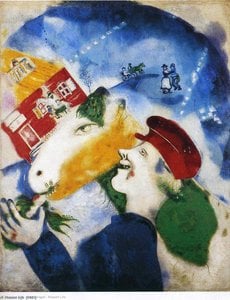
Study for the painting Rain

Marc Chagall’s evocative Study for Rain captures a lively rural scene brimming with fantastical elements—a man walking alongside a goat atop a thatched roof—reflecting the artist's signature dreamlike style and rooted in his Belarusian heritage. Explore this captivating masterpiece and bring its vibrant beauty into your home.

Descubre a Marc Chagall (1887-1985): artista ruso-francés famoso por sus vibrantes pinturas cubistas y simbolistas, temas del folclore judío y impresionantes vidrieras. ¡Explora su legado! #MarcChagall

Giclée / Impresión de arte

Impresiones giclée o en lienzo de calidad de museo con producción rápida y opciones de acabado flexibles. (Comprar pintura hecha a mano Comprar pintura hecha a manoComprar imagen Comprar imagen)

P118B $10
P118H $10
P118W $10
P438Z $10
P508JH $12
P508YH $12
P805H $10
P805Z $10
P919BZ $10
P919G $10
P919XJ $10
P959ZH $10
P968JZ $12
W106C $8
W218G $10
W218JH $8
W218Y $10
W307PJ $10
W316G $10
W316PJ $8
W316Y $10
W398PJ $8
W4111J $10
W500HY $15
W500JH $15
W692G $12
W849H $8
W940BG $15
W953PJ $8

Estándar
a medida
CM
INCH

Elija entre nuestros tamaños predefinidos que respetan las proporciones originales de la obra.

ancho
altura

Puede introducir sus propias dimensiones para adaptarse a un marco o espacio específico. Si el tamaño seleccionado no coincide con las proporciones de la imagen original, recortaremos la obra de arte o extenderemos la imagen con un borde con efecto espejo o de color sólido. Se enviará una maqueta digital para su aprobación antes de que comience la producción.
Tenga en cuenta que la vista previa en pantalla no refleja el recorte o la extensión real. Solo la maqueta mostrará con precisión la composición final.
Aunque existen tamaños personalizados, recomendamos seleccionar una dimensión de la lista predefinida para preservar las proporciones originales.

Envío a todo el mundo () en 2 semanas en lugar de las 4/5 semanas estándar. (2 septiembre)

why_choose_icon
Envío exprés gratuito a todo el mundo
why_choose_icon
Lienzo de lino de alta calidad
why_choose_icon
Seguro de envío total
why_choose_icon
Garantía de reembolso de impuestos aduaneros
why_choose_icon
Garantía de fidelidad cromática exacta
why_choose_icon
Política de devolución de 60 días (solo por defectos)
why_choose_icon
Garantía de devolución del 100% del dinero
why_choose_icon
Descuento por cantidad

Precio total

$ 68

reproduction

Study for the painting Rain

Giclée / Impresión de arte

Dimensiones de la reproducción

-

Precio total final

$ 68

Datos clave

  • Year: 1911
  • Artistic style: Expressionism
  • Subject or theme: Rural life; Folklore
  • Artist: Marc Chagall
  • Influences: Russian Symbolism
  • Medium: Oil on canvas
  • Notable elements or techniques: Symbolic imagery; Surrealist influences

A Window Into Vitebsk’s Soul: Exploring Chagall's Study for Rain

Marc Chagall’s “Study for the Painting Rain,” created in 1911, is far more than a mere depiction of a passing storm; it is an exquisitely crafted distillation of memory and emotion—a testament to one of the most singular artistic visions of the twentieth century. Painted during his formative years amidst the vibrant cultural tapestry of Vitebsk, Belarus, this preparatory sketch anticipates the grandeur of his later monumental masterpieces. It offers an invaluable glimpse into the genesis of a style that would eventually redefine modern art. The artwork immediately captivates the viewer with its audacious palette—a riot of yellows, blues, reds, and greens—that represents a deliberate departure from academic conventions, signaling Chagall’s bold embrace of Fauvist principles.

The technique employed in this piece reflects a profound sense of immediacy and movement. Using oil on canvas, Chagall utilized a loose brushstroke technique that prioritizes expressive gesture over meticulous, photographic detail. This approach lends the painting an ethereal, almost translucent quality, mirroring the dreamlike atmosphere he sought to convey. The texture of the paint itself seems to dance across the surface, creating a sense of fluidity that mimics the very rain it describes. For collectors and interior designers, this piece offers a dynamic energy; its movement makes it a perfect focal point for spaces that require a touch of whimsy and intellectual depth.

Symbolism and the Tapestry of Memory

As the eye wanders through the composition, the scene unfolds with remarkable dynamism. A solitary man strides purposefully along a path leading towards a humble house adorned with a thatched roof—a poignant reference to Chagall’s childhood home and the tight-knit Jewish community of Vitebsk. The inclusion of a goat perched atop the roof is not merely a whimsical detail but an element laden with deep symbolic significance; in Hasidic folklore, goats often represent fertility and abundance, subtly reinforcing themes of renewal and resilience amidst the inclement weather. Scattered figures, including individuals clutching umbrellas, populate the landscape, creating a sense of communal experience that grounds the surreal elements in human reality.

Adding another layer of complexity to this dreamscape is the presence of a clock visible in the upper right corner. This subtle inclusion hints at the relentless passage of time and perhaps reflects Chagall’s lifelong preoccupation with Jewish tradition, ritual observance, and the cyclical nature of life. The painting functions as a bridge between the tangible world of the artist's upbringing and the limitless realm of his imagination. It is this tension between the grounded reality of a village scene and the soaring spirit of expressionism that gives the work its enduring emotional impact.

An Invitation to a Dreamlike Realm

To possess or display a reproduction of this study is to invite a piece of art history into one's personal sanctuary. The work does not merely sit upon a wall; it breathes with the rhythm of a dream, inviting the observer to abandon the constraints of gravity and enter a world where color speaks the language of the soul. For those seeking inspiration in their decor, "Study for the Painting Rain" provides a sophisticated balance of bold, modern color theory and profound, nostalgic storytelling. It is an ideal acquisition for anyone who appreciates art that transcends the visual to touch the spiritual, offering a permanent window into a universe where memory, folklore, and light dance in eternal motion.


Biografía del artista

Marc Chagall: Una Vida en Color e Imaginación

Primeros Años e Influencias

  • Nacimiento y Origen: Marc Zakharovich Chagall nació el 6 de julio de 1887 (O.S. 24 de junio) en Liozna, cerca de Vitebsk, Bielorrusia, dentro de una familia judía hasidica.
  • El Impacto de Vitebsk: Su infancia en Vitebsk, conocida como la “Toledo rusa”, moldeó profundamente su visión artística. La ciudad, con su mezcla única de culturas y su pintoresco paisaje – iglesias, sinagogas, bulliciosos mercados – se convirtió en motivos recurrentes en su obra.
  • Tendencia Artística Temprana: A pesar de los modestos recursos de su familia, Chagall mostró un talento temprano para el arte, aprendiendo inicialmente de un pintor de letreros local antes de seguir una formación formal.

Desarrollo Artístico y Estilo

  • Formación Temprana: Estudió en San Petersburgo con Léon Bakst y más tarde en París en la Academia de la Grande Chaumière, donde se encontró con movimientos vanguardistas.

  • Fusión de Estilos: El estilo de Chagall es una síntesis única de diversas influencias. Absorbió elementos del Cubismo, el Simbolismo y el Fauvismo, pero nunca se adhirió por completo a un solo movimiento, forjando su propio camino distintivo.
  • Características Clave: Su obra se caracteriza por colores vibrantes, imágenes oníricas, criaturas fantásticas y una sensación de nostalgia por su infancia en Vitebsk. A menudo presenta figuras flotantes, perspectivas distorsionadas y representaciones simbólicas.

Obras Maestras y Logros

  • Maestros Tempranos: Pinturas como “Yo y el Pueblo” (1911) demuestran su exploración temprana de la memoria, la identidad y la relación entre el individuo y la comunidad.
  • Revolución Rusa y Regreso a Vitebsk: Después de la Revolución Rusa, Chagall regresó a Vitebsk y se involucró en iniciativas culturales, estableciendo una escuela de arte. Sin embargo, pronto se desilusionó con las restricciones impuestas por el nuevo régimen.
  • Reconocimiento Internacional: Eventualmente dejó Rusia y se estableció en Francia, donde su carrera floreció. Obras notables de este período incluyen “Sobre Vitebsk” (1920-1922) y numerosas pinturas inspiradas en las historias bíblicas como “El Sueño de Jacob.”
  • Comisiones Tardías: Chagall recibió importantes comisiones más tarde en la vida, incluyendo el techo del Opera de París (1964), vidrieras para el sinagoga del Hospital Hebreo Hadassah en Jerusalén y la Catedral de Reims.

Influencias y Legado

  • Influencias Artísticas: Fue influenciado por artistas como Vladimir Lukich Borovikovsky, cuyo retrato admiraba, así como por las corrientes más amplias del modernismo temprano.

  • Impacto en Artistas Posteriores: El trabajo de Chagall ha inspirado a generaciones de artistas con su calidad lírica, profundidad emocional y poder imaginativo. Su influencia se puede ver en el Surrealismo y otros movimientos que adoptaron la fantasía y el simbolismo.
  • Significado Histórico: Se considera uno de los personajes más importantes del arte del siglo XX, conectando el modernismo europeo con la identidad cultural judía. Su capacidad para sintetizar la experiencia personal, las leyendas y los temas universales continúa resonando entre audiencias en todo el mundo.
  • El “Artista Judío Quintesencial”: Chagall es a menudo llamado el “artista judío quintesencial del siglo XX” debido a su exploración frecuente de temas, tradiciones y experiencias judías en su arte.

Muerte y Remembrance

  • Últimos Años: Marc Chagall continuó pintando y creando hasta su muerte el 28 de marzo de 1985, a la edad de 97 años, en Saint-Paul-de-Vence, Francia.
  • Legado Duradero: Su obra se exhibe en importantes museos alrededor del mundo, asegurando que su visión vibrante e imaginativa continúe inspirando y cautivando a los amantes del arte por generaciones venideras.
Marc Chagall

Marc Chagall

1887 - 1985 , belarus

Datos clave

  • Artistas Influenciados: ['Surrealismo']
  • Artistas Que Influyeron: ['Vladimir Lukich Borovikovsky']
  • Fecha De Muerte: 28 de marzo de 1985
  • Fecha De Nacimiento: 6 de julio de 1887
  • Lugar De Nacimiento: Liozna, Bielorrusia
  • Movimiento Artístico:
    • Cubismo
    • Simbolismo
    • Fauvismo
  • Nacionalidad: Ruso-Francés
  • Nombre Completo: Marc Chagall (Moishe Shagal)
  • Obras Notables:
    • Yo y el Pueblo
    • Sobre Vitebsk
    • El Sueño de Jacob
    • Liberación
    • La Promenada
    • Recién casados con París
    • Pliushkin trata a Tchtchikov
    • Bajo la nieve
    • En el cielo sobre la Ópera
    • La Mujer y las Rosas
    • El pintor alado
    • Pareja sobre un Fondo Rojo
    • José ha sido reconocido
Explore obras de arte organizadas por temas, estilos y características.