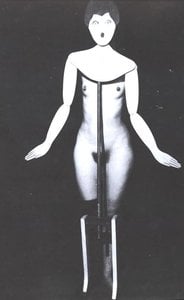
Una vida iluminada por las sombras
Emmanuel Radnitzky, conocido en todo el mundo como Man Ray, fue un espíritu inquieto que desafió cualquier categorización sencilla. Nacido en 1890 en Filadelfia, hijo de padres inmigrantes judíos rusos, su viaje desde aspirante a pintor hasta pionero de la fotografía y el cine encarna el radical fermento artístico de principios del siglo XX. El cambio de “Manny” Radnitzencia al enigmático “Man Ray” dice mucho de un artista decidido a forjar una nueva identidad, una libre de convenciones. La mudanza de su familia a la ciudad de Nueva York resultó crucial, exponiéndolo a la floreciente escena modernista e instilándole una fascinación de por vida por la experimentación. Sus primeras influencias incluyeron la vanguardia europea exhibida en la galería 291 de Alfred Stieglitz y el crudo realismo de la Escuela Ashcan, una mezcla que influiría sutilmente en su obra posterior. Aunque inicialmente se dedicó a la pintura, fue la fotografía lo que finalmente se convirtió en el medio más potente de Ray para explorar los límites de la percepción y la realidad. No se limitaba a capturar imágenes; estaba inventando nuevas formas de *ver*. Sus primeros esfuerzos artísticos estuvieron marcados por el deseo de romper con los estilos tradicionales, influenciados por su contacto tanto con el modernismo europeo como con la energía pura de la vida neoyorquina. El Centro Ferrer, con sus tendencias anarquistas y su énfasis en la libre expresión, resultó particularmente formativo durante este periodo, fomentando un entorno donde la experimentación no solo era alentada, sino esperada.
Dadá, Surrealismo y la búsqueda de lo imposible
La trayectoria artística de Man Ray dio un giro dramático con su encuentro con Marcel Duchamp en Nueva York alrededor de 1915. Este encuentro despertó una fascinación compartida por desafiar las nociones tradicionales del arte, conduciendo a exploraciones de los “ready-mades”: objetos manufacturados ordinarios elevados al estatus de obra de arte. Este espíritu rebelde impulsó a Ray hacia el corazón del movimiento Dada, una protesta antiarte nacida del desencanto de la Primera Guerra Mundial. En 1921, tomó la trascendental decisión de trasladarse a París, convirtiéndose en una figura central tanto en los círía Dadá como en los Surrealistas que florecían allí. Aunque nunca se alineó plenamente con ningún dogma artístico rígido, Ray abrazó la exploración surrealista de la mente inconsciente, los sueños y lo irracional. Su trabajo durante este periodo se caracteriza por una cualidad onírica, a menudo inquietante pero innegablemente cautivadora. No le interesaba representar la realidad tal como *es*, sino más bien como se *siente*: fragmentada, distorsionada e imbuida de significados ocultos. Este abrazo a lo subconsciente le permitió ir más allá de la mera representación hacia una exploración de los estados psicológicos y la resonancia emocional dentro de su arte. Sus colaboraciones con otros artistas surrealistas, como Salvador Dalí, consolidaron aún más su posición dentro del movimiento, aunque siempre mantuvo un grado de independencia en su visión artística.
Rayogramas y la alquimia de la luz
Quizás Man Ray sea más celebrado por su invención del “rayograma”, una técnica fotográfica sin cámara que descubrió casi por accidente. Estas imágenes —creadas al colocar objetos directamente sobre papel sensible a la luz y exponerlos a la iluminación— dieron como resultado composiciones etéreas y fantasmales que desafiaban la representación fotográfica convencional. El rayograma no era simplemente un método alternativo; era una declaración filosófica sobre la naturaleza de la propia fotografía. Al eliminar la lente de la cámara, Ray despojó la ilusión de objetividad, revelando la subjetividad inherente al medio. No eran representaciones *de* las cosas, sino rather impresiones directas *de* ellas, impregnadas de un sentido de misterio y de otro mundo. Más allá de los rayogramas, sus retratos fotográficos —particularmente aquellos de artistas como Lee Miller (quien se convertiría tanto en su musa como en su colaboradora)— son reconocidos por sus composiciones impactantes y su profundidad psicológica. Experimentó incansablemente con la solarización, las exposiciones múltiples y la manipulación en el cuarto oscuro, empujando los límites de lo que la fotografía podía lograr. La
solarización, en particular, se convirtió en una técnica distintiva, creando reversiones dramáticas de tono que añadían un elemento de extrañeza a sus retratos.
Más allá de la quietud: El cine y un legado perdurable
La curiosidad artística de Man Ray se extendió más allá de las imágenes fijas hacia el reino de la cinematografía. Sus películas experimentales, como *Le Retour à la Raison* (1923) y *L'Étoile de Mer* (1928), se caracterizarte por su imaginería surrealista, técnicas de montaje poco convencionales y el rechazo a las convenciones narrativas. No eran historias contadas en un sentido tradicional; eran poemas visuales, exploraciones de la forma, el ritmo y lo subconsciente. A menudo empleaba técnicas innovadoras como la animación stop-motion y la superposición para crear efectos desorientadores y oníricos. Aunque su obra cinematográfica fue relativamente pequeña en volumen, tuvo una influencia profunda en las generaciones posteriores de cineastas de vanguardia. A lo largo de su larga carrera, Man Ray continuó desafiando las normas artísticas, negándose a ser confinado por etiquetas o expectativas. Murió en París en 1976, dejando tras de sí un cuerpo de trabajo que continúa inspirando y provocando. Su legado reside no solo en sus innovaciones técnicas, sino también en su compromiso inquebrantable con la libertad artística y su búsqueda incansable de lo imposible: un verdadero pionero que alteró para siempre nuestra percepción del arte y la realidad.
Su influencia puede verse en diversas disciplinas, desde la fotografía y el cine contemporáneos hasta la moda y el diseño, demostrando el poder perdurable de su visión.
Una influencia continua
- Fotografía: Las técnicas de Man Ray, particularmente el rayograma y la solarización, siguen siendo exploradas por fotógrafos contemporáneos.
- Surrealismo: Sus contribuciones consolidaron el lenguaje visual del movimiento e inspiraron a innumerables artistas de diversas disciplinas.
- Cine Experimental: Su trabajo pionero en el cine sentó las bases para las futuras generaciones de cineastas de vanguardia.
- Fotografía de Moda: El enfoque innovador de Ray hacia el retrato y la composición influyó en el desarrollo de la fotografía de moda moderna.
El impacto de Man Ray se extiende mucho más allá de su propia vida, continuando su resonancia en artistas y audiencias actuales. Su voluntad de experimentar, su rechazo a la convención y su compromiso inquebrantable con la libertad artística sirven como una poderosa inspiración para aquellos que buscan expandir los límites de la expresión creativa. Sigue siendo una figura fundamental del arte del siglo XX, cuya obra continúa desafiando, provocando y deleitando.



 Ver en contexto
 Comprar pintura hecha a mano
 Enviar
 Compartir
 Detalles

 Descargar
 Similares
 Radiografía
 Presentación de diapositivas

 Ver más






































 La opción de vidrio solo está disponible en tamaños inferiores a 110 cm.