


x


 Comprar impresión Comprar imagen en alta resolución
 Enviar
 Details
 Añadir a favoritos
 Descargar
 Similares
 X-Ray
X-Ray
 Presentación de diapositivas
 Acrílico sobre lienzoArte de paredOtros
 1804
1804 20.0 x 24.0 cm
 Beethoven-Haus Bonn
Óleo sobre lienzo pintado a mano en el tamaño y marco de su elección, realizado por encargo por nuestros artistas.





























Elija entre nuestros tamaños predefinidos que respetan las proporciones originales de la obra.

Puede ingresar sus propias dimensiones para adaptarse a un marco o espacio específico. Si el tamaño seleccionado no coincide con las proporciones de la imagen original, recortaremos la obra o extenderemos la pintura con elementos adicionales pintados a mano. Se le enviará una maqueta digital para su aprobación antes de comenzar la producción.
Tenga en cuenta que la vista previa en pantalla no refleja el recorte o la extensión reales. Solo la maqueta mostrará con precisión la composición final.
Si bien existen tamaños personalizados, recomendamos seleccionar una dimensión de la lista predefinida para preservar las proporciones originales.
Entrega mundial () en 3-4 semanas en lugar de las 5 semanas estándar. (1 julio). Sin compromisos con la calidad.


Carta a Stephan von Breuning
Tamaño de la reproducción




1770 - 1827 , Alemania

Explore the powerful connection between art & civic duty! Discover how historical masterpieces and contemporary works reflect community values, inspire social change, and shape national identity. Learn more at WahooArt.

Explore the rich history of decorative arts with WahooArt.com. Discover key movements, influential artists, and expert guidance for building a discerning collection. Learn about ornamentation, functionality & cultural significance.

Explore the captivating history of equestrian art with WahooArt. Discover masterpieces from Velázquez to Van Dyck & learn about collecting these timeless works. Expert insights for discerning connoisseurs.

Explore the captivating history of the nude in art! From ancient Greece to modern masters, discover its evolving symbolism, techniques & enduring beauty. Expert insights for collectors and enthusiasts.
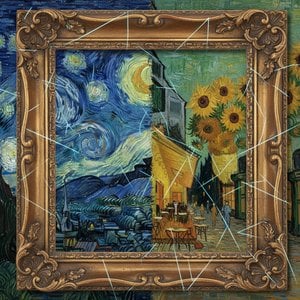
Descubre las 25 obras maestras de Van Gogh, desde 'La Noche Estrellada' hasta sus icónicos girasoles. Explora su vida, técnica impresionista y el profundo significado de cada cuadro. Reproducciones de arte de museo en WahooArt.com.


Manténgase al día con las últimas noticias de arte, ofertas exclusivas e ideas de decoración.
Cuéntanos sobre tu proyecto y nuestros expertos en arte te ofrecerán 3 sugerencias de obras personalizadas.
Permítenos seleccionar 3 opciones solo para ti – ¡Gratis!
 Compartir








 Leer más información
 La opción de vidrio solo está disponible en tamaños inferiores a 110 cm.


