Ver en contextoVer en contexto Vista previa en RAVista previa en RA Cambiar a Impresión Cambiar a ImpresiónCambiar a imagen digital Cambiar a imagen digital EnviarEnviar
DetallesDetalles Añadir a favoritos Añadir a favoritos DescargarDescargar SimilaresSimilares RadiografíaRadiografía Presentación de diapositivasPresentación de diapositivas EstadísticasEstadísticas

Flirt

Two women in bikinis engage in a dynamic and playful scene in Jorge de la Vega's 1968 painting Flirt, capturing the vibrant energy of mid-century Argentina and inviting you to explore this captivating masterpiece.

Jorge de la Vega (1930-1971) fue un pintor y compositor argentino del movimiento Nueva Figuración. Su obra, influenciada por el Pop Art, criticaba el consumismo y la sociedad.

Reproducción al óleo hecha a mano

Óleo sobre lienzo pintado a mano en el tamaño y marco de su elección, realizado por encargo por nuestros artistas. (Cambiar a Impresión Cambiar a ImpresiónCambiar a imagen digital Cambiar a imagen digital)

P118B $10
P118H $10
P118W $10
P438Z $10
P508JH $12
P508YH $12
P805H $10
P805Z $10
P919BZ $10
P919G $10
P919XJ $10
P959ZH $10
P968JZ $12
W106C $8
W218G $10
W218JH $8
W218Y $10
W307PJ $10
W316G $10
W316PJ $8
W316Y $10
W398PJ $8
W4111J $10
W500HY $15
W500JH $15
W692G $12
W849H $8
W940BG $15
W953PJ $8

Estándar
a medida
CM
INCH

Elija entre nuestros tamaños predefinidos que respetan las proporciones originales de la obra.

ancho
altura

Puede ingresar sus propias dimensiones para adaptarse a un marco o espacio específico. Si el tamaño seleccionado no coincide con las proporciones de la imagen original, recortaremos la obra o extenderemos la pintura con elementos adicionales pintados a mano. Se le enviará una maqueta digital para su aprobación antes de comenzar la producción.
Tenga en cuenta que la vista previa en pantalla no refleja el recorte o la extensión reales. Solo la maqueta mostrará con precisión la composición final.
Si bien existen tamaños personalizados, recomendamos seleccionar una dimensión de la lista predefinida para preservar las proporciones originales.

Ejemplos de lo que se puede personalizar: Reemplace el rostro con una foto del cliente; Agregue una mascota (por ejemplo, cambie un gato por un perro); Incluya un mensaje oculto en el fondo; Cambie el paisaje o los elementos del fondo.
Tras realizar el pedido, el equipo de WahooArt.com enviará un correo electrónico al cliente para solicitar instrucciones y proporcionarle una vista previa del boceto.

Envío a todo el mundo () en 3-4 semanas en lugar de las 5 semanas estándar. (12 septiembre). Sin comprometer la calidad.

why_choose_icon
Envío exprés gratuito a todo el mundo
why_choose_icon
Lienzo de lino de alta calidad
why_choose_icon
Seguro de envío total
why_choose_icon
Garantía de reembolso de impuestos aduaneros
why_choose_icon
Garantía de fidelidad cromática exacta
why_choose_icon
Política de devolución de 100 días (solo por defectos)
why_choose_icon
Garantía de devolución del 100% del dinero
why_choose_icon
Descuento por cantidad

Precio total

$ 272

reproduction

Flirt

Técnica de reproducción

Dimensiones de la reproducción

-

Precio total final

$ 272

Datos clave

  • Artist: Jorge de la Vega
  • Dimensions: 34 x 49 cm
  • Subject or theme: Two women in bikinis and other figures
  • Title: Flirt
  • Year: 1968

A Dance of Desire and Distortion

In the vibrant, restless landscape of late 1960s Latin American art, few works capture the electric tension of human interaction as vividly as Jorge de la Vega’s "Flirt." Created in 1968, this masterpiece serves as a window into a world where the boundaries between reality and surrealist distortion begin to blur. The painting centers on a captivating scene of social interplay, featuring two women in bikinis who command the viewer's gaze through their poised yet suggestive stances. One figure rests upon the ground, grounded and earthy, while her companion stands nearby, creating a dynamic compositional tension that pulls the eye across the canvas. As the title suggests, there is an undeniable sense of playfulness—a rhythmic, almost musical quality to their movements that hints at the unspoken dialogues of attraction and social performance.

Beyond the central duo, de la Vega weaves a complex tapestry of secondary figures, including a man kneeling in close proximity to the women. This layering of bodies creates a sense of a crowded, bustling environment, perhaps a sun-drenched social gathering where glances are exchanged and secrets are whispered. The composition is far from static; it breathes with a kinetic energy that reflects the artist's ability to capture the "seismographic" shifts of his era. For the collector or interior designer, this piece offers more than just a visual focal point; it provides a narrative depth that invites long periods of contemplation, making it an ideal centerpiece for spaces that value intellectual stimulation and avant-garde flair.

The Mastery of Neo-Figurative Expression

Technically, "Flirt" is a testament to de la Vega’s departure from the rigid constraints of his early architectural training. Moving away from geometric abstraction, he embraced a more fluid, neo-figurative style that allowed for greater emotional expression. The brushwork in this piece possesses a certain urgency, where colors and forms are applied with a confidence that mirrors the spontaneity of the subject matter itself. The artist utilizes a palette that balances the warmth of human skin tones with the vibrant, sometimes jarring accents characteristic of his mid-career evolution. This technique does not merely depict a scene; it reconstructs it, using texture and form to evoke the heat and the psychological weight of the moment.

The symbolism within "Flirt" operates on multiple levels. While at first glance it appears to be a celebration of leisure and summer vitality, there is an underlying layer of social commentary typical of de la Vega’s work. The way the figures are integrated into the background—sometimes merging with the environment or appearing slightly fragmented—suggests the instability of identity in a rapidly changing modern world. It captures the essence of 1968: a year of global upheaval, where the surface-level "flirtation" of society often masked deeper, more profound transformations. To possess a reproduction of this work is to hold a fragment of history, a piece that resonates with the spirit of rebellion and the beauty of metamorphosis.

An Essential Addition to the Sophisticated Interior

For those looking to curate an art collection or design a sophisticated living space, "Flirt" offers a unique opportunity to introduce a sense of movement and historical gravity. Its medium-sized format (34 x 49 cm) makes it incredibly versatile, capable of anchoring a gallery wall or serving as a singular, powerful statement in a minimalist study. The painting’s ability to evoke both nostalgia for the late sixties and a timeless fascination with human connection ensures that it remains relevant across changing decor trends.

Investing in a high-quality hand-painted reproduction of this work allows the admirer to experience the tactile soul of de la Vega's vision. The interplay of light, the deliberate distortion of form, and the evocative subject matter provide an emotional resonance that mass-produced prints simply cannot replicate. Whether you are drawn to its bold aesthetic or its complex psychological layers, "Flirt" stands as a profound testament to the enduring power of Argentine modernism, promising to inspire anyone who encounters its captivating, rhythmic beauty.


Biografía del artista

Jorge de la Vega: Vida y Arte

Primeros Años y Educación

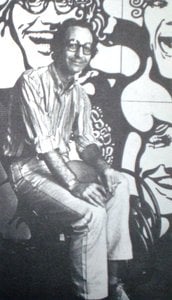
Jorge de la Vega (nacido el 27 de marzo de 1930 en Buenos Aires, Argentina – fallecido el 26 de agosto de 1971) fue un artista multifacético: pintor, artista gráfico, dibujante, cantante y compositor. Inicialmente cursó estudios de arquitectura en la Universidad de Buenos Aires desde 1948 hasta 1952. Sin embargo, finalmente abandonó este camino para dedicarse por completo a la pintura, convirtiéndose en gran medida en un artista autodidacta.

Desarrollo Artístico y Movimientos

Las primeras exploraciones artísticas de De la Vega abarcaron tanto estilos representacionales como abstractos geométricos durante la década de 1950. Un momento crucial en su carrera llegó con la formación del grupo Otra Figuración en 1961, junto a Luis Felipe Noé, Rómulo Macció y Ernesto Diera. Este movimiento, también conocido como Nueva Figuración, representó una reacción contra la abstracción geométrica predominante en el arte argentino de la época.

  • El grupo tenía como objetivo reintroducir la figura humana en su obra, trascendiendo la mera imitación y explorando las ansiedades existenciales individuales.
  • Un viaje a Europa con el grupo *Otra Figuración* resultó influyente, inspirando una nueva dirección artística.
  • Posteriormente, un período en los Estados Unidos lo expuso al floreciente movimiento del Pop Art en la ciudad de Nueva York, lo que impactó significativamente su estilo.

Temas Clave e Influencias

La obra de De la Vega se caracteriza por su compromiso crítico con la sociedad contemporánea. Abordó frecuentemente temas de consumismo, crítica social y las complejidades de la existencia humana. Su arte a menudo presentaba una perspectiva humorística oscura sobre la vida moderna.

  • Influencia del Pop Art: La imaginería audaz y el comentario encontrados en el Pop Art influyeron fuertemente en su lenguaje visual.
  • Comentario Social: Utilizó su arte para cuestionar las normas sociales y exponer las absurdidades de la cultura consumista.
  • Preocupaciones Existenciales: Subyacen a muchas de sus obras exploraciones de la identidad, la alienación y la condición humana.

Logros Destacados y Estilo Artístico

De la Vega desarrolló un estilo distintivo que mezclaba la abstracción con elementos figurativos, empleando a menudo imágenes inquietantes y líneas audaces. Sus pinturas frecuentemente presentan figuras distorsionadas, formas fragmentadas y objetos simbólicos. Era conocido por su estética renderizada digitalmente incluso antes de que el arte digital se popularizara.

  • Obras Notables: Algunas de sus piezas más reconocidas incluyen “Alabanza”, “Inténtalo Otra Vez”, “Flirteo”, “Juegos de Amor y Azar”, “Incubación” y la serie de obras titulada "Puzzle".

  • Cargo Docente: Fue profesor visitante/artista en Cornell University en 1965, gracias a una Beca Fulbright.

Transición a la Música y Vida Posterior

En los últimos años de su vida, De la Vega realizó un cambio significativo alejándose del arte visual, dedicándose a la música. Se convirtió en un popular cantautor, creando canciones de protesta que reflejaban su visión satírica y conciencia social.

Significado Histórico y Legado

Jorge de la Vega sigue siendo una figura importante en la historia del arte latinoamericano. Su participación con el movimiento *Nueva Figuración* ayudó a redefinir la expresión artística argentina durante un período de importantes cambios políticos y sociales. Su obra continúa resonando hoy por su comentario perspicaz sobre la sociedad moderna y su estilo visual único.

  • Sus obras se exhiben en museos de toda Argentina, así como internacionalmente: incluyendo el Phoenix Art Museum, el Museo de Arte Moderno en Río de Janeiro, Brasil, y el Museo de las Américas de la OEA en Washington, DC.
Jorge De La Vega

Jorge De La Vega

1930 - 1971 , Argentina

Datos clave

  • Artistas Influenciados: ['Nueva Figuración']
  • Artistas Que Influyeron: ['Pop Art artists']
  • Fecha De Fallecimiento: 26 de agosto de 1971
  • Fecha De Nacimiento: 27 de marzo de 1930
  • Lugar De Nacimiento: Buenos Aires, Argentina
  • Movimiento Artístico: Nueva Figuración, Pop Art
  • Nacionalidad: Argentino
  • Nombre Completo: Jorge de la Vega
  • Obras Notables:
    • Alabanza
    • Intento
    • Coqueteo