Ver en contextoVer en contexto Vista previa en RAVista previa en RA Comprar pintura hecha a mano Comprar pintura hecha a manoCambiar a imagen digital Cambiar a imagen digital EnviarEnviar
DetallesDetalles Añadir a favoritos Añadir a favoritos DescargarDescargar SimilaresSimilares RadiografíaRadiografía Presentación de diapositivasPresentación de diapositivas EstadísticasEstadísticas

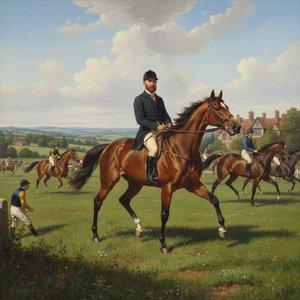
The Shooting Party

John Wootton's "The Shooting Party" (1740) captures a royal hunting scene with Prince Frederick, showcasing his skill & aristocratic leisure amidst stunning landscapes and detailed figures.

Descubre a John Wootton (1682-1764), pionero del arte ecuestre y paisajístico inglés. Retratos elegantes de caballos, influenciado a Gainsborough. ¡Un artista clave!

Giclée / Impresión de arte

Impresiones giclée o en lienzo de calidad de museo con producción rápida y opciones de acabado flexibles. (Comprar pintura hecha a mano Comprar pintura hecha a manoCambiar a imagen digital Cambiar a imagen digital)

P118B $10
P118H $10
P118W $10
P438Z $10
P508JH $12
P508YH $12
P805H $10
P805Z $10
P919BZ $10
P919G $10
P919XJ $10
P959ZH $10
P968JZ $12
W106C $8
W218G $10
W218JH $8
W218Y $10
W307PJ $10
W316G $10
W316PJ $8
W316Y $10
W398PJ $8
W4111J $10
W500HY $15
W500JH $15
W692G $12
W849H $8
W940BG $15
W953PJ $8

Estándar
a medida
CM
INCH

Elija entre nuestros tamaños predefinidos que respetan las proporciones originales de la obra.

ancho
altura

Puede introducir sus propias dimensiones para adaptarse a un marco o espacio específico. Si el tamaño seleccionado no coincide con las proporciones de la imagen original, recortaremos la obra de arte o extenderemos la imagen con un borde con efecto espejo o de color sólido. Se enviará una maqueta digital para su aprobación antes de que comience la producción.
Tenga en cuenta que la vista previa en pantalla no refleja el recorte o la extensión real. Solo la maqueta mostrará con precisión la composición final.
Aunque existen tamaños personalizados, recomendamos seleccionar una dimensión de la lista predefinida para preservar las proporciones originales.

Envío a todo el mundo () en 2 semanas en lugar de las 4/5 semanas estándar. (11 septiembre)

why_choose_icon
Envío exprés gratuito a todo el mundo
why_choose_icon
Lienzo de lino de alta calidad
why_choose_icon
Seguro de envío total
why_choose_icon
Garantía de reembolso de impuestos aduaneros
why_choose_icon
Garantía de fidelidad cromática exacta
why_choose_icon
Política de devolución de 100 días (solo por defectos)
why_choose_icon
Garantía de devolución del 100% del dinero
why_choose_icon
Descuento por cantidad

Precio total

$ 68

reproduction

The Shooting Party

Giclée / Impresión de arte

Dimensiones de la reproducción

-

Precio total final

$ 68

Datos clave

  • Medium: Oil on canvas
  • Movement: British Sporting Art
  • Artist: John Wootton
  • Year: 1740
  • Influences:
    • Poussin
    • Dughet
  • Artistic style: Rococo, Equestrian
  • Notable elements: Hunting scene, figures

A Sporting Masterpiece: John Wootton’s “The Shooting Party”

John Wootton's "The Shooting Party," painted around 1740, isn’t merely a depiction of a hunting scene; it’s a meticulously crafted tableau of aristocratic leisure and the burgeoning social dynamics of Georgian England. This remarkable work, now housed in prestigious collections worldwide, offers a captivating glimpse into a world of privilege, tradition, and subtle power plays, all rendered with an unparalleled sensitivity to light, texture, and human character.

The painting immediately draws the eye with its carefully orchestrated composition. A group of gentlemen – identifiable as Frederick, Prince of Wales; Horace Walpole, the famed writer; and the Duke of Queensberry – are gathered in a richly detailed forest setting. Wootton’s skill lies not just in capturing their likenesses but in conveying their personalities through posture, expression, and the way they interact with one another. The Prince of Wales, seated prominently at the center, exudes an air of authority and relaxed enjoyment, while Walpole, to his left, appears more contemplative, perhaps observing the unfolding social dynamics with a critical eye. The inclusion of two loaders, meticulously positioned in the background, subtly underscores the activity that dominates the scene – the pursuit of game.

A Portrait of Georgian Aristocracy

Wootton’s work firmly establishes him as a pioneer of sporting art, a genre previously dominated by Dutch and Flemish masters. He moved beyond simple depictions of hunting to create sophisticated conversations pieces, imbued with narrative depth and psychological insight. “The Shooting Party” exemplifies this shift; it's not simply about the act of shooting but about the relationships between the participants, their social standing, and the unspoken tensions that simmer beneath the surface of polite conversation.

The figures are dressed in the height of fashionable attire – velvet jackets, embroidered waistcoats, feathered hats – reflecting the wealth and status of the group. The details are exquisite: the Prince’s coronet and feathers on the frame, the hounds' heads adorning the base rail, all speak to a deliberate effort to showcase both aristocratic taste and the bounty of the hunt. Wootton’s meticulous attention to detail extends to the landscape itself, which is rendered with atmospheric perspective and a masterful understanding of light and shadow, creating a sense of depth and realism that anchors the scene.

Technique and Style: A Blend of Influences

Wootton's artistic training under Jan Wyck provided him with a solid foundation in draftsmanship and painting techniques. However, he quickly developed his own distinctive style, drawing inspiration from a diverse range of sources. The influence of Poussin is evident in the carefully structured composition and the use of light to create a sense of drama and atmosphere. Gaspard Dughet’s landscapes are reflected in the atmospheric perspective and the subtle modeling of forms, while Claude Lorrain's emphasis on natural beauty contributes to the painting's overall elegance.

The brushwork is remarkably smooth and refined, indicative of Wootton’s mastery of oil paint. He employs a layering technique, building up color gradually to create rich textures and luminous effects. The use of light is particularly noteworthy – it illuminates the faces of the figures, highlighting their expressions and creating a sense of warmth and intimacy. The subtle gradations of tone contribute to the painting's overall realism and depth.

Symbolism and Emotional Resonance

Beyond its surface depiction of a hunting party, “The Shooting Party” is rich in symbolism. The hunt itself represents more than just sport; it’s a ritual that reinforces social hierarchies, celebrates masculine prowess, and provides an outlet for aristocratic leisure. The subtle tensions between the figures – Walpole's contemplative gaze, the Prince’s relaxed authority – hint at underlying rivalries and power struggles.

The painting evokes a sense of nostalgia for a bygone era, a time when aristocratic life was characterized by elegance, tradition, and a certain degree of social formality. Yet, there is also an undercurrent of melancholy, suggesting the decline of such a world. “The Shooting Party” captures not only a specific moment in time but also the broader cultural shifts that were transforming England during the Georgian period. It’s a timeless masterpiece that continues to resonate with viewers today, offering a window into the lives and aspirations of a privileged elite.


Biografía del artista

John Wootton: Pionero del Arte Ecuestre y Paisajístico

  • Nacido: c. 1686, Snitterfield, Warwickshire, Reino Unido
  • Fallecido: 13 de noviembre de 1764, Londres, Inglaterra
  • Conocido Por: Pinturas de caballos, paisajes, escenas deportivas, ilustraciones

Primeros Años y Formación

  • John Wootton nació en Snitterfield, cerca de Stratford-upon-Avon, Warwickshire. Se cree que pudo haber servido como paje para la familia Beaufort desde temprana edad.
  • Probablemente recibió su formación artística inicial bajo Jan Wyck durante la década de 1690. Esta instrucción fundamental le proporcionó habilidades esenciales en dibujo y técnicas pictóricas.
  • Su obra datada más antigua conocida, "Bonny Black" (1711), demuestra una aptitud temprana para el retrato equino, mostrando una habilidad en desarrollo para capturar el parecido y el carácter de los caballos.

Carrera y Desarrollo Artístico

  • Wootton se estableció en Londres en 1706, ganando rápidamente reconocimiento por sus representaciones de caballos, particularmente aquellos asociados con la escena de carreras de Newmarket.
  • Se convirtió en una figura destacada dentro de los círculos artísticos de su tiempo, suscribiéndose a la primera Academia Inglesa de Pintura y Dibujo en 1711 y sirviendo más tarde como administrador del Virtuosi Club of St Lukes en 1717.
  • Su especialización en temas equinos le trajo un considerable éxito y patrocinio de miembros de alto rango de la sociedad británica, incluyendo a Jorge II y Federico, Príncipe de Gales.
  • Más allá de los retratos ecuestres, Wootton contribuyó significativamente a la pintura británica a través de su introducción del paisaje ideal. Influenciado por artistas como Gaspard Dughet (también conocido como Gaspar van Wittel), incorporó elementos clásicos en sus paisajes, ofreciendo una alternativa a los estilos predominantes holandeses y flamencos. Esta influencia se extendió a posteriores artistas británicos como Thomas Gainsborough.

Obras Principales y Estilo Artístico

  • Retratos Ecuestres: Wootton es recordado principalmente por sus detallados y expresivos retratos de caballos, capturando sus individualidades y características físicas con notable precisión. "Bonny Black" ejemplifica esta habilidad.
  • Escenas Deportivas: Sus pinturas a menudo representaban escenas de caza y actividades ecuestres, reflejando la popularidad de estos pasatiempos entre la aristocracia británica. Estas obras frecuentemente incluían piezas de conversación con jinetes y perros en entornos pintorescos.
  • Paisajes: Los paisajes de Wootton, aunque a veces eclipsados por sus pinturas de animales, demuestran una comprensión refinada de la perspectiva y la composición, incorporando elementos clásicos y efectos atmosféricos.
  • Estilo: Su estilo se caracteriza por el meticuloso detalle, el renderizado realista de los animales y una armoniosa combinación de pintura de paisajes y figuras. Combinó hábilmente la observación con la representación idealizada, creando obras que eran tanto estéticamente agradables como reflejo de la cultura deportiva de su tiempo.

Legado y Significado Histórico

  • Aunque posteriormente eclipsado en popularidad por George Stubbs, quien poseía una mayor maestría técnica en la anatomía animal, John Wootton sigue siendo una figura significativa en la historia del arte británico.
  • Es reconocido como un pionero del arte deportivo, estableciendo un género que sería desarrollado aún más por artistas posteriores.
  • Su introducción del estilo de paisaje ideal tuvo un impacto duradero en la pintura británica, influyendo en generaciones de artistas y contribuyendo al desarrollo de una estética distintivamente británica.
  • Las obras de Wootton se conservan en prestigiosas colecciones de todo el mundo, incluyendo la Tate Gallery (Londres), el Virginia Museum of Fine Arts (Richmond) y el Yale Center for British Art, asegurando que su legado continúe siendo apreciado por los entusiastas del arte hoy en día.
John Wootton

John Wootton

1682 - 1764 , Reino Unido

Datos clave

  • Artistas Que Influyeron:
    • Jan Wyck
    • Gaspard Dughet
  • Fecha De Fallecimiento: 1764
  • Fecha De Nacimiento: c. 1686
  • Influenciado A Artistas: ['Thomas Gainsborough']
  • Lugar De Nacimiento: Snitterfield, Reino Unido
  • Movimiento Artístico: Arte ecuestre, paisaje
  • Nacionalidad: Británico
  • Nombre Completo: John Wootton
  • Obras Notables: ['Bonny Black (1711)']
Explore obras de arte organizadas por temas, estilos y características.