Vende tu arte
x
Vista previaVista previa Vista previa en RAVista previa en RA Cambiar a pintura hecha a mano Cambiar a pintura hecha a manoCambiar a imagen Cambiar a imagen CompartirCompartir
Ver detallesVer detalles Añadir a favoritos Añadir a favoritos DescargarDescargar Ver similaresVer similares RadiografíaRadiografía Presentación de diapositivasPresentación de diapositivas

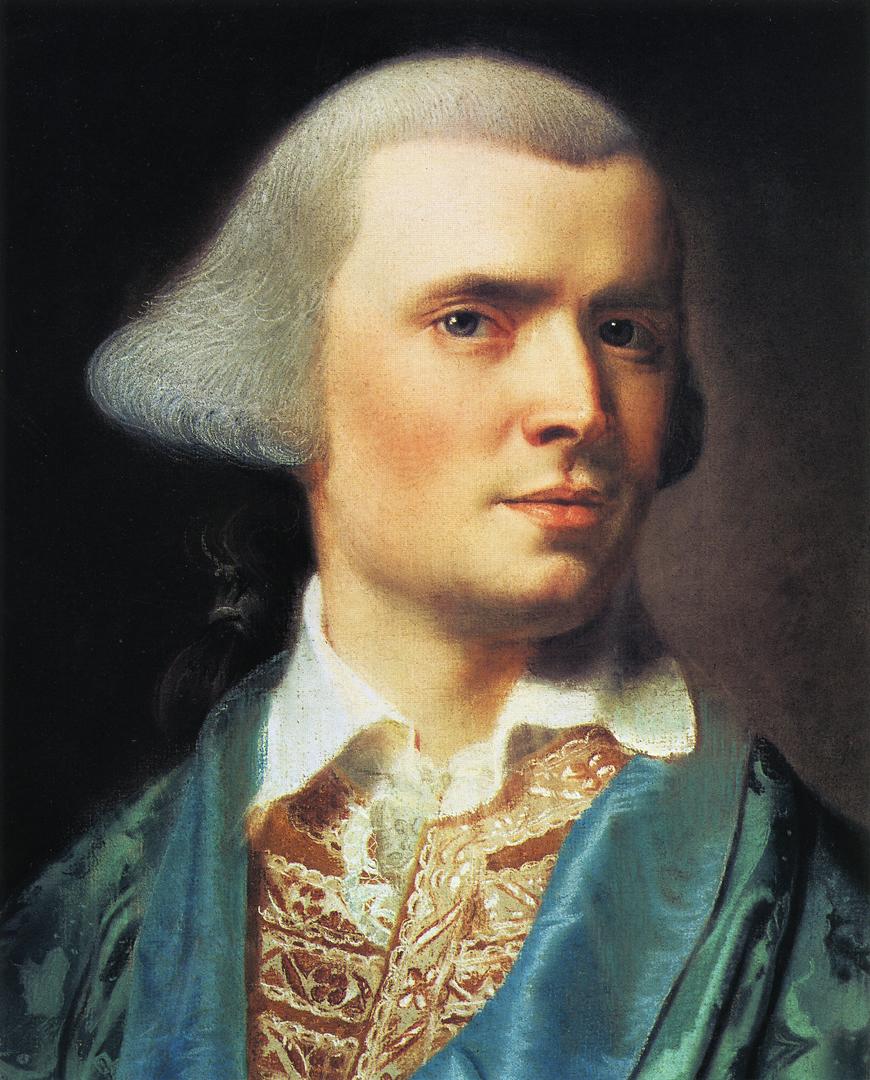
George Boone Roupell

Admire John Singleton Copley’s ‘George Boone Roupell,’ a stunning 1779 portrait capturing elegance and sophistication. Explore colonial art & Copley's masterful realism in this timeless piece.

Descubre a John Singleton Copley (1738-1815), pionero de la pintura angloamericana, famoso por sus detallados retratos coloniales e innovadoras escenas de la vida cotidiana. ¡Explora su legado!

Giclée / Impresión de arte

Impresiones giclée o en lienzo de calidad de museo con producción rápida y opciones de acabado flexibles. (Cambiar a pintura hecha a mano Cambiar a pintura hecha a manoCambiar a imagen Cambiar a imagen)

P118B $10
P118H $10
P118W $10
P438Z $10
P508JH $12
P508YH $12
P805H $10
P805Z $10
P919BZ $10
P919G $10
P919XJ $10
P959ZH $10
P968JZ $12
W106C $8
W218G $10
W218JH $8
W218Y $10
W307PJ $10
W316G $10
W316PJ $8
W316Y $10
W398PJ $8
W4111J $10
W500HY $15
W500JH $15
W692G $12
W849H $8
W940BG $15
W953PJ $8

Standard
custom
CM
INCH

Elija entre nuestros tamaños predefinidos que respetan las proporciones originales de la obra.

ancho
altura

Puede introducir sus propias dimensiones para adaptarse a un marco o espacio específico. Si el tamaño seleccionado no coincide con las proporciones de la imagen original, recortaremos la obra de arte o extenderemos la imagen con un borde con efecto espejo o de color sólido. Se enviará una maqueta digital para su aprobación antes de que comience la producción.
Tenga en cuenta que la vista previa en pantalla no refleja el recorte o la extensión real. Solo la maqueta mostrará con precisión la composición final.
Aunque existen tamaños personalizados, recomendamos seleccionar una dimensión de la lista predefinida para preservar las proporciones originales.

Envío a todo el mundo () en 2 semanas en lugar de las 4/5 semanas estándar. (7 agosto)

why_choose_icon
Envío exprés gratuito a todo el mundo
why_choose_icon
Lienzo de lino de alta calidad
why_choose_icon
Seguro de envío completo
why_choose_icon
Garantía de reembolso de aranceles aduaneros
why_choose_icon
Garantía de fidelidad cromática exacta
why_choose_icon
Política de devolución de 60 días (solo por defectos)
why_choose_icon
Garantía de devolución del 100% del dinero
why_choose_icon
Oferta por volumen

Precio total

$ 68

reproduction

George Boone Roupell

Giclée / Impresión de arte

Tamaño de la reproducción

-

Precio total

$ 68

Datos clave

  • Notable elements: Detailed portraiture
  • Subject or theme: Portrait of a man
  • Title: George Boone Roupell
  • Year: 1779
  • Medium: Oil on canvas
  • Movement: Neoclassical
  • Location: NMAAHC, Smithsonian

Descripción de la pieza

A Portrait of Dignified Reserve: Unveiling George Boone Roupell

John Singleton Copley’s “George Boone Roupell,” painted in 1779, isn't merely a likeness; it’s a carefully constructed tableau of colonial identity and restrained elegance. The portrait captures a man – George Boone Roupell himself – standing on what appears to be a rocky precipice, a subtle yet powerful landscape serving as the backdrop for his presence. Copley, a pivotal figure bridging the artistic worlds of England and America, masterfully employed his signature technique: an almost photographic realism combined with a keen understanding of light and shadow, creating a sense of palpable depth and immediacy. The painting’s strength lies not just in its accurate depiction of Roupell's features – the crispness of his jawline, the thoughtful cast of his eyes – but also in the subtle suggestion of character conveyed through posture and expression.

Self-Portrait by John Singleton Copley

The composition itself is meticulously balanced. Roupell’s dark clothing, a rich burgundy hue, anchors the figure against the lighter tones of the rocky terrain and the distant trees. The stark white stockings and black shoes provide a striking contrast, emphasizing his formality and status within colonial society. Notice how Copley uses light to sculpt Roupell's form – highlighting the texture of his coat, the curve of his hand resting on his walking stick, and the subtle shadows that define his face. This attention to detail speaks volumes about Copley’s dedication to capturing not just appearance but also the very essence of his subject.

The Context of Colonial Portraiture

To fully appreciate “George Boone Roupell,” it's essential to understand the broader context of portrait painting during the late 18th century in America. Portraits weren’t simply decorative; they were powerful statements of wealth, status, and social standing. Commissioning a portrait was an investment – a visible declaration of success and a way to secure one’s legacy. Copley, operating within this framework, skillfully navigated the expectations of his wealthy patrons while simultaneously forging a distinctly American artistic style. His work reflects both the influence of European traditions, particularly those of Sir Thomas Lawrence in England, and a growing desire to represent subjects authentically – capturing not just their outward appearance but also their inner character.

The painting’s setting—a rocky hillside—adds another layer of meaning. It suggests a connection to the land, a grounding force amidst the complexities of colonial life. The distant trees hint at the vastness and potential of America, while the rugged terrain speaks to resilience and fortitude – qualities valued in the early settlers.

Symbolism and Emotional Resonance

Beyond its technical brilliance, “George Boone Roupell” resonates with a quiet dignity and understated confidence. Roupell’s gaze is direct yet not confrontational; his posture suggests self-assuredness without arrogance. The walking stick, a common symbol of authority and experience, reinforces this impression. Copley doesn't offer us a dramatic or theatrical portrait; instead, he presents a carefully observed study of a man – a man of his time, embodying the values and aspirations of colonial society.

The painting’s emotional impact is subtle yet profound. It evokes a sense of stability, tradition, and quiet strength—qualities that are often associated with the early American experience. It's a portrait that invites contemplation, prompting us to consider not just the appearance of George Boone Roupell but also the story he represents.

A Legacy in Reproduction

Reproductions of “George Boone Roupell” offer an accessible way to appreciate Copley’s artistry and the historical context of this remarkable portrait. Whether displayed as a fine art print, canvas reproduction, or even incorporated into interior design schemes, this painting continues to captivate viewers with its technical mastery, nuanced symbolism, and enduring appeal. It serves as a poignant reminder of a pivotal moment in American history—a time of transformation, ambition, and the forging of a new national identity.


Biografía del artista

Un Pionero de la Pintura Angloamericana (1738-1815)

John Singleton Copley, un renombrado pintor angloamericano, dejó una huella imborrable en el mundo del arte con sus cautivadores retratos y paisajes. Nacido en Boston, Massachusetts, para Richard y Mary Singleton Copley, ambos de ascendencia angloirlandesa, el viaje artístico de John es un testimonio de su talento innato y dedicación.

Vida Temprana y Formación

Aunque hay información limitada sobre la educación formal de John, se cree que fue en gran medida autodidacta, con una inclinación hacia el arte desde temprana edad. Su padrastro, Peter Pelham, un grabador y pintor, pudo haberle brindado alguna orientación, pero la mayor parte de su desarrollo artístico puede atribuirse a su propia perseverancia.

Contribuciones Artísticas

El trabajo de John Singleton Copley se caracteriza por:
  • Retratismo: Sus retratos de figuras influyentes en Nueva Inglaterra colonial son notables por su atención al detalle y la incorporación de artefactos que reflejan las vidas de los sujetos.
  • Estilo Innovador: La tendencia de Copley a representar a sujetos de clase media con un enfoque en sus vidas cotidianas fue una desviación del retrato tradicional de su época.
  • Amplio Rango Artístico: Desde autorretratos hasta escenas históricas, la obra de John muestra su versatilidad y habilidad para capturar una amplia gama de temas.

Obras Notables y su Significado

Algunas de las obras más notables de John Singleton Copley incluyen:

Legado e Influencia

El impacto de John Singleton Copley en el mundo del arte es innegable. Su enfoque innovador al retrato y sus contribuciones a la pintura angloamericana han influenciado a generaciones de artistas. Para una comprensión más profunda del trabajo de John y su significado, visite la página de John Singleton Copley en WahooArt, que presenta una extensa colección de sus obras de arte.

Lecturas Adicionales

Para obtener más información sobre la historia de la pintura y su evolución, consulte Wikipedia's historia de la pintura. Para explorar la vasta colección de WahooArt, que incluye obras de varios períodos y estilos, navegue por Burghley House (Stamford, Estados Unidos) - Un tesoro oculto del arte americano y Descubriendo las obras de arte del St Hilda's College, Oxford, Reino Unido.

John Singleton Copley

John Singleton Copley

1738 - 1815 , Reino Unido

Datos clave

  • Artistas Influyentes: ['Joseph Blackburn']
  • Estilo Artístico: Retrato, historicismo
  • Fecha De Muerte: 9 de septiembre de 1815
  • Fecha De Nacimiento: 3 de julio de 1738
  • Influencia En Artistas: Generaciones de artistas
  • Lugar De Nacimiento: Boston, Reino Unido
  • Nacionalidad: Anglo-americano
  • Nombre Completo: John Singleton Copley
  • Obras Notables:
    • El colapso del Conde de Chatham
    • Sr. y Sra. Ralph Izard
    • Watson y el tiburón
Explore obras de arte organizadas por temas, estilos y características.