x
Ver en contextoVer en contexto Vista previa en RAVista previa en RA Comprar pintura hecha a mano Comprar pintura hecha a manoComprar imagen Comprar imagen EnviarEnviar
DetallesDetalles Añadir a favoritos Añadir a favoritos DescargarDescargar SimilaresSimilares RadiografíaRadiografía Presentación de diapositivasPresentación de diapositivas

The Crucifixion

Experience John Kyffin Williams’ powerful 'Crucifixion' (1960). This evocative oil painting captures intense emotion through fragmented forms & dark tones, reflecting Welsh landscape art.

Sir John Kyffin Williams (1918-2006): El artista galés que capturó la esencia de su tierra con paisajes evocadores y una técnica única de impasto. ¡Descubre su obra!

Giclée / Impresión de arte

Impresiones giclée o en lienzo de calidad de museo con producción rápida y opciones de acabado flexibles. (Comprar pintura hecha a mano Comprar pintura hecha a manoComprar imagen Comprar imagen)

P118B $10
P118H $10
P118W $10
P438Z $10
P508JH $12
P508YH $12
P805H $10
P805Z $10
P919BZ $10
P919G $10
P919XJ $10
P959ZH $10
P968JZ $12
W106C $8
W218G $10
W218JH $8
W218Y $10
W307PJ $10
W316G $10
W316PJ $8
W316Y $10
W398PJ $8
W4111J $10
W500HY $15
W500JH $15
W692G $12
W849H $8
W940BG $15
W953PJ $8

Estándar
a medida
CM
INCH

Elija entre nuestros tamaños predefinidos que respetan las proporciones originales de la obra.

ancho
altura

Puede introducir sus propias dimensiones para adaptarse a un marco o espacio específico. Si el tamaño seleccionado no coincide con las proporciones de la imagen original, recortaremos la obra de arte o extenderemos la imagen con un borde con efecto espejo o de color sólido. Se enviará una maqueta digital para su aprobación antes de que comience la producción.
Tenga en cuenta que la vista previa en pantalla no refleja el recorte o la extensión real. Solo la maqueta mostrará con precisión la composición final.
Aunque existen tamaños personalizados, recomendamos seleccionar una dimensión de la lista predefinida para preservar las proporciones originales.

Envío a todo el mundo () en 2 semanas en lugar de las 4/5 semanas estándar. (2 septiembre)

why_choose_icon
Envío exprés gratuito a todo el mundo
why_choose_icon
Lienzo de lino de alta calidad
why_choose_icon
Seguro de envío total
why_choose_icon
Garantía de reembolso de impuestos aduaneros
why_choose_icon
Garantía de fidelidad cromática exacta
why_choose_icon
Política de devolución de 60 días (solo por defectos)
why_choose_icon
Garantía de devolución del 100% del dinero
why_choose_icon
Descuento por cantidad

Precio total

$ 68

reproduction

The Crucifixion

Giclée / Impresión de arte

Dimensiones de la reproducción

-

Precio total final

$ 68

Datos clave

  • Artistic style: Abstract Expressionism
  • Subject or theme: Religious suffering
  • Location: Oriel Plas Glyn y Weddw
  • Influences: Waterhouse
  • Title: The Crucifixion
  • Movement: Welsh Landscape
  • Notable elements: Impasto technique

Test de arte

Cada pregunta tiene una única respuesta correcta.

Pregunta 1:
What is the primary subject depicted in John Kyffin Williams’ ‘The Crucifixion’?
Pregunta 2:
In what year was ‘The Crucifixion’ painted?
Pregunta 3:
What artistic movement is most closely associated with John Kyffin Williams’ style, as evidenced by the use of thick impasto?
Pregunta 4:
Where is ‘The Crucifixion’ currently housed?
Pregunta 5:
What is a key characteristic of Kyffin Williams’ use of color in this painting?

A Vision of Suffering and Serenity: Kyffin Williams’ “The Crucifixion”

Sir John “Kyffin” Williams, a name inextricably linked with the soul of Wales, wasn't merely a painter; he was a translator of landscapes, emotions, and the very spirit of his homeland. Born in Llangefni, Anglesey, in 1918, his life unfolded against the backdrop of a nation grappling with identity and heritage – a tension that profoundly shaped his artistic vision. While often categorized as a landscape artist, Williams’ oeuvre reveals a deeply personal engagement with themes of faith, mortality, and the enduring beauty found within hardship. “The Crucifixion,” painted in 1960, exemplifies this complex interplay, offering not a literal depiction of the biblical event but rather an intensely felt meditation on suffering, sacrifice, and ultimately, a quiet sense of serenity.

A Fragmented Landscape, A Distorted Figure

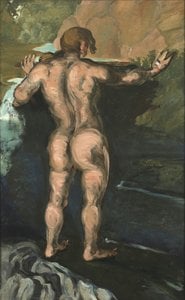
The painting immediately commands attention with its unconventional composition. It’s not a grand, theatrical scene; instead, it presents a fragmented landscape dominated by a dark, brooding sky – a palpable representation of the emotional weight of the subject matter. The central figure of Christ on the cross is rendered in an almost abstracted manner, his form partially obscured by the surrounding elements. Williams employs a bold, impasto technique, layering thick strokes of oil paint to create a textured surface that seems to vibrate with energy. This physicality mirrors the intensity of the scene, conveying both the violence and the profound sorrow associated with the crucifixion. The use of muted tones – deep blues, browns, and greys – contributes to the painting’s somber mood, while subtle hints of light suggest a glimmer of hope amidst the darkness.

Technique and Influences: Bridging Abstraction and Tradition

Williams' distinctive style evolved over his long career, drawing inspiration from both traditional landscape painting and emerging abstract expressionism. He was deeply influenced by artists like Piero della Francesca, whose use of light and shadow to create a sense of depth and drama is evident in “The Crucifixion.” However, Williams departs significantly from the Renaissance master’s idealized forms, opting for a more fragmented and emotionally charged approach. The influence of abstract expressionism can be seen in the painting's loose brushwork and emphasis on conveying feeling rather than precise representation. He was also heavily influenced by his time spent in Patagonia, where he painted dramatic landscapes under the intense light of the Southern Hemisphere, which informed his use of color and texture.

Symbolism and Spiritual Depth

Beyond its formal qualities, “The Crucifixion” is rich in symbolic meaning. The fragmented landscape can be interpreted as a reflection of Christ’s brokenness and suffering, while the dark sky represents the overwhelming weight of sin and death. Yet, despite the bleakness of the scene, there's an underlying sense of peace and acceptance. Some art historians suggest that Williams was exploring themes of redemption and forgiveness through this work. The painting isn’t about glorifying violence; it’s about confronting the uncomfortable realities of human existence and finding solace in faith. The absence of explicit religious iconography – no halo, no crown of thorns – invites viewers to engage with the painting on a deeply personal level, prompting contemplation about the nature of suffering, sacrifice, and the possibility of transcendence.

A Legacy of Welsh Art: Kyffin Williams’ Enduring Impact

Sir John Kyffin Williams remains one of Wales' most celebrated artists, his work profoundly shaping the landscape of modern British art. His ability to capture the essence of the Welsh countryside while simultaneously exploring complex emotional and spiritual themes is a testament to his artistic genius. “The Crucifixion” stands as a powerful example of this talent, offering viewers a glimpse into the soul of a man deeply connected to his land and his faith. Today, his paintings are exhibited in galleries across Wales and beyond, ensuring that his legacy continues to inspire and move audiences for generations to come. Reproductions of this evocative piece offer a tangible connection to Williams’ profound vision, allowing others to experience the quiet power of his artistic expression.

Biografía del artista

John Kyffin Williams: Una Voz Definitoria de la Pintura del Paisaje Galés

  • Nacido: Llangefni, Reino Unido (1918)
  • Fallecido: 2006
  • Nacionalidad: Galés

Sir John "Kyffin" Williams, KBE, RA, se erige como una figura monumental en el arte galés del siglo XX. Ampliamente considerado como el artista definitorio de Gales durante su vida, los evocadores paisajes de Williams capturaron la esencia del campo galés con un estilo distintivo y una profunda profundidad emocional. Vivió en Pwllfanogl, Llanfairpwll, en la Isla de Anglesey, permaneciendo profundamente conectado a su tierra natal a lo largo de su vida.

Primeros Años e Influencias

  • Antecedentes Familiares: Nacido en una antigua familia propietaria de tierras de Anglesey, el padre de Williams era gerente de banco. La naturaleza emocionalmente reservada de su madre y su aparente aversión al idioma galés impactaron significativamente sus primeros años.
  • Educación: Asistió a Moreton Hall School y Shrewsbury School, donde contrajo encefalitis por polio, lo que provocó epilepsia, una condición que más tarde consideró "mi mayor fortuna" ya que lo impulsó hacia el arte.
  • Servicio Militar y Despertar Artístico: Sirvió brevemente en el 6º Batallón del Royal Welch Fusiliers antes de ser dado de baja debido a su afección médica. Un fallo en el examen médico del ejército británico llevó al consejo de su médico para que persiguiera el arte por razones de salud.
  • Primera Inspiración: Descubrió una profunda conexión con el arte a través de las obras de Piero della Francesca, lo que provocó una respuesta emocional y moldeó su visión artística.
  • Formación Formal: Se matriculó en la Slade School of Fine Art de Londres (reubicada en Oxford), graduándose con el Premio Slade Portrait tras tres años.

Carrera y Desarrollo Artístico

  • Trayectoria Docente: Williams dedicó una parte importante de su carrera a enseñar arte, sirviendo como maestro de arte senior en Highgate School de Londres desde 1944 hasta 1973. Entre sus alumnos destacados se encuentran Sir Martin Gilbert, los Royal Academicians Anthony Green y Patrick Procktor, y los compositores John Tavener y John Rutter.
  • Experiencia Patagónica: Una beca de Winston Churchill en 1968 le permitió estudiar y pintar en Y Wladfa (el asentamiento galés) en Patagonia. Esta experiencia alteró drásticamente su paleta y dio como resultado una sustancial colección de obras que representan el paisaje patagónico.
  • Técnica Distintiva: Williams desarrolló una técnica distintiva utilizando pintura al óleo gruesa aplicada con un cuchillo de paleta, creando superficies texturizadas y audaces efectos de impasto que transmitían la aspereza y la atmósfera del campo galés.
  • Tema: Principalmente conocido como pintor de paisajes, también destacó en el retrato y demostró talento para el dibujo animado. Sus obras se clasifican ampliamente en tres temas: Venecia, Patagonia y Gales (la sección más grande).

Logros y Reconocimientos Principales

  • Exposiciones: Celebró su primera exposición individual en una galería privada de Londres en 1949. Exposiciones posteriores incluyeron la Howard Roberts Gallery en Cardiff y el Museo Nacional de Gales.
  • Afiliación a la Royal Academy: Fue elegido miembro de la Royal Academy en 1974, consolidando su posición dentro del establecimiento artístico británico.
  • Premios y Honores: Recibió numerosas felicitaciones a lo largo de su carrera, incluido un OBE en 1982 y un KBE en 1999 por servicios a las artes en Gales. También recibió el Glyndŵr Award en 1995.
  • Premio Kyffin Williams Drawing: Establecido en 2009, este premio continúa reconociendo el talento emergente en el dibujo.
  • Galería Oriel Kyffin Williams: Una exposición permanente dedicada a su obra se inauguró en Oriel Ynys Môn en Llangefni, Anglesey, en 2008.

Legado y Significado Histórico

  • Artista Galés Definitorio: Sir John Kyffin Williams es ampliamente considerado como el artista definitorio de Gales durante el siglo XX, capturando sus paisajes y espíritu con una habilidad y emoción inigualables.
  • Embajador Cultural: Bryn Terfel lo describió como "el embajador más destacado de Gales en las artes visuales", destacando su importante contribución a la cultura galesa.

  • Influencia en Artistas Posteriores: Su carrera docente fomentó una generación de artistas talentosos, consolidando aún más su legado dentro del mundo del arte.

  • Colección de la Biblioteca Nacional de Gales: La Biblioteca Nacional de Gales alberga una sustancial colección de sus obras y documentos, lo que garantiza que su contribución artística se preserve para las generaciones futuras.
  • Popularidad Continua: Sus pinturas siguen siendo muy solicitadas por los coleccionistas y continúan inspirando la apreciación por la belleza y el carácter del paisaje galés.
John Kyffin Williams

John Kyffin Williams

1918 - 2006 , Reino Unido

Datos clave

  • Artistas Que Influyeron: ['Piero della Francesca']
  • Fecha De Fallecimiento: 2006-09-01
  • Fecha De Nacimiento: 1918-05-09
  • Lugar De Nacimiento: Llangefni, Reino Unido
  • Movimiento Artístico: Pintura de paisajes, Impasto
  • Nacionalidad: Galés
  • Nombre Completo: Sir John Kyffin Williams
  • Obras Notables: ['Figura y Montañas (verso)']
Explore obras de arte organizadas por temas, estilos y características.