Asesoría de arte gratuita

x
Comprar impresión Comprar impresiónEncargar reproducción Encargar reproducción EnviarEnviar
DetallesDetalles Añadir a favoritos Añadir a favoritos DescargarDescargar SimilaresSimilares Rayos XRayos X Presentación de diapositivasPresentación de diapositivas

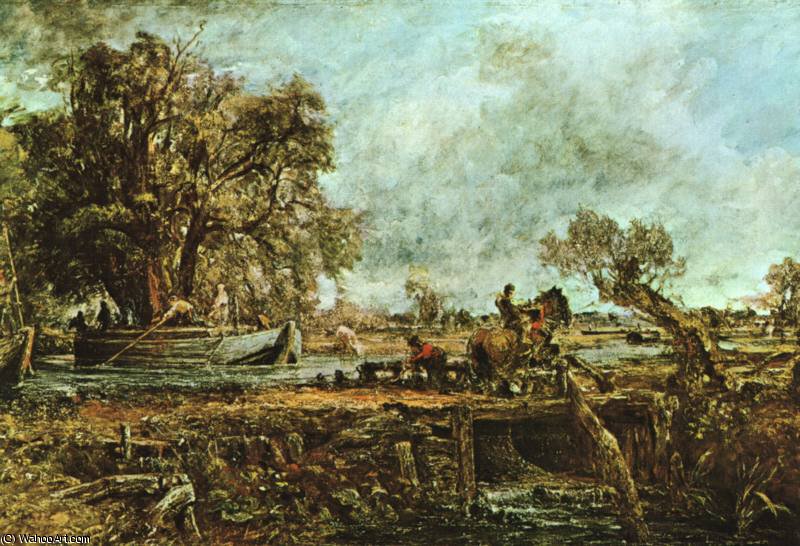
leaping horse

Witness the vibrant energy of John Constable’s "Leaping Horse" (1825)! This Romantic landscape captures a lively scene with horses and people, showcasing his signature loose brushwork & atmospheric depth. Explore this iconic British painting.

Descubre a John Constable (1776-1837), un pintor paisajista británico reconocido por su profundidad emocional y belleza natural. Influyente en la Escuela de Barbizon, pionero del Romanticismo con obras icónicas como 'Netley Abbey'. Explora su legado en WahooArt!

Adquiera una imagen digital de alta resolución y optimizada, muy superior a la vista previa en línea.

Cada archivo es preparado meticulosamente por nuestros especialistas internos mediante el uso de herramientas avanzadas y un experto retoque manual. Nos aseguramos de que cada imagen posea una claridad excepcional, una precisión cromática impecable y un detalle minucioso.

El archivo final se entrega por correo electrónico en un plazo de 72 horas, optimizado para su uso inmediato en entornos profesionales, editoriales y de impresión. Esta es la misma calidad en la que confían los estudios de diseño, las editoriales y las galerías de primer nivel.

Imagen Digital

Descarga un archivo de alta resolución para exhibición personal, impresión y proyectos creativos.

Precio total

$9.99

Incluido en cada pedido de imagen digital

Entrega digital experta, garantizada.

Al elegir WahooArt.com, no solo está adquiriendo una imagen; está recibiendo una obra de arte digital mejorada profesionalmente, elaborada con precisión y respaldada por una garantía de satisfacción. Esto es todo lo que incluye su pedido, automáticamente:

shipping_icon
Entrega rápida por email

Recibirá su archivo de imagen digital en alta resolución por correo electrónico en un plazo de 72 horas tras realizar su pedido, listo para su uso inmediato.

canvas_icon
Archivo digital optimizado con IA

Su obra de arte se optimiza profesionalmente mediante herramientas avanzadas de IA y edición manual, garantizando el máximo detalle, claridad y precisión cromática.

insurance_icon
Reenvío gratuito de por vida

¿Has borrado o perdido tu archivo por error? No te preocupes: te lo volveremos a enviar en cualquier momento, sin coste adicional.

tax_icon
Sin cargos de importación - Siempre

Disfrute de su obra de arte al instante sin aduanas, aranceles ni gastos de envío; las descargas digitales siempre están libres de impuestos.

color_icon
Garantía de fidelidad de color

Garantizamos que su imagen digital refleje los colores originales con la mayor fidelidad posible, mediante el uso de herramientas profesionales y gestión del color.

return_icon
Garantía de satisfacción de 60 días

Si no está satisfecho con su imagen digital, la revisaremos o le reembolsaremos el 100% en un plazo de 60 días, sin preguntas.

guarantee_icon
100% Garantía de devolución de dinero

¿No está satisfecho? Obtenga un reembolso completo dentro de los 60 días posteriores a la recepción de su archivo digital, sin preguntas.

discount_icon
Descuentos por pedidos al por mayor

Compra 3 imágenes, ahorra 10% - Compra 5, ahorra 15% - Compra 10+, ahorra 20%. Ideal para proyectos creativos, galerías y agencias.

Datos clave

  • Influences: Claude Lorrain
  • Medium: Oil on canvas
  • Location: Royal Academy
  • Title: The Leaping Horse
  • Subject or theme: Rural England
  • Year: 1825
  • Artist: John Constable

Test de arte

Solo hay una respuesta correcta para cada pregunta.

Pregunta 1:
What is the primary subject of John Constable’s ‘Leaping Horse’?
Pregunta 2:
In what region of England did John Constable primarily paint, as evidenced by this work?
Pregunta 3:
What artistic movement is ‘Leaping Horse’ most closely associated with?
Pregunta 4:
The painting features a boat near the left side. What is its likely purpose in the scene?
Pregunta 5:
What technique is most evident in Constable’s brushwork, contributing to the painting's atmospheric quality?

Descripción del coleccionable

A Moment of Rural Grace: John Constable’s “The Leaping Horse”

John Constable's "The Leaping Horse," painted in 1825, isn’t merely a depiction of a scene; it’s a distillation of the English countryside captured with an almost palpable sense of immediacy and emotion. This landscape painting, brimming with life and subtle detail, transports us to the River Stour valley – Constable's beloved home region of Suffolk – offering a glimpse into the rhythms of rural life and the artist’s profound connection to his surroundings. The image presents a lively tableau: a tow horse, powerfully pulling a barge across the riverbank, leaps gracefully over a cattle guard barrier, a common sight along the waterways of the time designed to keep livestock from straying. Flanking this central action are figures – likely lightermen and perhaps passengers – engaged in the everyday tasks of navigating the river, their presence adding a layer of human interaction to the natural world.

Constable’s signature style is immediately evident. He eschews the rigid formality of earlier landscape painters like Claude Lorrain, instead embracing a looser, more expressive brushstroke. Notice how the paint seems to shimmer and flow across the canvas, capturing the fleeting effects of light and shadow with remarkable sensitivity. The artist doesn't aim for photographic accuracy; rather, he prioritizes conveying the *feeling* of the scene – the warmth of the sun on the water, the rustle of reeds in the breeze, the energy of the horse’s movement. This approach aligns perfectly with the tenets of the Romantic movement, which emphasized emotion and imagination over strict representation.

The Painter's Landscape: Technique and Composition

Examining the painting’s composition reveals Constable’s meticulous attention to detail. The placement of the horse is central, drawing the viewer’s eye immediately to its dynamic leap. The use of aerial perspective – a technique where distant objects appear paler and less distinct – creates a sense of depth and atmospheric distance, effectively conveying the vastness of the landscape. Note how Constable subtly incorporates elements from his immediate surroundings: the weathered post of the cattle guard, the suggestion of a willow tree in the background (a detail he later revisited in a preparatory study), and even the faint outline of St Mary’s Church tower in Dedham – landmarks that would have been intimately familiar to the artist. The inclusion of these local details anchors the scene within its specific geographical context, reinforcing Constable's deep connection to his home.

Technically, “The Leaping Horse” is executed in oil on canvas, a medium that allowed Constable to achieve the rich colors and luminous effects he so prized. He employed a technique known as ‘broken color,’ layering thin washes of paint over each other to build up depth and vibrancy. This method contributes significantly to the painting’s atmospheric quality, creating a sense of shimmering light and subtle tonal variations.

Symbolism and Context: A Portrait of Rural England

Beyond its immediate visual appeal, “The Leaping Horse” is rich in symbolic meaning. The horse itself represents strength, vitality, and the essential role of animals in rural life. The act of leaping over the cattle guard barrier can be interpreted as a celebration of freedom and movement – a fleeting moment of exhilaration within the constraints of daily labor. The presence of the barge and its crew speaks to the importance of trade and transportation in this agricultural community. Furthermore, Constable’s choice to depict such an ordinary scene—a commonplace event on the River Stour—reflects his belief that beauty could be found in the everyday details of rural life.

Painted during a period of significant social and political change in England, “The Leaping Horse” offers a poignant glimpse into a vanishing way of life. The painting captures a moment before industrialization fundamentally altered the landscape and transformed the rhythms of rural existence. Constable’s work serves as both a celebration of this past and a testament to his enduring love for the English countryside.

Bringing “The Leaping Horse” Home: A Reproduction for Your Space

WahooArt offers meticulously crafted, hand-painted reproductions of John Constable's "The Leaping Horse," allowing you to bring this iconic masterpiece into your home or office. Our skilled artists replicate the painting’s intricate details and atmospheric qualities with exceptional accuracy, using archival-quality materials to ensure lasting beauty. Whether you are an art enthusiast, a collector, or simply seeking to add a touch of timeless elegance to your décor, our reproduction captures the essence of Constable's vision – a moment of rural grace, imbued with emotion and a profound appreciation for the natural world.

Obras similares


Biografía del artista

**vida temprana y dificultades**

john constable, un reconocido artista británico, nació el 23 de junio de 1776 en East Bergholt, Suffolk. Su vida temprana estuvo marcada por una profunda conexión con la naturaleza, que más tarde se convertiría en la marca distintiva de su estilo artístico. A pesar de enfrentar numerosos desafíos en el mercado del arte inglés, la dedicación inquebrantable de Constable a su oficio allanó el camino para un legado que va mucho más allá de su tiempo.

**estilo artístico e influencia**

El enfoque distintivo de Constable en la pintura de paisajes, caracterizado por su énfasis en la belleza natural y la profundidad emocional, marcó un cambio significativo en el género. Su influencia fue particularmente profunda en Francia, donde desempeñó un papel clave en la configuración de la escuela de Barbizon de pintores. Esta escuela, conocida por su enfoque en el realismo y la naturaleza, se inspiró directamente en las técnicas y temas de Constable.
  • Netley Abbey (óleo sobre lienzo), un testimonio de su habilidad para capturar la esencia de los paisajes naturales.
  • The Judges Walk, Hampstead (romanticismo, óleo), que muestra su capacidad para infundir toques personales en su obra.
  • A View on the Stour near Dedham (129 x 188 cm, romanticismo, óleo sobre lienzo), un ejemplo primordial de su influencia en el género del paisaje.

**legado y recuerdo**

Hoy en día, John Constable es recordado no solo como un pintor de paisajes, sino también como un pionero que abrió nuevas posibilidades para la expresión emocional en el arte. Su profundo impacto en el curso de la pintura de paisajes en el siglo XIX y más allá es innegable. Puntos clave:** * Influyente en el desarrollo de la escuela de Barbizon en Francia * Pionero de un nuevo enfoque en la pintura de paisajes, centrado en la belleza natural y la profundidad emocional * Luchó por el reconocimiento en el mercado del arte inglés durante su vida

**conclusión**

El legado de John Constable es un testimonio del poder transformador del arte. Su influencia en la pintura de paisajes, tanto en su tiempo como más allá, sirve como un recordatorio del profundo impacto que un artista puede tener en el mundo.
John Constable

John Constable

1776 - 1837 , Reino Unido

Información clave

  • Artistas Influenciados: ['Escuela de Barbizon']
  • Artistas Que Influyeron:
    • Claude Lorrain
    • Jacob van Ruisdael
  • Fecha De Muerte: 1837
  • Fecha De Nacimiento: 23 de junio de 1776
  • Lugar De Nacimiento: East Bergholt, Reino Unido
  • Movimiento Artístico: Romanticismo
  • Nacionalidad: Británico
  • Nombre Completo: John Constable
  • Obras Notables:
    • Netley Abbey
    • The Judges Walk, Hampstead
    • A View on the Stour
    • The Hay Wain
    • Salisbury Cathedral