Asesoría de arte gratuita

x
Encargar reproducción Encargar reproducciónComprar imagen en alta resolución Comprar imagen en alta resolución EnviarEnviar
DetallesDetalles Añadir a favoritos Añadir a favoritos DescargarDescargar SimilaresSimilares Rayos XRayos X Presentación de diapositivasPresentación de diapositivas

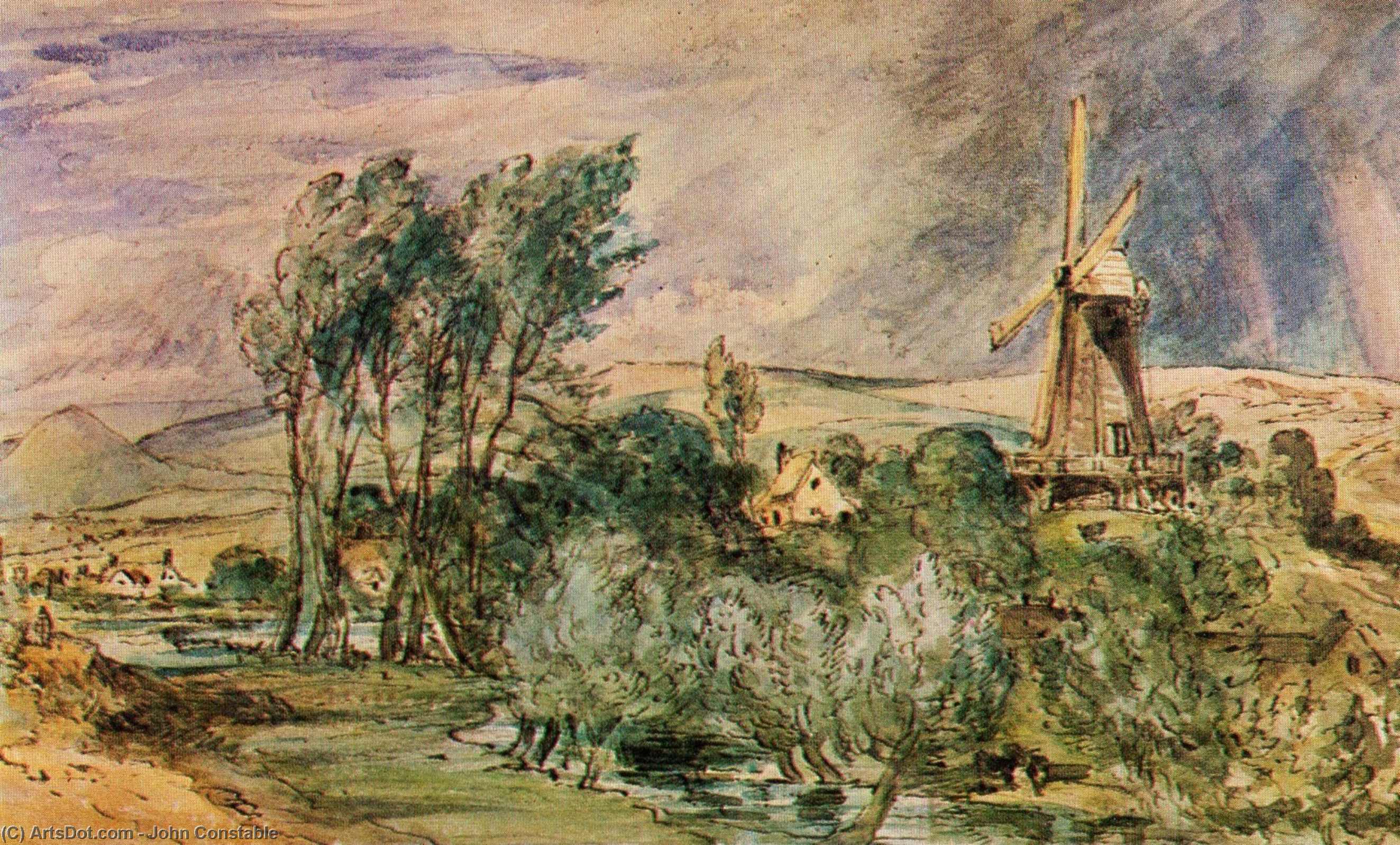
Foord Rd Mill, Folkestone

Constable’s Romantic masterpiece captures serene Folkestone's windmill amidst dappled sunlight, showcasing masterful atmospheric perspective and a profound appreciation for rural labor—a timeless scene inviting you to explore the beauty of Victorian England.

Descubre a John Constable (1776-1837), un pintor paisajista británico reconocido por su profundidad emocional y belleza natural. Influyente en la Escuela de Barbizon, pionero del Romanticismo con obras icónicas como 'Netley Abbey'. Explora su legado en WahooArt!

Giclée / Impresión de arte

Impresión giclée o en lienzo de calidad de museo con producción rápida y opciones de acabado flexibles.

P118B $10
P118H $10
P118W $10
P438Z $10
P508JH $12
P508YH $12
P805H $10
P805Z $10
P919BZ $10
P919G $10
P919XJ $10
P959ZH $10
P968JZ $12
W106C $8
W218G $10
W218JH $8
W218Y $10
W307PJ $10
W316G $10
W316PJ $8
W316Y $10
W398PJ $8
W4111J $10
W500HY $15
W500JH $15
W692G $12
W849H $8
W940BG $15
W953PJ $8

Standard
custom
CM
INCH

Elija entre nuestros tamaños predefinidos que respetan las proporciones originales de la obra.

ancho
altura

Puede introducir sus propias dimensiones para adaptarse a un marco o espacio específico. Si el tamaño seleccionado no coincide con las proporciones de la imagen original, recortaremos la obra de arte o extenderemos la imagen con un borde con efecto espejo o de color sólido. Se enviará una maqueta digital para su aprobación antes de que comience la producción.
Tenga en cuenta que la vista previa en pantalla no refleja el recorte o la extensión real. Solo la maqueta mostrará con precisión la composición final.
Aunque existen tamaños personalizados, recomendamos seleccionar una dimensión de la lista predefinida para preservar las proporciones originales.

Entrega mundial () en 2 semanas en lugar de las 4/5 semanas estándar. (3 julio)

why_choose_icon
Envío exprés gratuito a todo el mundo
why_choose_icon
Lienzo de lino de alta calidad
why_choose_icon
Seguro de envío total
why_choose_icon
Garantía de reembolso de impuestos aduaneros
why_choose_icon
Garantía de fidelidad de color
why_choose_icon
Política de devolución de 60 días (solo por defectos)
why_choose_icon
Garantía de devolución del 100% del dinero
why_choose_icon
Descuento por pedido múltiple

Precio total

-

reproduction

Foord Rd Mill, Folkestone

Giclée / Impresión de arte

Tamaño de la reproducción

-

Precio total final

-

Datos clave

  • Influences: Claude Lorrain
  • Movement: Romanticism
  • Artistic style: Romantic Landscape Painting
  • Artist: John Constable
  • Year: 1833
  • Location: Private Collection
  • Notable elements or techniques: Atmospheric perspective; Detailed depiction of rural landscape.

Test de arte

Solo hay una respuesta correcta para cada pregunta.

Pregunta 1:
What artistic movement is John Constable’s ‘Foord Rd Mill, Folkestone’ primarily associated with?
Pregunta 2:
The painting depicts a prominent feature of the landscape – what is it?
Pregunta 3:
Where was John Constable born?
Pregunta 4:
What is the overall mood conveyed by Constable’s depiction of Folkestone?
Pregunta 5:
The painting showcases a technique known for capturing the effects of light on natural subjects. What is this technique called?

Descripción de la obra

A Symphony of Light and Labor: Exploring Constable’s Foord Rd Mill

John Constable’s “Foord Rd Mill, Folkestone,” painted in 1833, isn't merely a depiction of a rural scene; it’s a masterful distillation of Romantic idealism infused with the tangible realities of Victorian England. Situated in Folkestone—a burgeoning seaside town grappling with industrial expansion and seeking to establish itself as an artistic haven—the painting captures a moment of serene beauty amidst the encroaching influence of modernity.

  • Subject Matter: The centerpiece is undoubtedly the windmill, a ubiquitous symbol of English agriculture and industriousness. Constable meticulously rendered its weathered timbers and spinning sails, conveying not just visual accuracy but also an appreciation for the physical labor that sustains rural communities. Scattered figures—likely visitors enjoying the coastal air—add to the narrative depth, suggesting a harmonious coexistence between human activity and the natural world.
  • Style: Constable’s work firmly belongs to the Romantic movement, prioritizing emotional expression over strict academic conventions. Unlike the idealized landscapes favored by artists like Claude Lorrain, “Foord Rd Mill” embraces atmospheric perspective—the subtle gradation of color and tone that creates a sense of depth—a technique championed by Constable himself as he sought to capture the essence of nature’s fleeting moods.
  • Technique: Constable employed oil paint on canvas with remarkable precision. His brushstrokes are loose yet controlled, layering colors to build up texture and luminosity. The artist skillfully utilized light – particularly diffused sunlight filtering through the trees—to illuminate the mill and its surroundings, creating a palpable sense of warmth and vibrancy. This masterful manipulation of pigment contributes significantly to the painting’s emotional impact.
  • Historical Context: Painted during Constable's formative years, “Foord Rd Mill” reflects the broader anxieties and aspirations of Victorian Britain. The Industrial Revolution was transforming England’s landscape and society, prompting artists like Constable to champion the preservation of rural traditions and landscapes as antidotes to urban alienation. Folkestone itself was undergoing rapid development, attracting wealthy tourists and establishing a reputation for artistic patronage.
  • Symbolism: Beyond its literal representation of a windmill and pastoral setting, “Foord Rd Mill” speaks to deeper themes of resilience, continuity, and the sublime beauty found in everyday life. The windmill symbolizes perseverance—the enduring spirit of rural England—while the expansive sky evokes a sense of awe and wonder, reminding viewers of the grandeur of nature.

The painting’s emotional resonance stems from Constable's ability to convey not just what he saw but how he felt. It invites contemplation on the relationship between humanity and environment—a theme that continues to resonate with audiences today. A reproduction of “Foord Rd Mill” offers a window into Constable’s artistic vision and captures the enduring allure of Romantic landscape painting.


Biografía del artista

**vida temprana y dificultades**

john constable, un reconocido artista británico, nació el 23 de junio de 1776 en East Bergholt, Suffolk. Su vida temprana estuvo marcada por una profunda conexión con la naturaleza, que más tarde se convertiría en la marca distintiva de su estilo artístico. A pesar de enfrentar numerosos desafíos en el mercado del arte inglés, la dedicación inquebrantable de Constable a su oficio allanó el camino para un legado que va mucho más allá de su tiempo.

**estilo artístico e influencia**

El enfoque distintivo de Constable en la pintura de paisajes, caracterizado por su énfasis en la belleza natural y la profundidad emocional, marcó un cambio significativo en el género. Su influencia fue particularmente profunda en Francia, donde desempeñó un papel clave en la configuración de la escuela de Barbizon de pintores. Esta escuela, conocida por su enfoque en el realismo y la naturaleza, se inspiró directamente en las técnicas y temas de Constable.
  • Netley Abbey (óleo sobre lienzo), un testimonio de su habilidad para capturar la esencia de los paisajes naturales.
  • The Judges Walk, Hampstead (romanticismo, óleo), que muestra su capacidad para infundir toques personales en su obra.
  • A View on the Stour near Dedham (129 x 188 cm, romanticismo, óleo sobre lienzo), un ejemplo primordial de su influencia en el género del paisaje.

**legado y recuerdo**

Hoy en día, John Constable es recordado no solo como un pintor de paisajes, sino también como un pionero que abrió nuevas posibilidades para la expresión emocional en el arte. Su profundo impacto en el curso de la pintura de paisajes en el siglo XIX y más allá es innegable. Puntos clave:** * Influyente en el desarrollo de la escuela de Barbizon en Francia * Pionero de un nuevo enfoque en la pintura de paisajes, centrado en la belleza natural y la profundidad emocional * Luchó por el reconocimiento en el mercado del arte inglés durante su vida

**conclusión**

El legado de John Constable es un testimonio del poder transformador del arte. Su influencia en la pintura de paisajes, tanto en su tiempo como más allá, sirve como un recordatorio del profundo impacto que un artista puede tener en el mundo.
John Constable

John Constable

1776 - 1837 , Reino Unido

Datos clave

  • Artistas Influenciados: ['Escuela de Barbizon']
  • Artistas Que Influyeron:
    • Claude Lorrain
    • Jacob van Ruisdael
  • Fecha De Muerte: 1837
  • Fecha De Nacimiento: 23 de junio de 1776
  • Lugar De Nacimiento: East Bergholt, Reino Unido
  • Movimiento Artístico: Romanticismo
  • Nacionalidad: Británico
  • Nombre Completo: John Constable
  • Obras Notables:
    • Netley Abbey
    • The Judges Walk, Hampstead
    • A View on the Stour
    • The Hay Wain
    • Salisbury Cathedral
Explore obras de arte organizadas por temas, estilos y características.