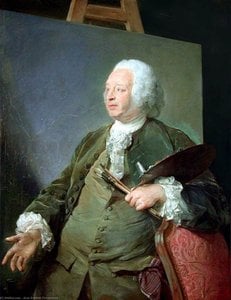
Vista previa Vista previa en RA Cambiar a formato impreso Encargar reproducción pintada a mano Compartir
Ver detalles Guía Añadir a favoritos Descargar Ver artículos similares Radiografía Presentación de diapositivas Estadísticas

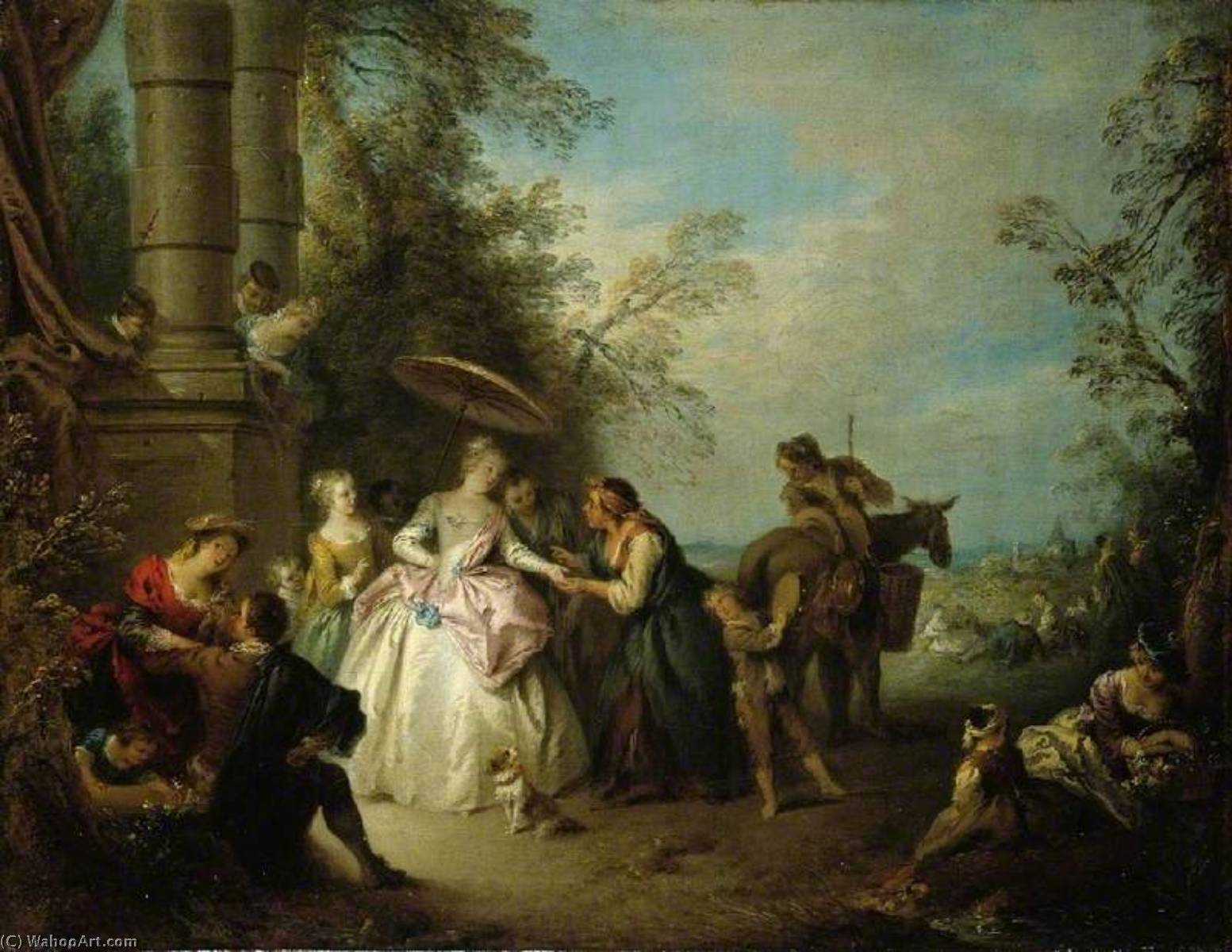
The Fortune Teller

Discover Jean-Baptiste Pater’s ‘The Fortune Teller,’ a captivating Rococo painting of aristocratic society. Explore its elegant style, rich colors & symbolic details – a timeless masterpiece.

Jean-Baptiste Pater (1695-1736): Pintor rococó y único discípulo de Watteau. Famoso por sus elegantes *fêtes galantes*, líneas brillantes y retratos para Federico el Grande. Descubre su arte!

Adquiera una imagen digital de alta resolución y optimizada, muy superior a la vista previa en línea.

Cada archivo es preparado meticulosamente por nuestros especialistas internos mediante el uso de herramientas avanzadas y un experto retoque manual. Nos aseguramos de que cada imagen posea una claridad excepcional, una precisión cromática impecable y un detalle minucioso.

El archivo final se entrega por correo electrónico en un plazo de 72 horas, optimizado para su uso inmediato en entornos profesionales, editoriales y de impresión. Esta es la misma calidad en la que confían los estudios de diseño, las editoriales y las galerías de primer nivel.

Imagen Digital

Descarga un archivo de alta resolución para exhibición personal, impresión y proyectos creativos. ( Cambiar a formato impreso Encargar reproducción pintada a mano)

Precio total

$ 24,90

Incluido en cada pedido de imágenes digitales

Entrega digital experta, garantizada.

Al elegir WahooArt.com, no solo está adquiriendo una imagen; está recibiendo una obra de arte digital mejorada profesionalmente, elaborada con precisión y respaldada por una garantía de satisfacción. Esto es todo lo que incluye su pedido, automáticamente:

shipping_icon
Entrega inmediata por email

Recibirá su archivo de imagen digital en alta resolución por correo electrónico en un plazo de 72 horas tras realizar su pedido, listo para su uso inmediato.

canvas_icon
Archivo digital optimizado por IA

Su obra de arte se optimiza profesionalmente mediante herramientas avanzadas de IA y edición manual, garantizando el máximo detalle, claridad y precisión cromática.

insurance_icon
Reenvío gratuito de por vida

¿Has borrado o perdido tu archivo por error? No te preocupes: te lo volveremos a enviar en cualquier momento, sin coste adicional.

tax_icon
Sin gastos de importación, siempre

Disfrute de su obra de arte al instante sin aduanas, aranceles ni gastos de envío; las descargas digitales siempre están libres de impuestos.

color_icon
Garantía de precisión de color

Garantizamos que su imagen digital refleje los colores originales con la mayor fidelidad posible, mediante el uso de herramientas profesionales y gestión del color.

return_icon
Garantía de satisfacción de 100 días

Si no está satisfecho con su imagen digital, la revisaremos o le reembolsaremos el 100% en un plazo de 100 días, sin preguntas.

guarantee_icon
100% Garantía de devolución de dinero

¿No está satisfecho? Obtenga un reembolso completo dentro de los 100 días posteriores a la recepción de su archivo digital, sin preguntas.

discount_icon
Descuentos por volumen

Compra 3 imágenes, ahorra 10% - Compra 5, ahorra 15% - Compra 10+, ahorra 20%. Ideal para proyectos creativos, galerías y agencias.

Datos clave

  • Artist: After Jean Baptiste Joseph Pater
  • Notable elements or techniques: Shimmering lines, skillful brushwork
  • Dimensions: 34 x 46 cm
  • Title: The Fortune Teller
  • Movement: Rococo
  • Subject or theme: Aristocratic rendezvous
  • Influences: Antoine Watteau

A Glimpse into Rococo Splendor

In the delicate dance of light and shadow that defines Jean-Baptiste Pater’s The Fortune Teller, we find ourselves transported to the heart of an era defined by grace, leisure, and the pursuit of pleasure. As the most notable pupil of Antoine Watteau, Pater did more than merely inherit a technique; he breathed life into the fête galante tradition, creating scenes that feel less like static paintings and more like captured whispers of aristocratic life. This particular work invites the viewer to step into a lush, sun-drenched landscape where the boundaries between reality and enchantment seem to blur. The composition is a masterful arrangement of social intimacy, pulling us into a crowded yet harmonious gathering where every figure contributes to a larger tapestry of refined merriment.

The painting serves as a window into the Rococo spirit, an age that favored the soft over the sharp and the whimsical over the monumental. Through his brush, Pater captures the essence of a rendezvous, where the air is thick with the scent of summer gardens and the quiet thrill of social intrigue. For the discerning collector or interior designer, this piece offers more than just aesthetic beauty; it provides a sense of historical continuity and an atmosphere of timeless elegance that can anchor a room with sophistication and warmth.

Mastery of Light and Texture

Technically, The Fortune Teller is a triumph of the Rococo palette. Pater employs a luminous range of tones, utilizing the soft, blended edges characteristic of sfumato to create an atmospheric haze that suggests the heat of a summer afternoon. The color story is one of exquisite balance, where warm earth tones—rich ochres, deep browns, and romantic reds—are set against the cooling whispers of distant blues and verdant greens in the background landscape. This interplay of temperature creates a profound sense of depth, drawing the eye from the immediate, tactile details of the foreground figures toward the hazy, dreamlike silhouette of a distant town.

The artist’s hand is visible in the fluid, organic lines that define the flowing drapery of the noble figures and the soft contours of the natural world. There is a rhythmic quality to his brushwork; it is smooth yet energetic, capturing the shimmering texture of fine silks and the delicate skin tones of the participants. This mastery of oil on canvas allows for a multidimensional experience, where the light appears to catch the folds of fabric and the leaves of trees, making the scene feel vibrantly alive. Such technical prowess ensures that a high-quality reproduction remains a captivating focal point, retaining the subtle nuances that make the original so enchanting.

Symbolism and Emotional Resonance

Beyond its surface beauty, the painting is layered with the symbolic language of the 18th century. The very subject of fortune-telling suggests themes of destiny, curiosity, and the fleeting nature of time—concepts that were deeply embedded in the consciousness of the French aristocracy. Within this social tableau, small details act as silent narrators: an umbrella serves as a symbol of both status and protection from the elements, while the presence of a dog introduces motifs of loyalty and companionship amidst the transient nature of human encounters. These elements weave a narrative of courtship and social maneuvering that resonates with a sense of playful mystery.

The emotional impact of the work is one of lightheartedness tempered by a gentle nostalgia. It captures a moment of perfect, unburdened leisure, yet there is an underlying awareness of the ephemeral beauty of such gatherings. For those looking to infuse their living spaces with a sense of cultured tranquility, The Fortune Teller offers an unparalleled emotional depth. It is a piece that does not merely decorate a wall; it invites conversation, evokes memory, and brings the storied elegance of the French Rococo into the modern home.


Biografía del artista

Jean-Baptiste Pater: El único discípulo de Watteau

Jean-Baptiste Pater (29 de diciembre de 1695 – 25 de julio de 1736) se erige como una figura singular en los anales del arte rococó francés, siendo el único alumno documentado de Antoine Watteau, posiblemente el artista más célebre de este movimiento. Nacido en Valenciennes, Francia, la trayectoria artística de Pater comenzó bajo la tutela de su padre escultor, Antoine Pater, lo que fomentó un temprano aprecio por la forma y la maestría artesanal que informaría sus esfuerzos posteriores. Sin embargo, fue Watteau quien moldeó irrevocablemente la visión de Pater, estableciendo una relación marcada tanto por la admiración como por la fricción, una dinámica que finalmente dio lugar a uno de los pintores más influyentes de su época.
  • Formación temprana e influencias: Los años formativos de Pater transcurrieron perfeccionando sus habilidades bajo la guía de Antoine Pater, absorbiendo los principios fundamentales de la escultura antes de embarcarse en sus estudios artísticos con Jean-Baptiste Guide. Esta base inicial resultó inestimable cuando más tarde buscó la mentoría de Watteau en París (1713), donde el estilo distintivo del maestro —caracterizado por delicadas paletas pastel y etéreas líneas brillantes— cautivó de inmediato al joven Pater.
  • La conexión con Watteau: La influencia de Watteau se extendió más allá de la mera imitación estilística; permeó el marco conceptual de Pater. A pesar del temperamento notoriamente difícil de Watteau, Pater reconoció la profunda comprensión del maestro sobre la atmósfera y la emoción, cualidades que persiguió diligentemente en su propia obra. La breve colaboración entre ambos artistas consolidó el legado de Watteau como la fuerza guía de Pater.
  • Estilo y técnica rococó: El estilo artístico de Pater personificaba la estética rococó: una celebración de la elegancia, la frivolidad y el placer sensual. Empleó una técnica magistral utilizando colores pastel tradicionales y aplicando líneas brillantes con una precisión notable. Este enfoque distintivo anticipa las exploraciones posteriores de Francesco Guardi sobre la perspectiva atmosférica, demostrando las agudas habilidades observacionales y el espíritu innovador de Pater.

Obras notables y mecenazgo

La producción artística de Pater se centró principalmente en las fêtes galantes, escenas idílicas que representan reuniones aristocráticas entre jardines o paisajes, un género defendido por Watteau y perfeccionado por el propio Pater. Entre sus lienzos más celebrados se encuentra “Conversation Galante”, una representación impresionante de la refinada interacción social bañada por una luz suave, capturando la esencia de la preocupación del Rococó por la belleza y la gracia. Otro logro significativo es “Paisaje con un carro”, que muestra la capacidad de Pater para transmitir matices sutiles de textura y color, una pieza considerada precursora del uso revolucionario de la perspectiva atmosférica por parte de Guardi.
  • Federico el Grande: Pater alcanzó un renombre considerable gracias a sus encargos de retratos para Federico II, Rey de Prusia, específicamente “Le Sultan au Harem” y “Le Sultan au Jardin”. Estos retratos ejemplifican la habilidad de Pater para retratar la dignidad real y capturar las complejidades psicológicas de sus sujetos, consolidando su reputación como artista de la corte.
  • Colecciones de museos: Las pinturas de Pater residen en prestigiosas instituciones de todo el mundo, incluyendo el Museo del Louvre en París y el Musée des Beaux-Arts de Valenciennes, testimonios de su perdurable mérito artístico y su importancia histórica.

Legado y trascendencia artística

La contribución de Jean-Baptiste Pater al arte rococó francés es innegable. Se mantiene como una figura fundamental en la captura del espíritu de su era, encarnando las innovaciones estilísticas de Watteau mientras forjaba su propia voz artística distintiva. Su técnica meticulosa y sus composiciones evocadoras continúan inspirando admiración tanto en historiadores del arte como en entusiastas, un testimonio del legado perdurable de Pater como uno de los pintores más destacados de la Francia del siglo XVIII. Para una comprensión más profunda de la vida y la obra de Pater, visite WahooArt o explore el sitio web del Musée des Beaux-Arts de Valenciennes.
Jean-Baptiste Pater

Jean-Baptiste Pater

1695 - 1736 , Francia

Datos clave

  • Artistic Movement Or Style: Rococó Pastel Palette
  • Artists Or Movements Influenced By This Artist: ['Francesco Guardi']
  • Artists Who Influenced This Artist: ['Antoine Watteau']
  • Date Of Birth: December 29, 1695
  • Date Of Death: July 25, 1736
  • Full Name: Jean-Baptiste Joseph Pater
  • Nationality: Francés
  • Notable Artworks:
    • Conversation Galante
    • Landscape with a Cart
  • Place Of Birth: Valenciennes, France