x
Ver en contextoVer en contexto Vista previa en RAVista previa en RA Comprar impresión Comprar impresiónComprar imagen Comprar imagen EnviarEnviar
DetallesDetalles Añadir a favoritos Añadir a favoritos DescargarDescargar SimilaresSimilares RadiografíaRadiografía Presentación de diapositivasPresentación de diapositivas

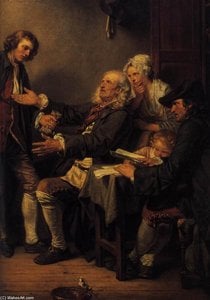
Self-Portrait

Capture the sentimental drama of this 18th-century self-portrait by Jean-Baptiste Greuze; own a piece of French genre mastery today.

Descubre a Jean-Baptiste Greuze (1725-1805), pintor francés clave del Rococó, conocido por sus escenas de género y retratos emotivos que capturan la vida cotidiana y lecciones morales. ¡Explora sus obras maestras y legado!

Reproducción al óleo hecha a mano

Óleo sobre lienzo pintado a mano en el tamaño y marco de su elección, realizado por encargo por nuestros artistas. (Comprar impresión Comprar impresiónComprar imagen Comprar imagen)

P118B $10
P118H $10
P118W $10
P438Z $10
P508JH $12
P508YH $12
P805H $10
P805Z $10
P919BZ $10
P919G $10
P919XJ $10
P959ZH $10
P968JZ $12
W106C $8
W218G $10
W218JH $8
W218Y $10
W307PJ $10
W316G $10
W316PJ $8
W316Y $10
W398PJ $8
W4111J $10
W500HY $15
W500JH $15
W692G $12
W849H $8
W940BG $15
W953PJ $8

Estándar
a medida
CM
INCH

Elija entre nuestros tamaños predefinidos que respetan las proporciones originales de la obra.

ancho
altura

Puede ingresar sus propias dimensiones para adaptarse a un marco o espacio específico. Si el tamaño seleccionado no coincide con las proporciones de la imagen original, recortaremos la obra o extenderemos la pintura con elementos adicionales pintados a mano. Se le enviará una maqueta digital para su aprobación antes de comenzar la producción.
Tenga en cuenta que la vista previa en pantalla no refleja el recorte o la extensión reales. Solo la maqueta mostrará con precisión la composición final.
Si bien existen tamaños personalizados, recomendamos seleccionar una dimensión de la lista predefinida para preservar las proporciones originales.

Ejemplos de lo que se puede personalizar: Reemplace el rostro con una foto del cliente; Agregue una mascota (por ejemplo, cambie un gato por un perro); Incluya un mensaje oculto en el fondo; Cambie el paisaje o los elementos del fondo.
Tras realizar el pedido, el equipo de WahooArt.com enviará un correo electrónico al cliente para solicitar instrucciones y proporcionarle una vista previa del boceto.

Envío a todo el mundo () en 3-4 semanas en lugar de las 5 semanas estándar. (30 agosto). Sin comprometer la calidad.

why_choose_icon
Envío exprés gratuito a todo el mundo
why_choose_icon
Lienzo de lino de alta calidad
why_choose_icon
Seguro de envío total
why_choose_icon
Garantía de reembolso de impuestos aduaneros
why_choose_icon
Garantía de fidelidad cromática exacta
why_choose_icon
Política de devolución de 60 días (solo por defectos)
why_choose_icon
Garantía de devolución del 100% del dinero
why_choose_icon
Descuento por cantidad

Precio total

$ 272

reproduction

Self-Portrait

Técnica de reproducción

Dimensiones de la reproducción

-

Precio total final

$ 272

Datos clave

  • Artist: Jean-Baptiste Greuze
  • Medium: Pastel
  • Location: Louvre
  • Title: Self-Portrait
  • Movement: Neoclassical
  • Influences: Rococo
  • Dimensions: 56 x 46 cm

Test de arte

Cada pregunta tiene una única respuesta correcta.

Pregunta 1:
What artistic movement is Jean-Baptiste Greuze primarily associated with?
Pregunta 2:
The image depicts a man smoking a pipe. What does this detail suggest about the artist's intention?
Pregunta 3:
Where was Jean-Baptiste Greuze initially trained as an artist?
Pregunta 4:
What is a key characteristic of Greuze's artistic style?
Pregunta 5:
The painting includes two other figures. What is their role in the scene?

A Glimpse into Sentimental Life: Analyzing Greuze's Self-Portrait

To stand before this depiction of a man with distinguished white hair, pipe held thoughtfully in his mouth, is to step directly into the emotional landscape of late eighteenth-century France. Jean-Baptiste Greuze, master chronicler of human feeling, has captured not merely a likeness, but a moment imbued with quiet contemplation. The subject gazes out, seemingly connecting with the viewer across the span of two centuries. His attire, suggesting an earlier epoch, anchors him in a time when sentimentality was becoming the dominant current in art. Yet, it is the subtle presence of the two other figures—one flanking the left, another on the right—that enriches the narrative, transforming what might be a simple portrait into a complex tableau of social interaction.

The Artistry of Sentiment and Genre

Greuze’s genius lay in his ability to elevate everyday life—the genre scene—to the level of high art. While academic painters often gravitated toward grand historical epics or mythological grandeur, Greuze found his profound resonance in the intimate dramas of ordinary people. This Self-Portrait, dated around 1780, exemplifies this focus. The technique employed speaks to a mastery of tonal subtlety; observe how the light catches the texture of the brown coat and the wisps of white hair. It is a painting that rewards close inspection, allowing the eye to wander from the direct gaze of the central figure to the muted activities unfolding around him. This careful balance between individual focus and surrounding narrative depth is characteristic of his most compelling works.

Historical Echoes: Life in the Late Enlightenment

The period surrounding 1780 was a time of profound intellectual ferment, one where emotion began to challenge rigid classical structures. Greuze’s work resonated deeply with the burgeoning sentimental taste—a cultural shift that valued empathy, domestic virtue, and relatable human struggle over sheer grandeur. The inclusion of multiple figures suggests a community moment, perhaps a gathering or an informal portrait session. These secondary characters are not mere props; they participate in the atmosphere, grounding the central figure's introspection within a tangible social reality. Owning a reproduction of this piece allows one to bring that historical resonance—that feeling of intimate, observed life—into a modern setting.

Symbolism and Emotional Resonance for the Collector

The pipe itself functions as more than just an accessory; it is a classic symbol of contemplation, reflection, and perhaps even melancholy wisdom. The man seems caught between the outward performance of his composure and the deep thoughts suggested by his posture. For the collector or designer, this painting offers immediate emotional depth. It speaks to the quiet dignity found in aging, in companionship, and in the act of simply observing life unfold. Whether placed above a mantelpiece or within a gallery setting, this artwork does not shout for attention; rather, it invites the viewer into a hushed, thoughtful conversation, making it an exquisite piece for those who appreciate art with a soulful whisper.


Biografía del artista

Primeros años y formación

Jean-Baptiste Greuze, un pintor francés, nació el 21 de agosto de 1725 en Tournus, Borgoña. Su padre, maestro techador, inicialmente desalentó las inclinaciones artísticas de su hijo, pero eventualmente, Grandon, un artista lyones, animó a Greuze a perseguir su pasión. En 1750, Greuze se mudó a París para estudiar bajo Charles-Joseph Natoire en la Real Academia de Pintura y Escultura.

Ascenso a la fama

El gran avance de Greuze llegó en 1755 con su pintura *Le Père de Famille Expliquant la Bible à ses Enfants*, que fue comprada por un entusiasta del arte adinerado, Ange-Laurent Lalive de Jully. Esto llevó al reconocimiento de Greuze entre los filósofos y la comunidad artística. Luego viajó a Italia con Abbé Gougenot, donde pasó aproximadamente un año, inspirando sus futuras obras.

Estilo artístico y obras notables

El estilo de Greuze se caracteriza por su enfoque en escenas de género, capturando la esencia de la vida cotidiana. Algunas obras notables incluyen:
  • *Una niña con un canario muerto* (Scottish National Gallery, Edimburgo), que muestra la capacidad de Greuze para evocar emociones.
  • *Saboyano con una muñeca bailarina* (Albertina, Viena), destacando su habilidad para capturar el espíritu de sus sujetos.
  • *Niño con un huevo roto*, c. 1756 (Albertina, Viena), demostrando la temprana maestría de Greuze en la pintura de género.

Legado y vida posterior

El éxito de Greuze alcanzó su punto máximo en 1765, con trece obras expuestas en el Salón, incluyendo *La Jeune Fille qui Pleure son Oiseau Mort*, *La Bonne Mère* y *Le Mauvais Fils Puni* (Louvre). Sin embargo, su intento de transición a la pintura histórica fue recibido con críticas. Greuze falleció el 4 de marzo de 1805 en el Louvre, después de una vida marcada tanto por triunfos artísticos como por dificultades financieras.

Influencias y desarrollo artístico

La obra de Greuze se desarrolló en un período de transición dentro del arte francés. Aunque inicialmente influenciado por el estilo rococó, con su énfasis en la elegancia y la sensualidad, Greuze evolucionó hacia una representación más realista y moralizante de la vida cotidiana. Se puede observar la influencia de los maestros holandeses en su atención al detalle y su enfoque en escenas domésticas. Su interés por retratar las emociones humanas, a menudo con un toque de melancolía o dramatismo, lo distingue de sus contemporáneos rococó. Su intento posterior de incursionar en la pintura histórica, aunque no fue bien recibido, refleja su deseo de ampliar su repertorio y alcanzar el prestigio asociado con este género.

Significado histórico

Jean-Baptiste Greuze es recordado como un pintor clave del siglo XVIII francés, que ayudó a definir el género de la pintura de costumbres. Su capacidad para capturar momentos íntimos y transmitir mensajes morales a través de sus obras lo convirtió en un artista popular entre la burguesía de su época. Aunque su intento de pintar historia no tuvo éxito, su legado como maestro de la pintura de género sigue siendo significativo. Su obra representa una transición importante del rococó hacia el neoclasicismo, y su influencia se puede apreciar en generaciones posteriores de artistas franceses.
Jean-Baptiste Greuze

Jean-Baptiste Greuze

1725 - 1805 , Francia

Datos clave

  • Artistas Influyentes:
    • Charles-Joseph Natoire
    • Charles Grandon
  • Estilo Artístico: Rococó y género
  • Fecha De Muerte: 4 de marzo de 1805
  • Fecha De Nacimiento: 21 de agosto de 1725
  • Lugar De Nacimiento: Tournus, Francia
  • Nacionalidad: Francesa
  • Nombre Completo: Jean-Baptiste Greuze
  • Obras Notables:
    • A Girl with a Dead Canary
    • Savoyard with a Dancing Doll
    • Boy with a Broken Egg
Explore obras de arte organizadas por temas, estilos y características.