Asesoría de arte gratuita

x
Encargar reproducción Encargar reproducciónComprar imagen en alta resolución Comprar imagen en alta resolución EnviarEnviar
DetallesDetalles Añadir a favoritos Añadir a favoritos DescargarDescargar SimilaresSimilares Rayos XRayos X Presentación de diapositivasPresentación de diapositivas

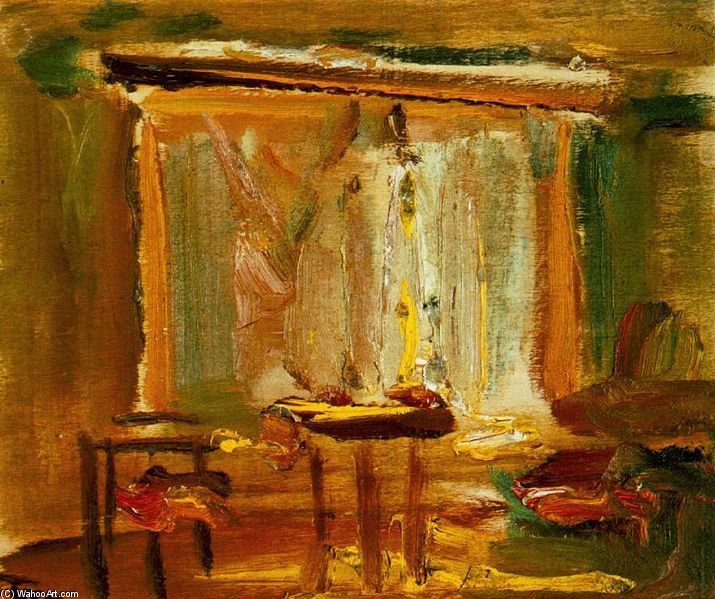
Interior With Curtained Window

Descubre 'Los Niños del Planeta Mercurio' de Jan Brueghel el Viejo (1645). Una alegoría barroca vibrante llena de simbolismo, conocimiento y prosperidad.

Giclée / Impresión de arte

Impresión giclée o en lienzo de calidad de museo con producción rápida y opciones de acabado flexibles.

Standard
custom
CM
INCH

Elija entre nuestros tamaños predefinidos que respetan las proporciones originales de la obra.

ancho
altura

Puede introducir sus propias dimensiones para adaptarse a un marco o espacio específico. Si el tamaño seleccionado no coincide con las proporciones de la imagen original, recortaremos la obra de arte o extenderemos la imagen con un borde con efecto espejo o de color sólido. Se enviará una maqueta digital para su aprobación antes de que comience la producción.
Tenga en cuenta que la vista previa en pantalla no refleja el recorte o la extensión real. Solo la maqueta mostrará con precisión la composición final.
Aunque existen tamaños personalizados, recomendamos seleccionar una dimensión de la lista predefinida para preservar las proporciones originales.

Entrega mundial () en 2 semanas en lugar de las 4/5 semanas estándar. (3 julio)

why_choose_icon
Envío exprés gratuito a todo el mundo
why_choose_icon
Lienzo de lino de alta calidad
why_choose_icon
Seguro de envío total
why_choose_icon
Garantía de reembolso de impuestos aduaneros
why_choose_icon
Garantía de fidelidad de color
why_choose_icon
Política de devolución de 60 días (solo por defectos)
why_choose_icon
Garantía de devolución del 100% del dinero
why_choose_icon
Descuento por pedido múltiple

Precio total

-

reproduction

Interior With Curtained Window

Giclée / Impresión de arte

Tamaño de la reproducción

-

Precio total final

-


Biografía del artista

Janos Tornyai: A Painter of Hungarian Soul

János Tornyai (1869-1936) stands as a pivotal figure in Hungarian art history, celebrated for his unflinching portrayal of rural life and landscapes imbued with the spirit of the Great Plain. Born in Hodmezővásárhely, Hungary, to humble laborers, Tornyai’s artistic journey began modestly but blossomed into a prolific output that continues to resonate today—particularly thanks to the rediscovery of his vast oeuvre following decades of obscurity. His work embodies a unique blend of realism and Impressionism, capturing both the tangible details of peasant existence and the ethereal beauty of Hungarian countryside.

Early Life and Artistic Training

Tornyai’s formative years were marked by diligent study at the School of Decorative Art in Budapest (1886-88), where he honed his foundational skills before embarking on a transformative apprenticeship with Bertalan Székely, Károly Lotz, and János Gregus. This exposure to influential masters instilled in him a deep appreciation for observation and technique—skills that would serve as bedrock for his subsequent artistic endeavors. His enrollment at the Académie Julian in Paris (1894) further broadened his horizons, introducing him to the stylistic innovations of Mihály Munkácsy, whose dramatic realism profoundly impacted Tornyai’s approach to painting. Visits to Germany and Italy during 1897 solidified his understanding of European artistic currents. Mihály Munkácsy's monumental canvases championed the dignity of peasant labor and conveyed a palpable sense of emotion—qualities Tornyai skillfully incorporated into his own paintings. He mastered the techniques of capturing light and color, mirroring Munkácsy’s expressive style. This dedication to realism combined with Impressionistic influences created a distinctive artistic voice that would define Tornyai's entire career.

The Influence of Munkácsy and Folk Art

Tornyai's artistic sensibilities were undeniably shaped by Mihály Munkácsy, whose dramatic realism profoundly impacted Tornyai’s approach to painting. He championed the dignity of peasant labor and conveyed a palpable sense of emotion—qualities Tornyai skillfully incorporated into his own paintings. Equally significant was his involvement in the burgeoning Hungarian folk art movement alongside Gyula Rudnay and Béla Endre. Together, they established a school in Hodmezővásárhely dedicated to preserving traditional pottery techniques, demonstrating Tornyai’s commitment not only to artistic excellence but also to safeguarding Hungary's cultural heritage.

Major Works and Artistic Style

Tornyai’s oeuvre is characterized by a remarkable sensitivity to light and color—traits evident in his iconic landscapes of the Great Plain ("Well-Sweep," "Hungarian Fate"), which capture the subtle nuances of rural life with breathtaking precision. His early works, such as “Rákóczi in Rodostó” (1904) and “The Outlaw’s Love” (1907), depict heroic figures amidst dramatic settings—reflecting a fascination with historical narratives and theatrical composition. He excelled at portraying the everyday lives of Hungarian peasants, conveying their hardships and joys with unwavering empathy. Later in his career, Tornyai embraced plein air painting, favoring luminous colors and dynamic brushstrokes to convey the immediacy of observation. Notable pieces include “Miklós Nagy Bercsényi” (1908), "Woman in Green Coat" (1932–34) and “Heritage,” which exemplifies his masterful use of color and texture.

Rediscovery and Legacy

The rediscovery of Tornyai’s vast artistic output—approximately 718 paintings unearthed from beneath the floorboards of his studio—represents a triumph for Hungarian art history. These canvases now reside in the Tornyai Museum of Hodmezővásárhely, offering visitors an unparalleled glimpse into the artist's vision and artistry. János Tornyai’s enduring legacy lies not only in his stunning paintings but also in his unwavering dedication to preserving Hungarian folklore and fostering artistic education—a testament to his profound impact on Hungarian culture and art.
János Tornyai

János Tornyai

1869 - 1936 , Hungría

Datos clave

  • Artistic Movement Or Style: Realismo y Postimpresionismo
  • Artists Or Movements Influenced By This Artist: ['École Supérieure des Beaux-Arts']
  • Artists Who Influenced This Artist: ['Mihály Munkácsy']
  • Date Of Birth: 1869
  • Date Of Death: 1936
  • Full Name: János Tornyai
  • Nationality: Hungarian
  • Notable Artworks:
    • Rákóczi en Rodostó
    • El Amor del Rebelde
  • Place Of Birth: Hodmezővásárhely, Hungary