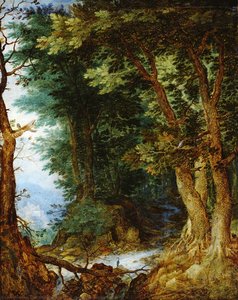
Óleo sobre lienzo pintado a mano en el tamaño y marco de su elección, realizado por encargo por nuestros artistas. ( Comprar impresión Comprar imagen)





























Elija entre nuestros tamaños predefinidos que respetan las proporciones originales de la obra.

Puede ingresar sus propias dimensiones para adaptarse a un marco o espacio específico. Si el tamaño seleccionado no coincide con las proporciones de la imagen original, recortaremos la obra o extenderemos la pintura con elementos adicionales pintados a mano. Se le enviará una maqueta digital para su aprobación antes de comenzar la producción.
Tenga en cuenta que la vista previa en pantalla no refleja el recorte o la extensión reales. Solo la maqueta mostrará con precisión la composición final.
Si bien existen tamaños personalizados, recomendamos seleccionar una dimensión de la lista predefinida para preservar las proporciones originales.
Envío a todo el mundo () en 3-4 semanas en lugar de las 5 semanas estándar. (6 septiembre). Sin comprometer la calidad.


The Original Sin
Dimensiones de la reproducción
In the masterful hands of Jan Brueghel the Elder, the canvas becomes more than just a surface; it transforms into a breathing, pulsing ecosystem where the divine and the terrestrial intersect. His work, "The Original Sin," serves as a breathtaking window into the Flemish Baroque imagination, inviting the viewer to wander through a lush, verdant paradise that feels simultaneously intimate and infinite. At first glance, one is struck by the sheer vitality of the scene—a sprawling, emerald landscape teeming with an extraordinary diversity of life. From the delicate flutter of birds navigating the canopy to the heavy, rhythmic presence of horses, cows, and sheep grazing in the meadows, Brueghel orchestrates a complex ballet of movement. This is not merely a pastoral landscape; it is a meticulously composed stage where every creature plays a role in a much larger, more profound narrative.
The brilliance of this piece lies in its ability to balance grand theological themes with an almost scientific devotion to natural detail. As a master of the Flemish tradition, Brueghel utilizes a technique characterized by microscopic precision, allowing each feather, blade of grass, and animal texture to emerge with startling clarity. This meticulousness creates a sense of tactile reality that draws the eye deeper into the composition, encouraging a slow, meditative exploration of the frame. For the discerning collector or interior designer, this painting offers a rare duality: it possesses the grandeur required for a focal point in a sophisticated gallery setting, yet its intricate details reward the most intimate viewing, making it an enduring treasure for any curated space.
Beneath the surface of this idyllic gathering lies a deeper, more contemplative layer of meaning. The title itself, "The Original Sin," suggests a tension between the pristine beauty of the natural world and the inherent fragility of innocence. While the painting celebrates the abundance of creation, the presence of various species gathered around a central tree evokes the biblical Garden of Eden, reminding us of the moment where harmony met human fallibility. Brueghel subtly weaves these allegorical threads through the arrangement of his subjects; the way certain animals interact or gaze toward specific points in the landscape hints at a cosmic order that is both beautiful and precarious. It is this intellectual depth that elevates the work from a mere study of nature to a profound meditation on existence.
The emotional impact of the work is one of overwhelming abundance and quiet wonder. There is a certain nostalgia embedded in the lush greenery and the peaceful coexistence of species, evoking a longing for a lost state of grace. For those looking to bring a sense of history and soul into their homes, a high-quality reproduction of this masterpiece provides more than just decoration; it introduces a conversation piece that bridges the gap between the seventeenth century and the modern era. To hang such a work is to invite the spirit of the Flemish Baroque—a spirit of curiosity, reverence for nature, and an unyielding appreciation for the intricate beauty found in every living thing.

Jan Brueghel el Viejo, una figura destacada del movimiento barroco flamenco, nació en una familia profundamente arraigada en la tradición artística. Como segundo hijo del renombrado pintor neerlandés Pieter Bruegel el Anciano y hermano de Jan Brueghel el Joven, heredó un legado que moldeó profundamente su propia carrera. Su vida y obra reflejan una fascinante intersección de influencia familiar, estilos artísticos en evolución y contribuciones significativas al arte del siglo XVII.
Nacido en Bruselas, los primeros años de Jan Brueghel estuvieron inmersos en el mundo del arte. Su padre, Pieter Bruegel el Anciano, ya era un artista celebrado conocido por sus escenas de género y paisajes que representaban la vida campesina. Aunque los detalles sobre su formación formal son algo escasos, se cree ampliamente que recibió instrucción inicial de su padre. Más allá de esta guía familiar, Jan probablemente estudió bajo otros artistas destacados de la época, absorbiendo las técnicas y filosofías artísticas prevalecientes en Amberes y Bruselas.
Jan Brueghel el Viejo desarrolló un estilo distintivo caracterizado por una meticulosa atención al detalle, colores vibrantes y una hábil manipulación de la luz y la sombra. Si bien fue influenciado por los trabajos anteriores de su padre, forjó su propio camino, convirtiéndose en particular en un renombre por sus bodegones, paisajes y escenas alegóricas.
Entre sus obras más notables se encuentran:
Si bien indudablemente influenciado por el legado de su padre, Jan Brueghel el Viejo también se inspiró en las tendencias artísticas contemporáneas. El auge del arte barroco en Flandes impactó significativamente su estilo, lo que llevó a una mayor énfasis en el drama, la emoción y los detalles opulentos. Colaboró estrechamente con Peter Paul Rubens, uno de los artistas más influyentes de la época, intercambiando ideas y técnicas que refinaron aún más su propio enfoque. Su desarrollo también vio cómo se alejaba de obras puramente basadas en paisajes hacia composiciones más complejas que incorporaban elementos alegóricos y componentes detallados de bodegón.
Jan Brueghel el Viejo dejó una huella perdurable en el mundo del arte, consolidando su lugar como una figura significativa en el movimiento barroco flamenco. Su meticulosa atención al detalle, paletas de colores vibrantes e innovadoras composiciones continúan inspirando a los artistas hoy en día. Es particularmente reconocido por ser pionero en nuevos géneros como las pinturas de guirnaldas de flores y los paisajes paradisíacos, expandiendo las posibilidades de la expresión artística. Su obra refleja el espíritu de la Contrarreforma, incorporando motivos religiosos junto con un creciente interés en la observación científica y la representación precisa del mundo natural. Su influencia se extendió más allá de su propia vida, impactando a generaciones posteriores de pintores flamencos y contribuyendo al rico tapiz de la historia del arte europeo.

1568 - 1625 , Bélgica

Explore the dramatic brilliance of the Flemish Baroque movement. Discover how masters like Peter Paul Rubens utilized chiaroscuro and dynamic composition to redefine art history through light, shadow, and unparalleled emotion.

 Ver en contexto
 Enviar
 Compartir
 Detalles

 Descargar
 Similares
 Radiografía
 Presentación de diapositivas

 Ver más







 La opción de vidrio solo está disponible en tamaños inferiores a 110 cm.