Jan Brueghel el Viejo: Una Vida en el Arte
- Nacido: Bruselas, Bélgica (1568)
- Fallecido: 1625
Jan Brueghel el Viejo, una figura destacada del movimiento barroco flamenco, nació en una familia profundamente arraigada en la tradición artística. Como segundo hijo del renombrado pintor neerlandés Pieter Bruegel el Anciano y hermano de Jan Brueghel el Joven, heredó un legado que moldeó profundamente su propia carrera. Su vida y obra reflejan una fascinante intersección de influencia familiar, estilos artísticos en evolución y contribuciones significativas al arte del siglo XVII.
Vida Temprana y Formación
Nacido en Bruselas, los primeros años de Jan Brueghel estuvieron inmersos en el mundo del arte. Su padre, Pieter Bruegel el Anciano, ya era un artista celebrado conocido por sus escenas de género y paisajes que representaban la vida campesina. Aunque los detalles sobre su formación formal son algo escasos, se cree ampliamente que recibió instrucción inicial de su padre. Más allá de esta guía familiar, Jan probablemente estudió bajo otros artistas destacados de la época, absorbiendo las técnicas y filosofías artísticas prevalecientes en Amberes y Bruselas.
Estilo Artístico y Obras Notables
Jan Brueghel el Viejo desarrolló un estilo distintivo caracterizado por una meticulosa atención al detalle, colores vibrantes y una hábil manipulación de la luz y la sombra. Si bien fue influenciado por los trabajos anteriores de su padre, forjó su propio camino, convirtiéndose en particular en un renombre por sus bodegones, paisajes y escenas alegóricas.
- Atención Meticulosa al Detalle: Sus obras son celebradas por su increíble detalle, evidente en la representación de flores, frutas, insectos y otros elementos naturales.
- Colores Vibrantes: Brueghel empleó una rica paleta, utilizando colores vibrantes para crear profundidad, emoción y atractivo visual en sus composiciones.
- Experimentación con Luz y Sombra: Utilizó hábilmente la luz y la sombra para crear efectos dramáticos y mejorar el realismo de sus pinturas.
Entre sus obras más notables se encuentran:
- El Triunfo de Neptuno (Museo del Prado, España): Una obra maestra a gran escala que muestra su dominio del color y la composición, representando una celebración lujosa en honor al dios marino.
- Bodegón con Flores (Groeninge Museum, Bruges, Bélgica): Demuestra su excepcional habilidad para capturar la belleza y fragilidad de los objetos cotidianos, particularmente las flores.
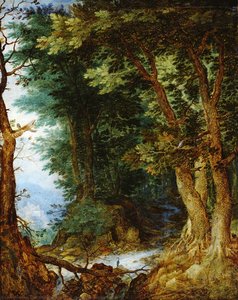
- Paisaje con Cascada (WahooArt.com): Un testimonio de su capacidad para evocar emociones a través de paisajes, mostrando una escena natural serena pero poderosa.
Influencias y Desarrollo
Si bien indudablemente influenciado por el legado de su padre, Jan Brueghel el Viejo también se inspiró en las tendencias artísticas contemporáneas. El auge del arte barroco en Flandes impactó significativamente su estilo, lo que llevó a una mayor énfasis en el drama, la emoción y los detalles opulentos. Colaboró estrechamente con Peter Paul Rubens, uno de los artistas más influyentes de la época, intercambiando ideas y técnicas que refinaron aún más su propio enfoque. Su desarrollo también vio cómo se alejaba de obras puramente basadas en paisajes hacia composiciones más complejas que incorporaban elementos alegóricos y componentes detallados de bodegón.
Legado y Significado Histórico
Jan Brueghel el Viejo dejó una huella perdurable en el mundo del arte, consolidando su lugar como una figura significativa en el movimiento barroco flamenco. Su meticulosa atención al detalle, paletas de colores vibrantes e innovadoras composiciones continúan inspirando a los artistas hoy en día. Es particularmente reconocido por ser pionero en nuevos géneros como las pinturas de guirnaldas de flores y los paisajes paradisíacos, expandiendo las posibilidades de la expresión artística. Su obra refleja el espíritu de la Contrarreforma, incorporando motivos religiosos junto con un creciente interés en la observación científica y la representación precisa del mundo natural. Su influencia se extendió más allá de su propia vida, impactando a generaciones posteriores de pintores flamencos y contribuyendo al rico tapiz de la historia del arte europeo.



 Vista previa
 Encargar reproducción pintada a mano
 Compartir
 Compartir
 Ver detalles
 Guía
Guía

 Descargar
 Ver artículos similares
 Radiografía
 Presentación de diapositivas
 Estadísticas


 Leer más






































 La opción de vidrio solo está disponible en tamaños inferiores a 110 cm.