


 Oil On CanvasWallArtRomanticism
 180319th Century
 84.0 x 119.0 cm
 Yale Center for British Art
Óleo sobre lienzo pintado a mano en el tamaño y marco de su elección, realizado por encargo por nuestros artistas. ( Comprar impresión Comprar imagen)





























Elija entre nuestros tamaños predefinidos que respetan las proporciones originales de la obra.

Puede ingresar sus propias dimensiones para adaptarse a un marco o espacio específico. Si el tamaño seleccionado no coincide con las proporciones de la imagen original, recortaremos la obra o extenderemos la pintura con elementos adicionales pintados a mano. Se le enviará una maqueta digital para su aprobación antes de comenzar la producción.
Tenga en cuenta que la vista previa en pantalla no refleja el recorte o la extensión reales. Solo la maqueta mostrará con precisión la composición final.
Si bien existen tamaños personalizados, recomendamos seleccionar una dimensión de la lista predefinida para preservar las proporciones originales.
Envío a todo el mundo () en 3-4 semanas en lugar de las 5 semanas estándar. (7 septiembre). Sin comprometer la calidad.


Man Struggling with a Boa Constrictor, Study for Liboya Serpent Seizing its Prey
Dimensiones de la reproducción
Behold the raw intensity captured in James Ward's study, Man Struggling with a Boa Constrictor. This painting is not merely a depiction of wildlife interaction; it is a visceral confrontation rendered on canvas. The composition immediately plunges the viewer into a moment of extreme peril. A man, depicted lying prone with arms outstretched in a gesture of desperate surrender and fight, becomes the focal point against the overwhelming power coiled above him. The boa constrictor dominates the scene, its massive coils wrapping around the victim, suggesting an inescapable embrace. Ward masterfully captures the tension—the taut musculature of the snake juxtaposed against the palpable distress etched onto the man's form. It is a study in opposing forces: life versus constriction, struggle versus inevitable grip.
Created around 1803, this work situates itself within a fascinating period of British art history where the boundaries between scientific illustration and high drama began to blur. James Ward, while celebrated for his animal paintings, imbues his subjects with profound narrative weight. During this era, natural history was both an academic pursuit and a source of Romantic inspiration. Artists were fascinated by the untamed aspects of nature—the sheer power of exotic creatures or the vulnerability of man confronting the wild. This piece reflects that intersection: it is scientifically observed yet emotionally charged, elevating a mere study into a dramatic tableau worthy of contemplation.
Ward’s technique here speaks to an acute understanding of anatomy and texture. One can almost feel the slick, powerful scales of the serpent against the yielding flesh of the man. The handling of light is crucial; it seems to illuminate the sweat of fear on the man's skin while simultaneously highlighting the glossy sheen of the snake's hide. For collectors and designers seeking art that commands attention, this piece offers unparalleled drama. It possesses a dynamic energy that prevents it from ever feeling static, making it an extraordinary centerpiece for any space desiring a touch of untamed, dramatic romance.
Beyond the literal struggle between man and beast, the painting resonates with deeper symbolic currents. The boa constrictor has long been a potent symbol in art—representing temptation, primal forces, or inescapable fate. The man’s struggle, therefore, becomes an allegory for humanity's ongoing battle against overwhelming circumstances, whether they be personal demons, societal pressures, or the sheer indifference of nature itself. To own this reproduction is to possess not just a painting, but a meditation on resilience and the enduring human spirit confronting its limits.

James Ward (1769-1859) fue un prominente pintor británico reconocido por sus cautivadoras pinturas de animales, paisajes románticos e introspectivos retratos. Aunque a menudo eclipsado por sus contemporáneos, su estilo y habilidad únicos impactaron significativamente el desarrollo del arte británico durante el siglo XIX.
Nacido el 23 de octubre de 1769 en Londres, Reino Unido, James Ward era el hermano menor del grabador William Ward. Sus primeras inclinaciones artísticas fueron fomentadas dentro de un entorno familiar creativo. Si bien recibió algo de formación formal, su desarrollo fue en gran medida autodirigido e influenciado fuertemente por la observación y la práctica.
La carrera de Ward se divide convencionalmente en dos períodos distintos con respecto a la influencia. Inicialmente, hasta alrededor de 1803, su obra guardaba un fuerte parecido al de su cuñado, George Morland, caracterizada por escenas de género y un enfoque en la vida cotidiana. Tras este período, se inspiró profundamente en el maestro barroco Peter Paul Rubens, adoptando una composición más dinámica, una rica paleta de colores y un uso dramático de la luz y la sombra.
El estilo singular de Ward lo distinguió de muchos contemporáneos. Se destacó en varios géneros, incluyendo pintura histórica, retrato, paisaje y arte animal. Algunas de sus obras más celebradas incluyen:
Sus pinturas se caracterizan por una meticulosa atención al detalle, particularmente en la representación de animales, combinada con una sensibilidad romántica que enfatiza la belleza y el poder de la naturaleza.
Ward disfrutó del patrocinio de figuras prominentes como Theophilus Levett, lo que llevó a numerosas comisiones. Exhibió regularmente su obra en la Royal Academy, obteniendo reconocimiento por su habilidad y originalidad. Su admisión como miembro en 1811 consolidó su posición dentro del establecimiento artístico británico.
Ward continuó pintando prolíficamente hasta que un derrame cerebral en 1855 truncó su carrera. Falleció el 17 de noviembre de 1859, en relativa pobreza a pesar de su éxito anterior.
A pesar de enfrentar dificultades financieras más adelante en la vida, la influencia de James Ward en el arte británico sigue siendo innegable. Su mezcla única de realismo y romanticismo allanó el camino para futuras generaciones de pintores de animales y artistas paisajistas. Sus obras ahora se conservan en prestigiosas colecciones como Tate Britain y el Yale Center for British Art.
James Ward ocupa una posición significativa dentro de la transición de la era Neoclásica a la Romántica en el arte británico. Cerró la brecha entre la pintura de género tradicional y el creciente interés por el paisaje y el naturalismo, dejando atrás un legado de obras cautivadoras que continúan inspirando y deleitando.

1769 - 1859 , Reino Unido

Explore the captivating world of James Ward (1769-1859), a master of British Romantic landscape & animal painting. Discover his iconic 'Gordale Scar' and exquisite portraits – a timeless art investment. Learn about his influences, style, and enduring legacy.

Descubre las 25 obras maestras de James Abbott McNeill Whistler, el maestro del impresionismo y la armonía en arte. Explora retratos icónicos, nocturnos evocadores y su innovadora paleta de colores. Reproducciones de arte exclusivas en WahooArt.com.
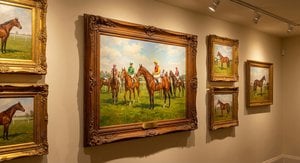
Descubre las 25 obras maestras de Alfred Munnings, el pintor británico de caballos por excelencia. Explora su impresionismo inglés, escenas campestres y técnica única. Encuentra reproducciones de arte de alta calidad en WahooArt.com.

Explore the captivating art of James Netherlands (1799-1870). Discover his stunning Venetian scenes & landscapes, bridging Romanticism and Impressionism. Learn about his technique, legacy, and key works like 'Rotterdam' at WahooArt.

Explore the fascinating career of James Northcote, bridging Rococo elegance with early British realism. Discover his portraits, Shakespeare Gallery works & insightful art criticism. Learn more at WahooArt.

 Ver en contexto
 Enviar
 Compartir
 Detalles

 Descargar
 Similares
 Radiografía
 Presentación de diapositivas
 Ver más







 La opción de vidrio solo está disponible en tamaños inferiores a 110 cm.


