Asesoría de arte gratuita

x
Comprar impresión Comprar impresiónComprar imagen en alta resolución Comprar imagen en alta resolución EnviarEnviar
DetallesDetalles Añadir a favoritos Añadir a favoritos DescargarDescargar SimilaresSimilares Rayos XRayos X Presentación de diapositivasPresentación de diapositivas

Lust

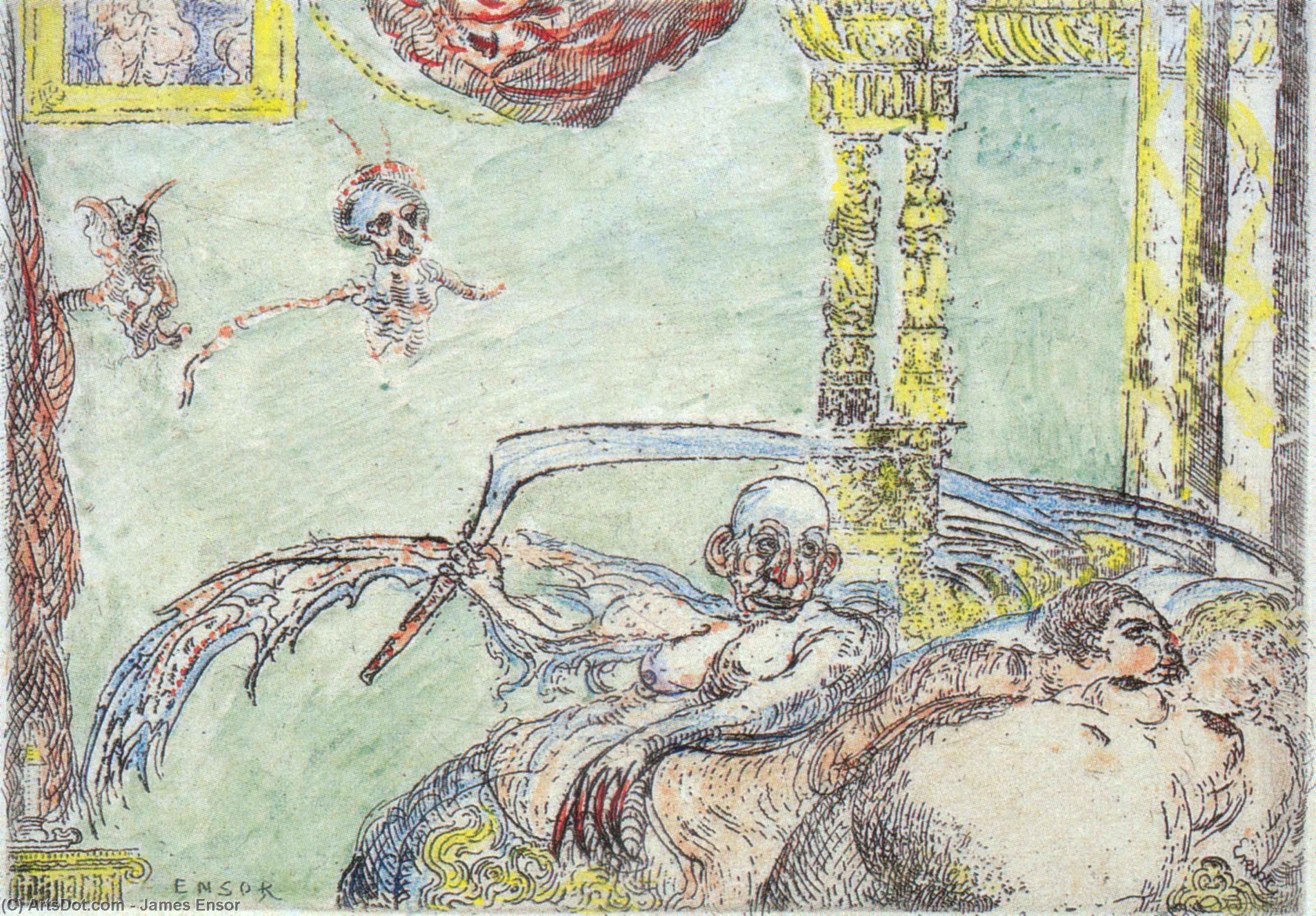
James Ensor's "Lust" (1888) is a haunting black-and-white masterpiece, part of his 'Deadly Sins' series. Explore the unsettling imagery of masks, skeletons, and desire through this iconic Expressionist work.

Descubre a James Ensor (1860-1949), un pionero pintor y grabador belga. Explora sus escenas inquietantes y oníricas de máscaras, carnavales y esqueletos que influyeron profundamente en el Expresionismo y el Surrealismo. #JamesEnsor #Expresionismo #Surrealismo #Bel

Reproducción al óleo hecha a mano

Óleo sobre lienzo pintado a mano en el tamaño y marco de su elección, realizado por encargo por nuestros artistas.

P118B $10
P118H $10
P118W $10
P438Z $10
P508JH $12
P508YH $12
P805H $10
P805Z $10
P919BZ $10
P919G $10
P919XJ $10
P959ZH $10
P968JZ $12
W106C $8
W218G $10
W218JH $8
W218Y $10
W307PJ $10
W316G $10
W316PJ $8
W316Y $10
W398PJ $8
W4111J $10
W500HY $15
W500JH $15
W692G $12
W849H $8
W940BG $15
W953PJ $8

Standard
custom
CM
INCH

Elija entre nuestros tamaños predefinidos que respetan las proporciones originales de la obra.

ancho
altura

Puede ingresar sus propias dimensiones para adaptarse a un marco o espacio específico. Si el tamaño seleccionado no coincide con las proporciones de la imagen original, recortaremos la obra o extenderemos la pintura con elementos adicionales pintados a mano. Se le enviará una maqueta digital para su aprobación antes de comenzar la producción.
Tenga en cuenta que la vista previa en pantalla no refleja el recorte o la extensión reales. Solo la maqueta mostrará con precisión la composición final.
Si bien existen tamaños personalizados, recomendamos seleccionar una dimensión de la lista predefinida para preservar las proporciones originales.

Ejemplos de lo que se puede personalizar: Reemplace el rostro con una foto del cliente; Agregue una mascota (por ejemplo, cambie un gato por un perro); Incluya un mensaje oculto en el fondo; Cambie el paisaje o los elementos del fondo.
Tras realizar el pedido, el equipo de WahooArt.com enviará un correo electrónico al cliente para solicitar instrucciones y proporcionarle una vista previa del boceto.

Entrega mundial () en 3-4 semanas en lugar de las 5 semanas estándar. (2 julio). Sin compromisos con la calidad.

why_choose_icon
Envío exprés gratuito a todo el mundo
why_choose_icon
Lienzo de lino de alta calidad
why_choose_icon
Seguro de envío total
why_choose_icon
Garantía de reembolso de impuestos aduaneros
why_choose_icon
Garantía de fidelidad de color
why_choose_icon
Política de devolución de 60 días (solo por defectos)
why_choose_icon
Garantía de devolución del 100% del dinero
why_choose_icon
Descuento por pedido múltiple

Precio total

-

reproduction

Lust

Técnica de reproducción

Tamaño de la reproducción

-

Precio total final

-

Datos clave

  • Artistic style: Symbolic & Surreal
  • Notable elements: Grotesque figures
  • Movement: Expressionism
  • Artist: James Ensor
  • Medium: Etching, heightened
  • Title: Lust
  • Influences:
    • Masks
    • Carnivals

Descripción de la obra

James Ensor’s *Lust*: A Descent into Grotesque Carnival

James Ensor's 1888 painting, *Lust*, is not merely a depiction of a clandestine encounter; it’s a meticulously constructed descent into the unsettling heart of human desire and societal anxieties. Born in Ostend, Belgium, during a period of rapid social change and burgeoning artistic experimentation, Ensor was deeply influenced by his upbringing amidst the vibrant chaos of seaside carnivals – an experience that profoundly shaped his visual language and thematic obsessions. This painting, part of his “Seven Deadly Sins” series, embodies his signature style: a jarring blend of realism and surrealism, populated with grotesque figures, symbolic imagery, and a palpable sense of unease. The work immediately confronts the viewer with a scene both intimate and profoundly disturbing – a young man, partially obscured and skeletal in appearance, seemingly crawling towards a woman whose face is averted, her body swollen and exposed.

Ensor’s technique is masterful in its deliberate ambiguity. He employs a predominantly black-and-white palette, intensifying the drama and stripping away any potential for romanticization. The figures are rendered with sharp, angular lines, contributing to their unsettling quality. Notice the meticulous detail applied to the woman's form – a stark contrast to the almost skeletal depiction of the man, suggesting perhaps an imbalance of power or a critique of societal expectations surrounding female sexuality. The use of heightened white pigment creates a ghostly luminescence, further amplifying the painting’s dreamlike and slightly nightmarish atmosphere. The background is deliberately blurred, drawing attention to the central figures and creating a sense of claustrophobia.

The Carnival of Masks and Mortality

*Lust* is inextricably linked to Ensor's fascination with masks – objects he’d encountered frequently in his childhood spent amidst Ostend’s bustling carnival scene. These masks, representing hidden identities and concealed emotions, became a recurring motif throughout his oeuvre. In this painting, they are not simply decorative elements but rather symbolic representations of the deceptive nature of desire. The man's obscured features, combined with the woman’s averted gaze, suggest a deliberate concealment, a performance of sorts – a carefully constructed facade masking deeper anxieties and vulnerabilities. The presence of a skeletal figure lurking in the background reinforces the theme of mortality, reminding us that even within the fleeting pleasures of lust, death and decay are ever-present.

Furthermore, *Lust* can be interpreted as a commentary on Victorian societal constraints surrounding sexuality. The scene unfolds in secrecy, hinting at repressed desires and the hypocrisy prevalent in bourgeois society. The inclusion of a time skeleton – a recurring figure in Ensor’s work – serves as a visual reminder of the relentless passage of time and the inevitable consequences of indulging in such forbidden impulses. It's a potent symbol of judgment and the awareness that our actions have repercussions.

Symbolism and Emotional Resonance

Beyond its immediate depiction, *Lust* is rich with symbolic meaning. The umbrella, positioned centrally within the composition, could represent protection or concealment – perhaps shielding the illicit encounter from observation. The bird perched above, a common motif in Ensor’s work, often symbolizes both freedom and danger, adding another layer of complexity to the scene. The overall effect is profoundly unsettling, evoking feelings of anxiety, vulnerability, and moral ambiguity. It's not a painting that offers easy answers or comforting resolutions; instead, it compels us to confront uncomfortable truths about human nature.

James Ensor’s *Lust* remains a powerfully evocative work, demonstrating his mastery of unsettling imagery and symbolic representation. It is a testament to the artist's ability to capture the darker aspects of the human experience – desire, guilt, and mortality – within a meticulously crafted and deeply resonant composition. WahooArt offers exceptional hand-painted reproductions that faithfully capture the nuances of this extraordinary painting, allowing you to bring its haunting beauty into your home or office.


Biografía del artista

vida temprana y trayectoria artística

James Sidney Edouard, Baron Ensor, un destacado pintor y grabador belga, nació el 13 de abril de 1860 en Ostend, Bélgica. Su vida temprana estuvo marcada por un trasfondo cultural diverso, con un padre inglés, James Frederic Ensor, y una madre belga, María Caterina Haegheman. Falta de interés en los estudios académicos tradicionales, Ensor abandonó la escuela a los quince años para dedicarse al arte, recibiendo formación con pintores locales y posteriormente estudiando en la Academia Real de Bellas Artes en Bruselas.

Estilo artístico y temas

El estilo artístico de Ensor se caracterizó por su exploración de la mente inconsciente e imágenes oníricas, lo que influyó significativamente en el expresionismo y el surrealismo. Sus pinturas a menudo presentaban asuntos extraños, incluyendo carnavales, máscaras, teatro de marionetas, esqueletos y alegorías fantásticas. Obras notables incluyen Las Máscaras Escandalizadas (1883) y Esqueletos luchando por un ahorcado (1891), que muestran su mezcla única de lo grotesco y lo fantástico.

Reconocimiento y legado

A pesar de la resistencia inicial, la obra de Ensor ganó gradualmente aceptación y elogios. Para 1920, era el tema de importantes exposiciones; en 1929, fue nombrado barón por el rey Alberto, y en 1933, recibió la Legión de Honor. Su legado como figura pionera en el arte moderno es evidente en su influencia en movimientos artísticos posteriores, incluyendo el expresionismo y el surrealismo.

Obras clave y exposiciones

* La Intriga (90 x 150 cm, Museo Real de Bellas Artes, Amberes, Bélgica) * Tribulaciones de San Antonio (1887, ahora en la colección del Museo de Arte Moderno, Nueva York) El estilo innovador y el enfoque audaz de Ensor han dejado una marca indeleble en el mundo del arte moderno.
James Ensor

James Ensor

1860 - 1949 , Bélgica

Datos clave

  • Artistas Influenciados Por Este Artista:
    • Expresionismo
    • Surrealismo
  • Artistas Que Influyeron:
    • Pieter Bruegel el Viejo
    • Francisco Goya
  • Fecha De Muerte: 19 de noviembre de 1949
  • Fecha De Nacimiento: 13 de abril de 1860
  • Lugar De Nacimiento: Ostend, Bélgica
  • Movimiento Artístico: Expresionismo, Surrealismo
  • Nacionalidad: Belga
  • Nombre Completo: James Ensor
  • Obras Notables:
    • Las Máscaras Escandalizadas
    • Esqueletos luchando
    • Tribulaciones de San Antonio
    • Cristo entrando en Bruselas
Explore obras de arte organizadas por temas, estilos y características.