Vista previa Vista previa en RA Encargar reproducción pintada a mano Ver versión en imagen digital Compartir
Ver detalles Guía Añadir a favoritos Descargar Ver artículos similares Radiografía Presentación de diapositivas Estadísticas

The Seine - Evening

Henry Ossawa Tanner's "The Seine - Evening" captures a luminous Parisian night scene with boats and buildings bathed in soft light. Explore this iconic painting by the pioneering African American artist.

Descubre a Henry Ossawa Tanner (1859-1937), pionero afroamericano en el arte realista y religioso. Explora su legado internacional y obra inspiradora.

Giclée / Impresión de arte

Impresiones giclée o en lienzo de calidad de museo con producción rápida y opciones de acabado flexibles. ( Encargar reproducción pintada a mano Ver versión en imagen digital)

P118B $10
P118H $10
P118W $10
P438Z $10
P508JH $12
P508YH $12
P805H $10
P805Z $10
P919BZ $10
P919G $10
P919XJ $10
P959ZH $10
P968JZ $12
W106C $8
W218G $10
W218JH $8
W218Y $10
W307PJ $10
W316G $10
W316PJ $8
W316Y $10
W398PJ $8
W4111J $10
W500HY $15
W500JH $15
W692G $12
W849H $8
W940BG $15
W953PJ $8

Estándar
personalizado
CM
INCH

Elija entre nuestros tamaños predefinidos que respetan las proporciones originales de la obra.

ancho
altura

Puede introducir sus propias dimensiones para adaptarse a un marco o espacio específico. Si el tamaño seleccionado no coincide con las proporciones de la imagen original, recortaremos la obra de arte o extenderemos la imagen con un borde con efecto espejo o de color sólido. Se enviará una maqueta digital para su aprobación antes de que comience la producción.
Tenga en cuenta que la vista previa en pantalla no refleja el recorte o la extensión real. Solo la maqueta mostrará con precisión la composición final.
Aunque existen tamaños personalizados, recomendamos seleccionar una dimensión de la lista predefinida para preservar las proporciones originales.

Envío a todo el mundo () en 2 semanas en lugar de las 4/5 semanas estándar. (21 septiembre)

why_choose_icon
Envío exprés gratuito a todo el mundo
why_choose_icon
Lienzo de lino de alta calidad
why_choose_icon
Seguro de envío completo
why_choose_icon
Garantía de reembolso de impuestos aduaneros
why_choose_icon
Garantía de fidelidad cromática exacta
why_choose_icon
Política de devolución de 100 días (solo por defectos)
why_choose_icon
Garantía de devolución del 100% del dinero
why_choose_icon
Oferta por volumen

Precio total

$ 68

reproduction

The Seine - Evening

Giclée / Impresión de arte

Tamaño de la reproducción

-

Precio total

$ 68

Datos clave

  • Notable elements: Night scene, boats, train
  • Year: 1900
  • Artist: Henry Ossawa Tanner
  • Artistic style: Realism, Impressionism
  • Title: The Seine - Evening
  • Location: Norton Collection

Cuestionario de arte

Cada pregunta tiene una única respuesta correcta.

Pregunta 1:
What is the primary subject depicted in Henry Ossawa Tanner’s ‘The Seine - Evening’?
Pregunta 2:
The painting ‘The Seine - Evening’ is primarily known for which artistic technique?
Pregunta 3:
Henry Ossawa Tanner was notable for being one of the first African American artists to achieve international acclaim. What historical context contributed to this achievement?
Pregunta 4:
The painting ‘The Seine - Evening’ likely reflects Tanner's interest in which artistic movement?
Pregunta 5:
Based on the image description, what element contributes to the painting's overall sense of tranquility?

A Glimpse into Twilight: The Essence of Paris

Henry Ossawa Tanner’s “The Seine – Evening” isn't merely a depiction of a river; it’s a carefully constructed distillation of the soul of Paris at dusk. Painted in 1900, this oil on canvas transports us to the banks of the Seine, capturing not just its physical form but also the palpable sense of romance and quiet contemplation that permeated the city during that era. Tanner, a pioneering African American artist who navigated both artistic and racial barriers with remarkable grace, imbued this scene with an almost dreamlike quality – a testament to his ability to translate observation into profound emotional resonance.

The painting immediately draws the eye to the luminous water, rendered in subtle shades of blue and grey. It’s not a harsh, reflective surface; instead, it possesses a velvety depth, hinting at the secrets held within its currents. The buildings lining the river are suggested rather than precisely defined, their outlines softened by the gathering darkness and the atmospheric haze characteristic of Parisian evenings. This deliberate ambiguity invites the viewer to project their own memories and emotions onto the scene, transforming it into a personal experience.

The Artist’s Hand: Technique and Style

Tanner's mastery lies in his ability to capture light and shadow with exquisite precision. He employs a technique that blends realism with impressionistic touches – a hallmark of his style. Notice the delicate gradations of color, particularly in the reflections shimmering on the water’s surface. He utilizes broken brushstrokes, layering pigments to create texture and depth without sacrificing clarity. The composition is carefully balanced, drawing our eye along the river's flow towards the distant train, a symbol of movement and progress against the backdrop of timeless beauty.

  • Color Palette: Dominated by blues, greys, and subtle browns – evoking the twilight hour.
  • Brushwork: A blend of smooth, blended areas and delicately broken strokes, creating a sense of both realism and atmosphere.
  • Composition: Balanced and flowing, guiding the viewer’s eye along the river's path.

A Reflection of an Era: Historical Context

“The Seine – Evening” was painted during a period of significant social and artistic change in France. The late 19th century witnessed the rise of Impressionism, challenging traditional academic styles and embracing fleeting moments of light and color. Tanner’s work reflects this shift, while simultaneously retaining a strong sense of realism and narrative. He lived and worked primarily in Paris during this time, immersing himself in the vibrant artistic community and drawing inspiration from the city's rich cultural heritage.

Furthermore, it is important to acknowledge Tanner’s position as one of the first African American artists to achieve international recognition. His success was all the more remarkable considering the systemic racism that limited opportunities for Black artists at the time. “The Seine – Evening” stands as a powerful symbol of his perseverance and artistic vision.

Symbolism and Emotional Resonance

Beyond its technical brilliance, "The Seine - Evening" resonates with deeper symbolic meaning. The river itself represents the flow of life, while the darkening sky suggests both mystery and tranquility. The distant train symbolizes progress and connection, yet it also hints at the transient nature of time. The scene evokes a sense of nostalgia – a longing for simpler times and a quiet appreciation for the beauty of everyday moments. It’s a painting that invites contemplation, prompting us to reflect on our own experiences and connections to the world around us.

Reproductions of this captivating artwork offer a wonderful opportunity to bring a touch of Parisian elegance into any space. Its serene atmosphere and evocative imagery make it an ideal choice for living rooms, studies, or any area where you seek a moment of peaceful reflection.


Biografía del artista

Primeros años y educación

  • Nacimiento y Familia: Henry Ossawa Tanner nació el 21 de junio de 1859 en Pittsburgh, Pennsylvania. Su padre, Benjamin Tucker Tanner, fue un destacado obispo en la Iglesia Metodista Africana Episcopal (AME). Su madre, Sarah Elizabeth Tanner, pudo haber nacido esclava en Virginia y escapó a través del Ferrocarril Subterráneo.
  • Interés Temprano por el Arte: Tanner demostró un interés temprano por el arte, lo que lo llevó a buscar una formación formal.
  • Academia de Bellas Artes de Pensilvania: Estudió en la Academia de Bellas Artes de Pensilvania desde 1879, donde fue influenciado por el profesor Thomas Eakins.
  • Traslado a París: Un momento crucial en su carrera ocurrió cuando Tanner se mudó a París en 1891 para estudiar en la Académie Julian. Esto lo expuso a los círculos artísticos franceses y moldeó significativamente su desarrollo como artista.

Estilo Artístico, Temas e Influencias

  • Realismo: El trabajo de Tanner se caracteriza por una fuerte adherencia al realismo, que refleja su deseo de capturar con precisión la esencia de sus sujetos.
  • Influencias: Su estilo artístico estuvo fuertemente influenciado por las enseñanzas de Thomas Eakins en la Academia de Bellas Artes y posteriormente por las tradiciones europeas, particularmente el arte académico francés e impresionismo. También incorporó elementos del Simbolismo a su obra.
  • Temas Recurrentes: Tanner representaba con frecuencia paisajes, temas religiosos (especialmente escenas de la Biblia) y escenas de la vida cotidiana. Sus experiencias en Francia influyeron significativamente en estos temas.
  • Obra Notable - "Daniel en el foso de los leones": La aceptación de “Daniel en el foso de los leones” en el Salón de 1896 marcó un hito importante, demostrando su creciente reconocimiento internacional.

Desarrollo y Logros Artísticos

  • Primeras Obras: Obras tempranas como *La Lección del Banjo* (1893) mostraron su capacidad para representar la vida afroamericana con dignidad y sensibilidad, apartándose de los estereotipos prevalecientes de la época.
  • Pinturas Religiosas: Tanner alcanzó fama internacional por sus pinturas religiosas, incluyendo *Cristo caminando sobre el agua* (c. 1910), *La Resurrección de Lázaro* (1896) y *El Buen Pastor*. Estas obras demostraron su dominio de la luz, la composición y la narración visual.
  • Obras Posteriores: Más adelante en su carrera, exploró temas relacionados con la Primera Guerra Mundial, creando pinturas y dibujos que representaban el frente de batalla e incluso retratando a soldados afroamericanos, un tema poco común para esa época.
  • Vistas Panorámicas: También creó vistas panorámicas como *La Vista Panorámica del Palacio y los Jardines de Versalles*.

Significado Histórico y Legado

  • Primer Artista Afroamericano en Alcanzar Reconocimiento Internacional: Tanner ocupa un lugar único en la historia del arte como el primer artista afroamericano en lograr un amplio reconocimiento internacional.
  • Rompiendo Barreras: Su éxito ayudó a allanar el camino para las generaciones futuras de artistas afroamericanos, desafiando barreras y estereotipos raciales dentro del mundo del arte.
  • Influencia en el Arte Americano: La influencia de Tanner se puede ver en varios aspectos del arte estadounidense, desde su compromiso con el realismo hasta su exploración de temas espirituales.
  • Reconocimiento y Honores: Fue nombrado caballero de la Legión de Honor por el gobierno francés en 1923 y se convirtió en miembro pleno de la Academia Nacional de Diseño en 1927.
  • Muerte y Recuerdos: Henry Ossawa Tanner falleció en París el 25 de mayo de 1937, dejando atrás un legado como artista pionero que trascendió las barreras raciales y enriqueció el mundo del arte.
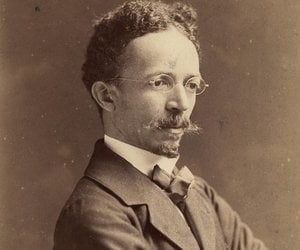
Henry Ossawa Tanner

Henry Ossawa Tanner

1859 - 1937 , Estados Unidos de América

Datos clave

  • Artistas Influenciados: ['Artistas afroamericanos']
  • Artistas Que Influyeron: ['Thomas Eakins']
  • Fecha De Fallecimiento: 25 de mayo de 1937
  • Fecha De Nacimiento: 21 de junio de 1859
  • Lugar De Nacimiento: Pittsburgh, Estados Unidos
  • Movimiento Artístico: Realismo americano
  • Nacionalidad: Estadounidense
  • Nombre Completo: Henry Ossawa Tanner
  • Obras Notables:
    • Cristo caminando sobre el agua
    • Vista panorámica de Versalles
    • Daniel en la guarida de leones
    • La resurrección de Lázaro
Explore obras de arte organizadas por temas, estilos y características.