Asesoría de arte gratuita

x
Comprar impresión Comprar impresiónComprar imagen en alta resolución Comprar imagen en alta resolución EnviarEnviar
DetallesDetalles Añadir a favoritos Añadir a favoritos DescargarDescargar SimilaresSimilares RadiografíaRadiografía Presentación de diapositivasPresentación de diapositivas

Program for Down with Progress (A bas le progrès ), Miss Julie (Mademoiselle Julie) and The Brazilian Household (Le Ménage Brésile) from The Beraldi Album of Theatre Programs

  • Fecha de creación1893
  • Dimensiones24.0 x 32.0 cm

Henri Gabriel Ibels fue un pintor francés miembro del movimiento Nabis conocido por sus ilustraciones y grabados impresionantes que capturan la vida parisina – cafés, circos y escenas cotidianas. Influenciado por artistas como Daumier y los estampados japoneses, Ibels creó obras maestras que reflejan una visión innovadora de su época.

Reproducción al óleo hecha a mano

Óleo sobre lienzo pintado a mano en el tamaño y marco de su elección, realizado por encargo por nuestros artistas.

Standard
custom
CM
INCH

Elija entre nuestros tamaños predefinidos que respetan las proporciones originales de la obra.

ancho
altura

Puede ingresar sus propias dimensiones para adaptarse a un marco o espacio específico. Si el tamaño seleccionado no coincide con las proporciones de la imagen original, recortaremos la obra o extenderemos la pintura con elementos adicionales pintados a mano. Se le enviará una maqueta digital para su aprobación antes de comenzar la producción.
Tenga en cuenta que la vista previa en pantalla no refleja el recorte o la extensión reales. Solo la maqueta mostrará con precisión la composición final.
Si bien existen tamaños personalizados, recomendamos seleccionar una dimensión de la lista predefinida para preservar las proporciones originales.

Ejemplos de lo que se puede personalizar: Reemplace el rostro con una foto del cliente; Agregue una mascota (por ejemplo, cambie un gato por un perro); Incluya un mensaje oculto en el fondo; Cambie el paisaje o los elementos del fondo.
Tras realizar el pedido, el equipo de WahooArt.com enviará un correo electrónico al cliente para solicitar instrucciones y proporcionarle una vista previa del boceto.

Entrega mundial () en 3-4 semanas en lugar de las 5 semanas estándar. (14 julio). Sin compromisos con la calidad.

why_choose_icon
Envío exprés gratuito a todo el mundo
why_choose_icon
Lienzo de lino de alta calidad
why_choose_icon
Seguro de envío total
why_choose_icon
Garantía de reembolso de impuestos aduaneros
why_choose_icon
Garantía de fidelidad de color
why_choose_icon
Política de devolución de 60 días (solo por defectos)
why_choose_icon
Garantía de devolución del 100% del dinero
why_choose_icon
Descuento por pedido múltiple

Precio total

-

reproduction

Program for Down with Progress (A bas le progrès ), Miss Julie (Mademoiselle Julie) and The Brazilian Household (Le Ménage Brésile) from The Beraldi Album of Theatre Programs

Técnica de reproducción

Tamaño de la reproducción

-

Precio total final

-


Biografía del artista

Henri Gabriel Ibels: A Parisian Visionary

Henri Gabriel Ibels (1867–1936) stands as a pivotal figure in the Nabis movement, a collective of French artists who challenged academic conventions and embraced expressive abstraction alongside meticulous observation. Born in Paris, Ibels’ artistic journey began amidst the vibrant intellectual ferment of Belle Époque France—a period defined by rapid industrialization, social upheaval, and burgeoning avant-garde sensibilities. His formative years were spent studying at the Académie Julian with Pierre Bonnard and Édouard Vuillard, absorbing the stylistic precepts that would shape his distinctive visual language.Vuillard’s influence is particularly evident in Ibels' muted palettes and subtle tonal gradations, reflecting a shared commitment to capturing fleeting moments of everyday life—a dedication that distinguishes him from the more polished styles dominating the artistic landscape of his era. Early Influences: Ibels’ artistic sensibilities were profoundly impacted by Honoré Daumier, whose unflinching realism and satirical commentary served as an inspiration for Ibels’ own graphic explorations. Daumier's uncompromising gaze at social injustices instilled in Ibels a desire to confront uncomfortable truths through his art—a conviction that would permeate his oeuvre throughout his career. Furthermore, he drew considerable inspiration from Japanese woodcuts—a stylistic trend that championed flattened perspectives and bold compositional arrangements.These elements would become hallmarks of his oeuvre, particularly in his lithographs and posters, demonstrating his mastery of innovative techniques and his willingness to experiment with unconventional visual vocabularies. The Nabi Brotherhood: Ibels joined Les Nabis in 1889 alongside artists like Gauguin, Toulouse-Lautrec, Vallotton, and Bernard—a group united by a desire to forge an independent artistic path away from the constraints of Parisian Salon culture.Their exhibitions at Le Barc de Boutteville gallery became crucial platforms for disseminating their innovative ideas, establishing Ibels as a central voice within the movement and securing his place among the most influential artists of his generation. The Nabis’ rejection of academic formalism signaled a decisive break from artistic tradition—a courageous assertion of creative autonomy that resonated deeply with fellow artists eager to redefine the boundaries of artistic expression. Subject Matter & Technique: Ibels’ artistic focus centered on capturing scenes of Parisian life—cafés, circuses, boxing rings—often depicted with gritty realism and psychological depth. He skillfully employed lithography techniques, utilizing etching plates to achieve remarkable tonal precision and textural nuance. His compositions prioritized simplified forms and expressive lines, mirroring the stylistic ethos of Daumier and prioritizing emotional resonance over photographic accuracy. Ibels’ prints frequently explored themes of urban solitude and human vulnerability—subjects that demanded a nuanced understanding of both visual representation and psychological interpretation. He sought to convey not merely what he saw but also how he felt—a characteristic that distinguishes his work from more purely descriptive styles prevalent during the Belle Époque. Collaboration & Legacy: Ibels’ partnership with Toulouse-Lautrec proved particularly fruitful, resulting in collaborative artworks that cemented both artists' reputations as champions of modern artistic expression. Their combined vision captured the energy and dynamism of Parisian nightlife—a testament to their ability to synthesize disparate influences into a unified aesthetic statement. Ibels’ contribution to theatrical productions further solidified his role as a multidisciplinary innovator, demonstrating his versatility and commitment to pushing creative boundaries.His enduring legacy resides not merely in the aesthetic beauty of his artworks but also in their profound engagement with the anxieties and aspirations of his time—a Parisian visionary who bravely embraced abstraction while retaining an unwavering dedication to portraying the complexities of everyday experience. His prints continue to inspire artists today, serving as a reminder that true artistic achievement lies in confronting challenging subjects with honesty and compassion.
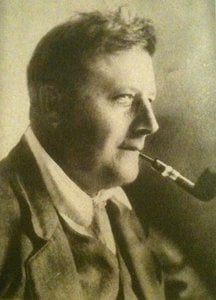
Henri Gabriel Ibels

Henri Gabriel Ibels

1867 - 1936 , Francia

Datos clave

  • Artistic Movement Or Style: Nabis
  • Artists Or Movements Influenced By This Artist: ['Henri de Toulouse-Lautrec']
  • Artists Who Influenced This Artist:
    • Honoré Daumier
    • Paul Gauguin
  • Date Of Birth: 1867
  • Date Of Death: 1936
  • Full Name: Henri Gabriel Ibels
  • Nationality: Francés
  • Notable Artworks:
    • Lovers in an Arbor
    • Programa para Los Tejedores
  • Place Of Birth: Paris, Francia