x
Ver en contextoVer en contexto Vista previa en RAVista previa en RA Comprar pintura hecha a mano Comprar pintura hecha a manoComprar imagen Comprar imagen EnviarEnviar
DetallesDetalles Añadir a favoritos Añadir a favoritos DescargarDescargar SimilaresSimilares RadiografíaRadiografía Presentación de diapositivasPresentación de diapositivas

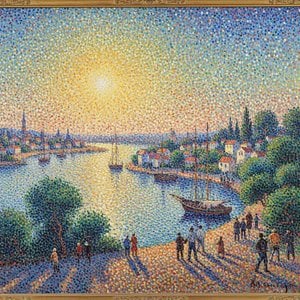
The Flowered Trees

Experience the ethereal beauty of Henri Edmond Cross’s ‘The Flowered Trees,’ a masterpiece of Neo-Impressionism showcasing vibrant color palettes and atmospheric landscapes. Order your high-quality art reproduction today!

Descubre a Henri Edmond Cross (1856-1910), maestro neoimpresionista y precursor del Fauvismo! Paisajes vibrantes, técnicas puntillistas e ideales anarquistas.

Giclée / Impresión de arte

Impresiones giclée o en lienzo de calidad de museo con producción rápida y opciones de acabado flexibles. (Comprar pintura hecha a mano Comprar pintura hecha a manoComprar imagen Comprar imagen)

P118B $10
P118H $10
P118W $10
P438Z $10
P508JH $12
P508YH $12
P805H $10
P805Z $10
P919BZ $10
P919G $10
P919XJ $10
P959ZH $10
P968JZ $12
W106C $8
W218G $10
W218JH $8
W218Y $10
W307PJ $10
W316G $10
W316PJ $8
W316Y $10
W398PJ $8
W4111J $10
W500HY $15
W500JH $15
W692G $12
W849H $8
W940BG $15
W953PJ $8

Estándar
a medida
CM
INCH

Elija entre nuestros tamaños predefinidos que respetan las proporciones originales de la obra.

ancho
altura

Puede introducir sus propias dimensiones para adaptarse a un marco o espacio específico. Si el tamaño seleccionado no coincide con las proporciones de la imagen original, recortaremos la obra de arte o extenderemos la imagen con un borde con efecto espejo o de color sólido. Se enviará una maqueta digital para su aprobación antes de que comience la producción.
Tenga en cuenta que la vista previa en pantalla no refleja el recorte o la extensión real. Solo la maqueta mostrará con precisión la composición final.
Aunque existen tamaños personalizados, recomendamos seleccionar una dimensión de la lista predefinida para preservar las proporciones originales.

Envío a todo el mundo () en 2 semanas en lugar de las 4/5 semanas estándar. (1 septiembre)

why_choose_icon
Envío exprés gratuito a todo el mundo
why_choose_icon
Lienzo de lino de alta calidad
why_choose_icon
Seguro de envío total
why_choose_icon
Garantía de reembolso de impuestos aduaneros
why_choose_icon
Garantía de fidelidad cromática exacta
why_choose_icon
Política de devolución de 60 días (solo por defectos)
why_choose_icon
Garantía de devolución del 100% del dinero
why_choose_icon
Descuento por cantidad

Precio total

$ 68

reproduction

The Flowered Trees

Giclée / Impresión de arte

Dimensiones de la reproducción

-

Precio total final

$ 68

Datos clave

  • Title: The Flowered Trees
  • Notable elements: Floral, figures
  • Movement: Neo-Impressionism
  • Year: 1905
  • Artistic style: Naturalistic, serene
  • Subject or theme: Nature's beauty

A Symphony of Light and Bloom: Henri Edmond Cross’s “The Flowered Trees”

Henri Edmond Cross's "The Flowered Trees," painted in 1905, is more than just a depiction of a tranquil landscape; it’s a profound meditation on the relationship between light, color, and the human experience. This captivating work, brimming with vibrant blossoms and serene figures, offers a window into the burgeoning Neo-Impressionist movement and the artist's deeply personal quest for artistic expression. Born in Douai, France, Cross’s journey began with classical training under Carolus-Duran, a foundation he skillfully adapted to his own revolutionary vision. The painting exemplifies this transition – a masterful blend of traditional observation and innovative technique that anticipates the radical shifts occurring within the art world at the turn of the century.

  • Subject Matter: The scene is dominated by a profusion of flowering trees, rendered with an almost obsessive attention to detail. The sheer abundance of blossoms – likely inspired by the gardens surrounding his home – speaks to a desire to capture and celebrate the ephemeral beauty of nature.
  • Composition: Two figures are integrated into the landscape, adding a human element to the idyllic scene. Their presence suggests contemplation and appreciation for the natural world, inviting the viewer to share in their peaceful observation.

Neo-Impressionism and the Pursuit of Color

"The Flowered Trees" is firmly rooted within the Neo-Impressionist movement, a reaction against the loose brushwork and subjective interpretations of Impressionism. Cross, like his fellow Neo-Impressionists, embraced the scientific theories of Michel Eugène Chevreul regarding color contrast and simultaneous juxtaposition. This approach is vividly evident in the painting’s palette – the intense blues and purples of the shadows are dramatically offset by the fiery oranges and yellows of the blossoms, creating a dynamic visual effect that pulsates with life. The use of small, unmixed strokes of pure color, meticulously layered to create an optical illusion of shimmering light, is characteristic of this technique.

Symbolism and Emotional Resonance

Beyond its technical brilliance, "The Flowered Trees" resonates with a deep sense of serenity and optimism. The abundance of flowers – often associated with beauty, fertility, and rebirth – suggests a celebration of life’s joys. The figures, seemingly lost in contemplation, evoke a feeling of quiet reflection and connection to the natural world. Cross's ability to capture this emotional atmosphere is testament to his artistic sensitivity and his profound understanding of the power of color to convey meaning.

A Legacy of Light

Painted just before Cross’s death in 1910, “The Flowered Trees” represents a culmination of his artistic journey. It stands as a powerful example of Neo-Impressionism's innovative approach to color and composition, while simultaneously revealing the artist's deeply personal vision. A hand-painted reproduction offers an unparalleled opportunity to experience the full impact of this remarkable work – a timeless testament to the beauty of light, color, and nature’s enduring allure.


Biografía del artista

Vida Temprana y Educación

  • Nacimiento: Douai, Francia (1856)
  • Fallecimiento: 1910
  • Henri-Edmond-Joseph Delacroix nació en Douai, una comuna en el departamento de Nord en el norte de Francia. Sus padres fueron Alcide Delacroix y la británica Fanny Woollett.
  • En 1865, la familia se mudó a Lille. Recibió instrucción artística temprana del Dr. Auguste Soins, quien reconoció su talento y financió lecciones con Carolus-Duran durante un año.
  • Estudió en la École des Beaux-Arts e ingresó a las Écoles Académiques de Dessin et d'Architecture en 1878, estudiando bajo Alphonse Colas. Su educación continuó con Émile Dupont-Zipcy después de mudarse a París en 1881.

Carrera Artística Temprana y Cambios de Nombre

  • Inicialmente produjo retratos y bodegones influenciados por el Realismo.
  • Para distinguirse de Eugène Delacroix, cambió su nombre a "Henri Cross" en 1881.
  • Co-fundó la Société des Artistes Indépendants en 1884, mostrando artistas disgustados con el Salón oficial.
  • Sus primeras obras mostraron influencias de Jules Bastien-Lepage y Édouard Manet.
  • Alrededor de 1886, para diferenciarse de Henri Cros, adoptó el nombre "Henri-Edmond Cross".

Desarrollo del Neoimpresionismo y Obras Clave

  • Alrededor de 1886, influenciado por Georges Seurat y Paul Signac, comenzó a explorar el Neoimpresionismo.
  • Pasó los inviernos en el sur de Francia desde 1883 en adelante, mudándose permanentemente allí en 1891 debido al reumatismo.
  • Desarrolló una "segunda generación" del Neoimpresionismo con pinceladas más grandes y cuadradas en lugar de puntos puntillistas.

  • Obras notables incluyen:
    • Retrato de sí mismo (pintado alrededor de 1881) - Demuestra influencias realistas tempranas y un homenaje a Gustave Courbet.
    • Retratos de Madame Hector France, nacida Irma Clare (alrededor de 1891) – Muestra su adopción del Neoimpresionismo.
  • Su trabajo influyó significativamente en Henri Matisse y otros artistas que contribuyeron al desarrollo del Fauvismo.

Influencias y Significado Histórico

  • Influencias: Jules Bastien-Lepage, Édouard Manet, Claude Monet, Camille Pissarro, Georges Seurat, Paul Signac.
  • Impacto en el Fauvismo: El uso de colores no locales y formas distorsionadas por Cross allanó el camino para las paletas vibrantes y el trabajo expresivo característico de la pintura fauvista.
  • Ideología Anarquista: Sus creencias anarquistas se reflejan en sus representaciones de escenas rurales idílicas, promoviendo una visión de coexistencia armoniosa.

Años Posteriores y Legado

  • Tuvo su primera exposición individual en la Galerie Druet en 1905.
  • Una retrospectiva de su trabajo fue organizada por Félix Fénéon en la Galerie Bernheim-Jeune en 1908.
  • Falleció a causa del cáncer en Saint-Clair en 1910.
  • Henri Edmond Cross es recordado como una figura clave en el Neoimpresionismo y un precursor significativo del Fauvismo, dejando un impacto duradero en el desarrollo del arte moderno.
Henri Edmond Cross

Henri Edmond Cross

1856 - 1910 , Francia

Datos clave

  • Artistas Influenciados:
    • Henri Matisse
    • Fauvismo
  • Artistas Que Influyeron:
    • Jules Bastien-Lepage
    • Édouard Manet
    • Claude Monet
    • Camille Pissarro
    • Georges Seurat
    • Paul Signac
  • Fecha De Fallecimiento: 16 de mayo de 1910
  • Fecha De Nacimiento: 20 de mayo de 1856
  • Lugar De Nacimiento: Douai, Francia
  • Movimiento Artístico: Neoimpresionismo
  • Nacionalidad: Francés
  • Nombre Completo: Henri Edmond Cross
  • Obras Notables:
    • Autorretrato (c. 1881)
    • Retrato de Madame Hector France
Explore obras de arte organizadas por temas, estilos y características.