Ver en contextoVer en contexto Vista previa en RAVista previa en RA Cambiar a Impresión Cambiar a ImpresiónCambiar a imagen digital Cambiar a imagen digital EnviarEnviar
DetallesDetalles Añadir a favoritos Añadir a favoritos DescargarDescargar SimilaresSimilares RadiografíaRadiografía Presentación de diapositivasPresentación de diapositivas EstadísticasEstadísticas

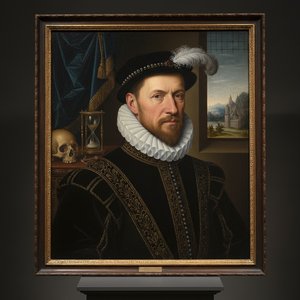
Sin título (3007)

Descubre la maestría realista y psicológica de Hans Holbein el Joven en esta obra emblemática, 'Sin título (3007)', una representación fascinante de una mujer que captura la esencia del retrato renacentista.

Hans Holbein el Joven (1497-1543): Maestro del Renacimiento norteño, reconocido por su realismo vívido y por capturar la realeza Tudor como Enrique VIII. Explore sus detallados estudios, composiciones innovadoras y su legado perdurable.

Reproducción al óleo hecha a mano

Óleo sobre lienzo pintado a mano en el tamaño y marco de su elección, realizado por encargo por nuestros artistas. (Cambiar a Impresión Cambiar a ImpresiónCambiar a imagen digital Cambiar a imagen digital)

P118B $10
P118H $10
P118W $10
P438Z $10
P508JH $12
P508YH $12
P805H $10
P805Z $10
P919BZ $10
P919G $10
P919XJ $10
P959ZH $10
P968JZ $12
W106C $8
W218G $10
W218JH $8
W218Y $10
W307PJ $10
W316G $10
W316PJ $8
W316Y $10
W398PJ $8
W4111J $10
W500HY $15
W500JH $15
W692G $12
W849H $8
W940BG $15
W953PJ $8

Estándar
a medida
CM
INCH

Elija entre nuestros tamaños predefinidos que respetan las proporciones originales de la obra.

ancho
altura

Puede ingresar sus propias dimensiones para adaptarse a un marco o espacio específico. Si el tamaño seleccionado no coincide con las proporciones de la imagen original, recortaremos la obra o extenderemos la pintura con elementos adicionales pintados a mano. Se le enviará una maqueta digital para su aprobación antes de comenzar la producción.
Tenga en cuenta que la vista previa en pantalla no refleja el recorte o la extensión reales. Solo la maqueta mostrará con precisión la composición final.
Si bien existen tamaños personalizados, recomendamos seleccionar una dimensión de la lista predefinida para preservar las proporciones originales.

Ejemplos de lo que se puede personalizar: Reemplace el rostro con una foto del cliente; Agregue una mascota (por ejemplo, cambie un gato por un perro); Incluya un mensaje oculto en el fondo; Cambie el paisaje o los elementos del fondo.
Tras realizar el pedido, el equipo de WahooArt.com enviará un correo electrónico al cliente para solicitar instrucciones y proporcionarle una vista previa del boceto.

Envío a todo el mundo () en 3-4 semanas en lugar de las 5 semanas estándar. (9 septiembre). Sin comprometer la calidad.

why_choose_icon
Envío exprés gratuito a todo el mundo
why_choose_icon
Lienzo de lino de alta calidad
why_choose_icon
Seguro de envío total
why_choose_icon
Garantía de reembolso de impuestos aduaneros
why_choose_icon
Garantía de fidelidad cromática exacta
why_choose_icon
Política de devolución de 100 días (solo por defectos)
why_choose_icon
Garantía de devolución del 100% del dinero
why_choose_icon
Descuento por cantidad

Precio total

$ 272

reproduction

Sin título (3007)

Técnica de reproducción

Dimensiones de la reproducción

-

Precio total final

$ 272

Datos clave

  • Influences: Late Gothic
  • Notable elements or techniques: Realistic portraiture; Psychological depth
  • Artistic style: Detailed realism
  • Movement: Northern Renaissance
  • Medium: Painting
  • Title: untitled (3007)

Test de arte

Cada pregunta tiene una única respuesta correcta.

Pregunta 1:
What artistic movement is Hans Holbein the Younger primarily associated with?
Pregunta 2:
The painting depicts a woman wearing what type of dress?
Pregunta 3:
What is the background wall color in the portrait?
Pregunta 4:
Hans Holbein the Younger's father was a renowned figure in what field?
Pregunta 5:
The painting suggests an indoor setting, specifically referencing...

A Window into Tudor Dignity: Examining Hans Holbein the Younger’s Untitled Portrait

Hans Holbein the Younger's “untitled (3007)” stands as a testament to the meticulous observation and profound psychological understanding that characterized the Northern Renaissance. This portrait, depicting a woman adorned in elegant black drapery accented with shimmering gold trim, transcends mere likeness; it captures an aura of quiet confidence and contemplative grace—qualities deeply rooted in the artistic sensibilities of its era.

  • Subject Matter: The central figure embodies aristocratic femininity. Her gaze directs outwards, suggesting awareness beyond the immediate frame, hinting at a woman of considerable intellect and social standing.
  • Style & Technique: Holbein’s signature style—characterized by unparalleled realism—is evident in every detail. The artist employs sfumato, a technique pioneered during his time, to soften contours and create an illusion of depth, lending the portrait an ethereal quality. Note the subtle gradations of light and shadow that sculpt the woman's face and drapery, conveying texture and volume with remarkable precision.
  • Historical Context: Painted circa 1530-1540 during Henry VIII’s reign, “untitled (3007)” reflects the prevailing artistic tastes of Tudor England—a period marked by opulent patronage and a fascination with humanist ideals. Holbein's work served as propaganda for the monarchy, portraying noblewomen as symbols of virtue and stability amidst turbulent political times.

Symbolism: Layers of Meaning Beyond Appearance

Beyond its visual splendor lies a rich tapestry of symbolism. The gold trim adorning the dress represents wealth and prestige—a visible manifestation of social status within Tudor society. Furthermore, the woman’s posture exudes composure and dignity, reflecting the moral virtues expected of aristocratic women during this period. The small object held in her hand remains enigmatic, prompting speculation about its significance – perhaps a token of remembrance or a symbol of faith.

  • Color Palette: Dominant hues of black and gold create a striking contrast that emphasizes the woman’s regal bearing. Black symbolizes mourning and solemnity, while gold signifies divinity and royal authority—elements carefully interwoven to convey a complex message about status and spirituality.
  • Composition: The portrait's balanced composition reinforces its sense of stability and refinement. The woman is positioned centrally against a muted green wall, providing a harmonious backdrop that complements the color scheme without distracting from the subject’s presence.

Emotional Resonance: Capturing Inner Reflection

"untitled (3007)" isn't merely a depiction of a person; it’s an exploration of inner character—a feat accomplished through Holbein’s masterful use of observation and psychological insight. The woman’s serene expression invites contemplation, prompting viewers to consider themes of grace, dignity, and quiet introspection. This enduring portrait continues to captivate audiences today because it speaks to the timeless human desire for beauty, truth, and understanding—qualities that resonate powerfully across centuries.


Biografía del artista

vida temprana y formación

Hans Holbein el Joven, una figura destacada en la renacimiento norteño, nació en 1497 en Augsburg, Alemania. Aunque a menudo se le confunde con su padre, Hans Holbein el Viejo, un artista y grabador renombrado, la obra del joven Holbein es distinta y notable por sí misma.

carrera artística

La carrera artística de Holbein el Joven comenzó bajo la tutela de su padre. Posteriormente viajó a Inglaterra, donde se convirtió en pintor de corte para el rey Enrique VIII. Esta posición le permitió capturar la esencia de la familia real y la aristocracia inglesa emergente. Su obra se caracteriza por:

obras notables y legado

La obra de Holbein el Joven se encuentra en varios museos, incluido el Museos Estatales de Berlín (Alemania, donde su Señor desconocido con libros de música y laúd (óleo sobre tabla) está en exhibición. Su influencia en el renacimiento norteño es innegable, y su obra continúa inspirando a los artistas hasta el día de hoy. Holbein el Joven falleció en 1543, pero su legado perdura a través de sus cautivadores retratos y estudios detallados. ver más obras de Hans Holbein el Joven en WahooArt.

Hans Holbein el Joven

Hans Holbein el Joven

1497 - 1543 , Italia

Datos clave

  • Artistas Que Influyeron:
    • Hans Holbein el Viejo
    • Albrecht Dürer
  • Estilo Artístico: Renacimiento Nórdico
  • Fecha De Muerte: 1543
  • Fecha De Nacimiento: 1497
  • Lugar De Nacimiento: Augsburgo, Italia
  • Nacionalidad: Alemán
  • Nombre Completo: Hans Holbein el Joven
  • Obras Notables:
    • Retrato de Enrique VIII
    • El cuerpo del Cristo muerto
    • Los embajadores
    • Autorretrato
    • Madonna del Burgomaestre Meyer
Explore obras de arte organizadas por temas, estilos y características.