


Impresiones giclée o en lienzo de calidad de museo con producción rápida y opciones de acabado flexibles. ( Comprar pintura hecha a mano Comprar imagen)





























Elija entre nuestros tamaños predefinidos que respetan las proporciones originales de la obra.

Puede introducir sus propias dimensiones para adaptarse a un marco o espacio específico. Si el tamaño seleccionado no coincide con las proporciones de la imagen original, recortaremos la obra de arte o extenderemos la imagen con un borde con efecto espejo o de color sólido. Se enviará una maqueta digital para su aprobación antes de que comience la producción.
Tenga en cuenta que la vista previa en pantalla no refleja el recorte o la extensión real. Solo la maqueta mostrará con precisión la composición final.
Aunque existen tamaños personalizados, recomendamos seleccionar una dimensión de la lista predefinida para preservar las proporciones originales.
Envío a todo el mundo () en 2 semanas en lugar de las 4/5 semanas estándar. (7 septiembre)


Nature studies (8)
Dimensiones de la reproducción
Giuseppe Arcimboldo (1527 – 1593), Milanese artist, stands apart from his contemporaries not merely for his innovative technique but for the sheer audacity of his artistic vision. While celebrated for grand frescoes adorning churches and stately portraits reflecting aristocratic patronage, Arcimboldo’s fame rests primarily on a series of astonishing composite heads—remarkable sculptures crafted entirely from meticulously arranged fruits, vegetables, flowers, books, and musical instruments.
These weren't frivolous conceits; they were profound meditations on the relationship between humanity and nature, executed within the intellectual framework of the Renaissance. Arcimboldo’s approach challenged conventional artistic conventions by prioritizing observation and symbolic representation over idealized beauty—a deliberate departure from the prevailing Mannerist style that favored stylized forms and exaggerated poses.
Considered a pioneer in trompe-l’œil—the art of illusion—Arcimboldo achieved an unparalleled feat of artistic deception. By transforming disparate elements into a unified whole, he demonstrated the transformative power of imagination and challenged viewers to reconsider their perceptions of reality. The resulting images possess an undeniable emotional resonance – conveying not just visual splendor but also a deep appreciation for the interconnectedness of all living things.
More than simply decorative artworks, Arcimboldo’s portraits are enduring reminders of the Renaissance spirit—a testament to human ingenuity and a celebration of the beauty inherent in the natural world. They continue to inspire artists and collectors alike, securing their place as icons of artistic innovation and intellectual enlightenment.


1527 - 1593 , Italia

Discover the ethereal beauty of watercolor through an art-historical lens. Master the delicate balance of light, fluidity, and pigment to capture the luminous essence of nature, inspired by the legendary techniques of the Old Masters and Impressionist greats.
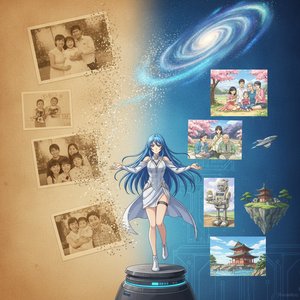
Step into the spotlight with WahooArt's AI-driven transformation. Turn your photos into stunning, hand-painted anime oil masterpieces. Experience the perfect fusion of cutting-edge technology and museum-grade craftsmanship to create a timeless pop-culture legacy for your home.
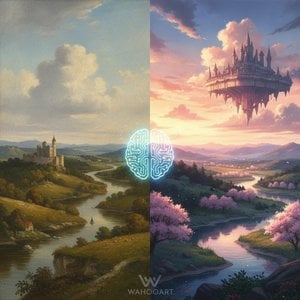
Transform your photos into high-octane action anime masterpieces with WahooArt. Our expert artists blend AI innovation with traditional oil painting to create premium, hand-painted pop culture legacies for your home. Experience museum-quality craftsmanship and a 100% satisfaction guarantee.

Discover the ethereal beauty of premium watercolor reproductions and bespoke commissions at WahooArt. From museum-quality landscapes to custom AI-enhanced portraits, our master artists deliver unparalleled craftsmanship and white-glove service for discerning collectors worldwide.

 Ver en contexto
 Enviar
 Compartir
 Detalles

 Descargar
 Similares
 Radiografía
 Presentación de diapositivas

 Ver más







 La opción de vidrio solo está disponible en tamaños inferiores a 110 cm.


