El Sueño de Venus: Un Reflejo de Belleza y Misterio en la Alta Renacimiento
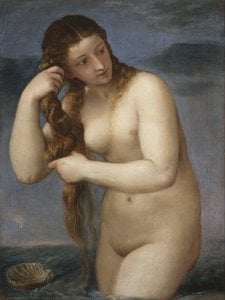
“The Sleeping Venus” by Giorgione, painted in 1510, is not merely a depiction of a nude figure; it’s an immersion into the very heart of Venetian Renaissance aesthetics. This masterpiece, currently residing within the Gemäldegalerie Alte Meister in Dresden, Germany, transcends simple representation, offering instead a profound meditation on beauty, sensuality, and the elusive nature of artistic creation itself. Giorgione, a figure shrouded in biographical mystery – his life tragically cut short at just thirty-two or thirty-three – left behind an astonishingly small body of work, yet each piece pulsates with a unique intensity that continues to captivate viewers centuries later. The painting’s power lies not in precise anatomical detail, but in the masterful orchestration of light, color, and atmosphere, creating an experience far richer than a straightforward portrait.
La Composición y la Técnica: Un Equilibrio Delicado
The scene unfolds with remarkable serenity. Venus lies on her side, partially draped by a crimson cloth, her head resting gently upon her left hand – an exquisite gesture of repose and vulnerability. The landscape behind her is not merely a backdrop; it’s an integral part of the composition, subtly guiding the viewer's eye and contributing to the overall mood. Giorgione’s brushwork is remarkably loose, almost impressionistic for its time, prioritizing the *essence* of the subject over meticulous detail. This technique, characteristic of his style, allows light to dance across the canvas, creating a luminous quality that seems to emanate from within the painting itself. Notice how he employs sfumato – a blurring effect achieved through layers of translucent paint – particularly around Venus’s form, softening edges and lending an ethereal quality to her skin. The use of oil on canvas allowed for incredible depth and richness in color, something that would have been difficult to achieve with tempera.
Simbolismo y Contexto Histórico: Venecia en el Corazón del Renacimiento
To understand “The Sleeping Venus,” it’s crucial to consider the cultural context in which it was created. Venice, during the early 16th century, was a vibrant hub of artistic and intellectual ferment – a city deeply influenced by classical antiquity yet simultaneously embracing new humanist ideals. The painting reflects this duality perfectly. Venus, of course, is an enduring symbol of beauty, love, and fertility, rooted in Roman mythology. However, Giorgione’s treatment transcends mere mythological representation; he imbues the figure with a palpable sense of human vulnerability and quiet contemplation. The landscape, reminiscent of the Venetian countryside, evokes a feeling of pastoral tranquility – a deliberate contrast to the often turbulent realities of urban life. It's believed that Giorgione was influenced by the works of Leonardo da Vinci and Raphael, absorbing their innovative techniques while forging his own distinct style.
El Impacto Emocional: Un Misterio Persistente
“The Sleeping Venus” is not a painting that shouts for attention; its power lies in its subtle invitation to contemplation. The ambiguity surrounding Giorgione’s life – his identity, his artistic intentions – only adds to the painting's mystique. Some scholars suggest it may have been commissioned by a wealthy Venetian merchant as a wedding gift, while others believe it was created for a private collector. Regardless of its origins, the painting continues to evoke a profound sense of serenity and wonder. It’s a testament to Giorgione’s ability to capture not just the outward appearance of his subjects but also their inner essence – a feat that has secured “The Sleeping Venus” its place as one of the most beloved and enduring works of the High Renaissance.
At WahooArt.com, we offer meticulously crafted hand-painted reproductions of "The Sleeping Venus," allowing you to bring this iconic masterpiece into your home or studio with unparalleled fidelity and beauty. Each reproduction is created by skilled artists using traditional techniques, ensuring that you receive a work of art that truly captures the spirit and emotion of Giorgione’s original.



 Vista previa
 Cambiar a formato impreso
 Compartir
 Compartir
 Ver detalles
 Guía
Guía

 Descargar
 Ver artículos similares
 Radiografía
 Presentación de diapositivas
 Estadísticas


 Leer más






































 La opción de vidrio solo está disponible en tamaños inferiores a 110 cm.