Asesoría de arte gratuita

x
Encargar reproducción Encargar reproducciónComprar imagen en alta resolución Comprar imagen en alta resolución EnviarEnviar
DetallesDetalles Añadir a favoritos Añadir a favoritos DescargarDescargar SimilaresSimilares Rayos XRayos X Presentación de diapositivasPresentación de diapositivas

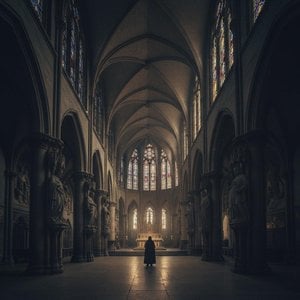
Main Altar

Discover 'Main Altar' by gil de siloe (1496), a stunning late Gothic masterpiece! Admire intricate gold leaf, biblical scenes & Christ iconography. A rare Renaissance artwork for discerning collectors.

Gil de Siloé (c. 1495-1563) fue un escultor español clave del Renacimiento, mezclando estilos gótico italiano y mudéjar. Destaca por la Catedral de Burgos y Granada, fundador de la escuela granadina.

Giclée / Impresión de arte

Impresión giclée o en lienzo de calidad de museo con producción rápida y opciones de acabado flexibles.

Standard
custom
CM
INCH

Elija entre nuestros tamaños predefinidos que respetan las proporciones originales de la obra.

ancho
altura

Puede introducir sus propias dimensiones para adaptarse a un marco o espacio específico. Si el tamaño seleccionado no coincide con las proporciones de la imagen original, recortaremos la obra de arte o extenderemos la imagen con un borde con efecto espejo o de color sólido. Se enviará una maqueta digital para su aprobación antes de que comience la producción.
Tenga en cuenta que la vista previa en pantalla no refleja el recorte o la extensión real. Solo la maqueta mostrará con precisión la composición final.
Aunque existen tamaños personalizados, recomendamos seleccionar una dimensión de la lista predefinida para preservar las proporciones originales.

Entrega mundial () en 2 semanas en lugar de las 4/5 semanas estándar. (4 julio)

why_choose_icon
Envío exprés gratuito a todo el mundo
why_choose_icon
Lienzo de lino de alta calidad
why_choose_icon
Seguro de envío total
why_choose_icon
Garantía de reembolso de impuestos aduaneros
why_choose_icon
Garantía de fidelidad de color
why_choose_icon
Política de devolución de 60 días (solo por defectos)
why_choose_icon
Garantía de devolución del 100% del dinero
why_choose_icon
Descuento por pedido múltiple

Precio total

-

reproduction

Main Altar

Giclée / Impresión de arte

Tamaño de la reproducción

-

Precio total final

-


Biografía del artista

Gil de Siloé: A Renaissance Sculptor Bridging Gothic Tradition and Classical Innovation

Gil de Siloé (c. 1495–1563) stands as a pivotal figure in Spanish Renaissance art, recognized primarily for his mastery of sculpture and his role as the progenitor of the Granadan school—a movement that fused the grandeur of Gothic architecture with the elegance of Italian Classicism and the subtle beauty of Mudéjar ornamentation. Born in Burgos, Spain, around 1495, Siloé’s artistic journey unfolded against the backdrop of a transformative era marked by royal patronage and burgeoning humanist ideals. Despite the scarcity of definitive biographical details—his origins remain debated—scholarly consensus points to him as the son of Gil de Urliones, a renowned Gothic sculptor who had established himself in Burgos decades earlier.

Early Training & Burgos Cathedral: The Genesis of Innovation

Gil de Siloé’s formative years were spent honing his skills under the tutelage of his father, absorbing the stylistic conventions of Gothic sculpture—characterized by intricate detailing, expressive figures, and symbolic representations—a tradition deeply rooted in Castile’s medieval heritage. His most celebrated achievement emerged from this period: the monumental staircase of Burgos Cathedral (1519). This ambitious project exemplifies Siloé's innovative approach, skillfully blending Gothic structural principles with Classical architectural elements. The staircase’s airy design, punctuated by soaring arches and adorned with sculptures depicting cherubs, coats of arms, and vegetal motifs, served as a bold statement against the prevailing stylistic norms—a deliberate challenge to the limitations imposed by conventional Gothic construction techniques. It wasn't merely about building; it was about asserting intellectual superiority through visual grandeur. The influence of Italian Renaissance architects like Filippo Brunelleschi is palpable in Siloé’s meticulous attention to proportion and geometric harmony, a departure from the more organic forms favored by earlier Gothic sculptors.

Naples & The Embrace of Classical Influence

Around 1517, Siloé embarked on a pilgrimage to Naples, Italy—a pivotal moment that exposed him to the burgeoning influence of the Italian Renaissance. This encounter profoundly impacted his artistic sensibilities, prompting him to adopt techniques and stylistic considerations championed by architects like Donato Bramante—specifically, the use of proportion and geometric harmony—elements previously absent from Spanish sculpture. The vibrant colors and decorative schemes prevalent in Neapolitan churches served as a catalyst for Siloé’s experimentation with new materials and visual vocabularies, broadening his artistic horizons beyond the confines of Gothic tradition. He meticulously studied Roman architectural ruins, absorbing lessons in structural stability and aesthetic elegance—knowledge that would inform his subsequent projects.

The Granadan School & Architectural Synthesis

Siloé’s career culminated in Granada, Andalusia, where he spearheaded a revival of Classicism within the region. Commissioned to complete two monumental projects initiated by his predecessors—the Church of Saint Jerome (burial place of the Fernández family) and Granada Cathedral—he skillfully integrated Classical architectural vocabulary into these ambitious undertakings. The dome of Saint Jerome’s church, mirroring the grandeur of Roman basilicas, stands as a testament to Siloé's commitment to embracing the ideals of Renaissance humanism and artistic innovation. He drew inspiration from Mudéjar ornamentation—the decorative style practiced by Muslim artisans under Christian rule—resulting in a visual language that is both sophisticated and deeply rooted in Spanish cultural heritage. This blending of styles represents a remarkable achievement, demonstrating Siloé’s ability to synthesize disparate traditions into a cohesive aesthetic vision.

Legacy & Enduring Influence

Gil de Siloé’s enduring legacy resides not only in his monumental architectural achievements but also in his role as the founder of the Granadan school of sculpture—a movement that irrevocably altered the artistic landscape of Spain and cemented Siloé's place among the foremost sculptors of his time. His pioneering efforts to reconcile Gothic grandeur with Classical harmony continue to inspire artists and scholars alike, ensuring that Gil de Siloé’s contribution to Renaissance art remains vividly present in the annals of Spanish cultural history. He is remembered as a visionary artist who elevated Spanish sculpture to new heights of artistic excellence—a testament to his enduring influence on subsequent generations of sculptors.
Gil de Siloé

Gil de Siloé

1495 - 1563 , España

Datos clave

  • Artistic Movement Or Style: Gótico Isabelino
  • Artists Or Movements Influenced By This Artist: ['Granada']
  • Artists Who Influenced This Artist: ['Diego de Urliones']
  • Date Of Birth: Burgos, España (c. 1495)
  • Date Of Death: 1563
  • Full Name: Gil de Siloé
  • Nationality: Español
  • Notable Artworks:
    • Escalinata Catedral Burgos
    • Tumba Juan II Castilla
  • Place Of Birth: Burgos