


 Oil On CanvasWallArtDutch Golden Age
 1654
1654 70.0 x 60.0 cm
 Staatliche Museen zu Berlin
Óleo sobre lienzo pintado a mano en el tamaño y marco de su elección, realizado por encargo por nuestros artistas. ( Comprar impresión Comprar imagen)





























Elija entre nuestros tamaños predefinidos que respetan las proporciones originales de la obra.

Puede ingresar sus propias dimensiones para adaptarse a un marco o espacio específico. Si el tamaño seleccionado no coincide con las proporciones de la imagen original, recortaremos la obra o extenderemos la pintura con elementos adicionales pintados a mano. Se le enviará una maqueta digital para su aprobación antes de comenzar la producción.
Tenga en cuenta que la vista previa en pantalla no refleja el recorte o la extensión reales. Solo la maqueta mostrará con precisión la composición final.
Si bien existen tamaños personalizados, recomendamos seleccionar una dimensión de la lista predefinida para preservar las proporciones originales.
Envío a todo el mundo () en 3-4 semanas en lugar de las 5 semanas estándar. (6 septiembre). Sin comprometer la calidad.


Paternal Admonition
Dimensiones de la reproducción
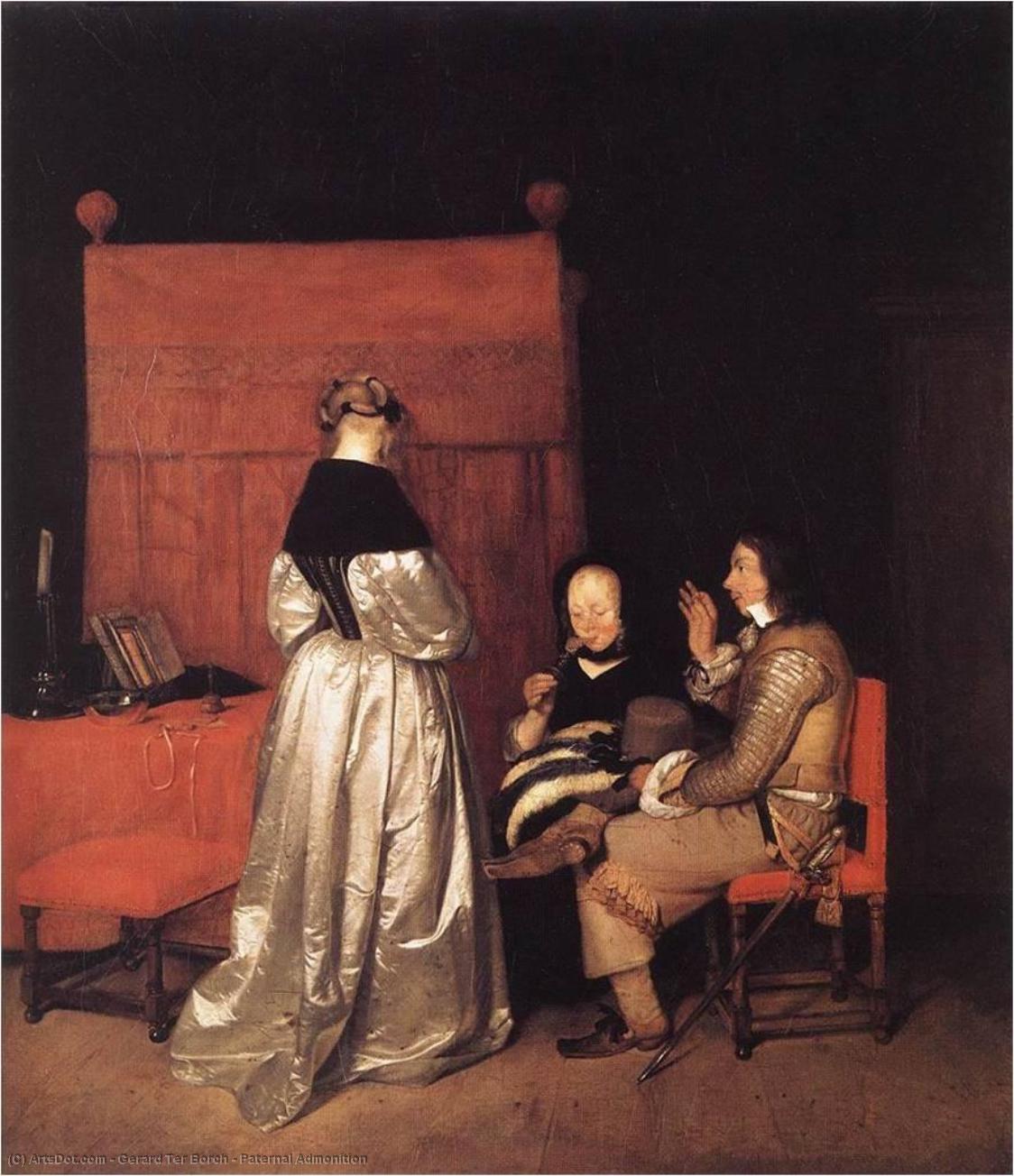
Gerard ter Borch's *Paternal Admonition*, painted around 1654, isn’t merely a portrait; it’s a meticulously crafted tableau of unspoken tension and veiled desire. Within the confines of a modestly furnished room—a subtle blend of domestic comfort and quiet restraint—three figures occupy a space brimming with psychological depth. The painting immediately draws the eye to the woman seated between two men, her posture suggesting both vulnerability and a carefully guarded composure. Her silver satin gown, shimmering with an almost ethereal light, acts as a focal point, demanding attention while simultaneously hinting at a hidden world of pleasure and intrigue.
Ter Borch’s genius lies not in dramatic gestures or overt displays of emotion, but rather in his ability to capture the subtle nuances of human interaction. The man, dressed in the formal attire of a military officer, holds a hat on his lap – a gesture that simultaneously conveys authority and a certain awkwardness. His gaze is directed towards the woman, yet his expression remains ambiguous, leaving us to ponder his intentions. The third figure, partially obscured behind the seated woman, adds another layer of complexity to the scene, suggesting a silent observer or perhaps even a participant in this unspoken exchange.
Technically, *Paternal Admonition* is a remarkable achievement. Ter Borch was a pioneer in Dutch genre painting, renowned for his unparalleled skill in rendering texture and light. He employed a technique of carefully layered glazes to create an astonishingly realistic depiction of fabrics – the luxurious sheen of the satin, the velvet upholstery, even the delicate folds of the woman’s dress are rendered with breathtaking detail. The use of chiaroscuro—the dramatic contrast between light and shadow—further enhances the painting's depth and atmosphere, drawing our attention to key elements while simultaneously creating a sense of mystery.
Notice how the light source seems to originate from an unseen window, casting soft shadows that accentuate the contours of the figures and their surroundings. This masterful manipulation of light not only adds visual interest but also contributes significantly to the painting’s overall mood—a blend of intimacy, restraint, and underlying tension.
The initial interpretation of *Paternal Admonition* as a scene of paternal guidance has been largely superseded by more nuanced readings. While the man undoubtedly holds a position of authority, many scholars now believe that the painting depicts an amorous negotiation between a soldier and a prostitute within a brothel setting. The presence of the bed, the mirror, and the various objects of feminine beauty on the table all lend credence to this interpretation.
However, Ter Borch’s genius lies in his refusal to offer easy answers. He presents us with a scene pregnant with ambiguity, inviting us to interpret the unspoken dynamics between the figures. The woman's averted gaze and the man's hesitant posture suggest a delicate dance of power and desire—a silent conversation that transcends simple categorization.
*Paternal Admonition* offers a fascinating glimpse into the social customs and moral sensibilities of 17th-century Holland. The painting reflects a society where appearances were carefully cultivated, and private interactions often concealed deeper desires. Ter Borch’s ability to capture this complex interplay of public and private life is what makes his work so enduringly captivating.
Reproductions of *Paternal Admonition* can bring this world into your own space, offering a subtle yet powerful reminder of the complexities of human relationships and the enduring allure of unspoken desires. Its quiet intensity and masterful technique make it a truly exceptional addition to any art collection or interior design scheme.

Gerard ter Borch, también conocido como Gerard Terburg, nació en diciembre de 1617 en Zwolle, Países Bajos. Provenía de una familia con inclinaciones artísticas; su padre, Gerard ter Borch el Viejo, era un artista y poeta que fomentó el talento de su hijo desde temprana edad. Se sabe que viajó extensamente por Europa, incluyendo Inglaterra, Alemania, Francia, España e Italia, lo cual amplió sus horizontes artísticos y le expuso a diversas influencias culturales.
Ter Borch recibió su primera formación artística de su padre y posteriormente estudió con Pieter de Molijn en Haarlem. Su estilo se caracterizó por una observación meticulosa de la vida cotidiana, capturando escenas domésticas con gran realismo y atención al detalle. Se distinguió por su habilidad para representar texturas, luces y sombras, creando atmósferas íntimas y evocadoras. Su obra temprana muestra influencias de Pieter Codde y Willem Duyster, especialmente en sus representaciones de guardacaminos. Sin embargo, evolucionó hacia un estilo más refinado y elegante, con interiores serenos y figuras retratadas con una sutil psicología.
Gerard ter Borch ejerció una influencia considerable sobre otros pintores holandeses, incluyendo a Gabriel Metsu, Gerrit Dou, Eglon van der Neer y Johannes Vermeer. Su enfoque innovador en la pintura de género sentó las bases para el desarrollo posterior del arte holandés. Su habilidad para crear atmósferas íntimas y realistas, junto con su atención al detalle y su sutil psicología, lo convirtieron en una figura clave en la historia del arte.
Ter Borch falleció el 8 de diciembre de 1681 en Deventer. Su obra se encuentra actualmente en importantes museos e instituciones alrededor del mundo, incluyendo El Hermitage (con seis obras), el Museo de Berlín (con seis piezas) y el Getty Center (con tres pinturas). Su legado perdura como uno de los pintores más importantes del Siglo de Oro holandés, reconocido por su contribución a la pintura de género y su influencia en generaciones posteriores de artistas.

1617 - 1681 , Países Bajos

Explore the captivating world of Gerard ter Borch, a master of Dutch Golden Age genre painting. Discover his intimate scenes, masterful light, and lasting influence on art history. Learn more at WahooArt.

Descubra la riqueza y el detalle de la pintura barroca holandesa del Siglo de Oro. Explore las obras maestras de Rembrandt, Vermeer y otros artistas clave. Análisis experto e historia cultural.
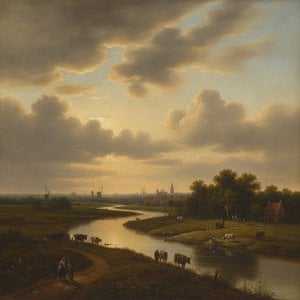
Discover the breathtaking beauty of Dutch Golden Age landscapes. Explore the mastery of light, chiaroscuro, and 17th-century realism through an expert art history lens, celebrating the enduring legacy of the Dutch Masters for discerning collectors and art lovers.

Descubre los 10 imprescindibles del Siglo de Oro Holandés: Rembrandt, Vermeer y más. Explora la historia, técnica y belleza de estos lienzos clásicos. Encuentra reproducciones de arte exclusivas para decorar tu hogar en .

Embark on a cultural journey through the Dutch Golden Age. Explore the masterful interplay of light and shadow in 17th-century masterpieces, from Rembrandt to Vermeer, and discover how this era of profound realism continues to inspire fine art collectors today.

 Ver en contexto
 Enviar
 Compartir
 Detalles

 Descargar
 Similares
 Radiografía
 Presentación de diapositivas
 Ver más







 La opción de vidrio solo está disponible en tamaños inferiores a 110 cm.


