x
Ver en contextoVer en contexto Vista previa en RAVista previa en RA Comprar pintura hecha a mano Comprar pintura hecha a manoComprar imagen Comprar imagen EnviarEnviar
DetallesDetalles Añadir a favoritos Añadir a favoritos DescargarDescargar SimilaresSimilares RadiografíaRadiografía Presentación de diapositivasPresentación de diapositivas

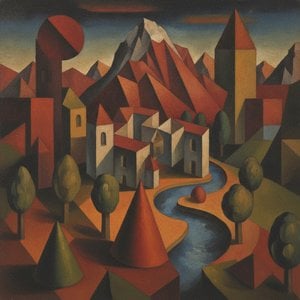
the Chariot

Georges Braque’s Cubist masterpiece ‘The Chariot’ depicts dynamic movement and geometric abstraction—a bold reimagining of traditional form. Exploring themes of power and control amidst a stylized horse-drawn chariot, this iconic artwork invites you to experience the spirit of early 20th century art.

Explore la vida y el arte de Georges Braque (1882-1963), una figura clave en la pintura del siglo XX. Pionero del Cubismo junto a Picasso, conocido por el Fauvismo, el collage y formas geométricas innovadoras. Descubre su legado en WahooArt!

Giclée / Impresión de arte

Impresiones giclée o en lienzo de calidad de museo con producción rápida y opciones de acabado flexibles. (Comprar pintura hecha a mano Comprar pintura hecha a manoComprar imagen Comprar imagen)

P118B $10
P118H $10
P118W $10
P438Z $10
P508JH $12
P508YH $12
P805H $10
P805Z $10
P919BZ $10
P919G $10
P919XJ $10
P959ZH $10
P968JZ $12
W106C $8
W218G $10
W218JH $8
W218Y $10
W307PJ $10
W316G $10
W316PJ $8
W316Y $10
W398PJ $8
W4111J $10
W500HY $15
W500JH $15
W692G $12
W849H $8
W940BG $15
W953PJ $8

Estándar
a medida
CM
INCH

Elija entre nuestros tamaños predefinidos que respetan las proporciones originales de la obra.

ancho
altura

Puede introducir sus propias dimensiones para adaptarse a un marco o espacio específico. Si el tamaño seleccionado no coincide con las proporciones de la imagen original, recortaremos la obra de arte o extenderemos la imagen con un borde con efecto espejo o de color sólido. Se enviará una maqueta digital para su aprobación antes de que comience la producción.
Tenga en cuenta que la vista previa en pantalla no refleja el recorte o la extensión real. Solo la maqueta mostrará con precisión la composición final.
Aunque existen tamaños personalizados, recomendamos seleccionar una dimensión de la lista predefinida para preservar las proporciones originales.

Envío a todo el mundo () en 2 semanas en lugar de las 4/5 semanas estándar. (1 septiembre)

why_choose_icon
Envío exprés gratuito a todo el mundo
why_choose_icon
Lienzo de lino de alta calidad
why_choose_icon
Seguro de envío total
why_choose_icon
Garantía de reembolso de impuestos aduaneros
why_choose_icon
Garantía de fidelidad cromática exacta
why_choose_icon
Política de devolución de 60 días (solo por defectos)
why_choose_icon
Garantía de devolución del 100% del dinero
why_choose_icon
Descuento por cantidad

Precio total

$ 68

reproduction

the Chariot

Giclée / Impresión de arte

Dimensiones de la reproducción

-

Precio total final

$ 68

Datos clave

  • Influences: Paul Cézanne
  • Artist: Georges Braque
  • Movement: Cubism
  • Subject or theme: Horse-drawn chariot
  • Artistic style: Analytical Cubism
  • Notable elements or techniques: Geometric abstraction

A Fragmented Vision: The Essence of Braque’s The Chariot

In the pantheon of modern art, few movements have reshaped our perception of reality as profoundly as Cubism, and few artists embodied its intellectual rigor quite like Georges Braque. His masterpiece, The Chariot, serves as a breathtaking window into this revolutionary era. At first glance, the viewer is met with the powerful imagery of a horse-drawn chariot, an ancient symbol of conquest and momentum. Yet, Braque refuses to offer a simple, literal depiction. Instead, he invites us into a world where form is deconstructed and reassembled, presenting a stylized representation that priorits geometric truth over naturalistic accuracy. The painting captures the kinetic energy of movement through a complex arrangement of planes, where the horses' musculature and flowing tails are rendered with a meticulous touch that contrasts beautifully against the abstract architecture of the composition.

The technique employed in The Chariot is a testament to Braque’s mastery of texture and depth. Utilizing a sophisticated layering of oil paints on canvas, the artist built up color through successive applications of pigment, creating a palpable, tactile surface. This method allows for a sense of structural weight that persists even as the subject matter dissolves into abstraction. The palette is intentionally restrained, leaning into muted blues and earthy browns to evoke a solemn, almost mythic atmosphere. This careful selection of tones ensures that the eye focuses on the interplay of light and shadow within the fractured shapes, rather than being distracted by vibrant, competing hues. For the collector or interior designer, this sophisticated color story offers a versatile elegance, capable of anchoring a room with its quiet, intellectual intensity.

Historical Resonance and Symbolic Depth

To understand The Chariot is to understand the seismic shifts occurring in the early 20th century. Emerging as a reaction against the fleeting, light-obsessed impressions of the previous generation, Braque’s Cubist approach reflected a world undergoing radical transformation. Just as Einstein’s theory of relativity was challenging the very foundations of Newtonian physics, Braque was challenging the stability of the visual field. By presenting multiple viewpoints simultaneously, he captured the fragmented nature of modern experience—a sense that reality is not a single, static image but a collection of perspectives and moments in time.

Beyond its technical brilliance, the painting carries deep symbolic weight. The chariot itself has long been an emblem of royal authority, divine power, and the unstoppable force of progress. In Braque’s hands, these themes are subtly woven into the geometric tapestry. The figures controlling the horses represent a sense of agency and control amidst the chaos of abstraction, suggesting a deeper contemplation on how humanity navigates the complexities of change and transformation. Owning a reproduction of such a piece is more than an aesthetic choice; it is an invitation to engage with a profound historical dialogue about power, movement, and the enduring human spirit.

For those seeking to infuse their living spaces with art that stimulates thought and provides a focal point of sophisticated beauty, The Chariot stands as an incomparable choice. It offers a perfect balance of dynamic energy and composed tranquility, making it a timeless addition to any curated collection or thoughtfully designed interior.


Biografía del artista

**vida temprana y formación**

georges braque, un destacado pintor francés, collageador, dibujante, grabador y escultor, nació el 13 de mayo de 1882 en Argelo, Val-d'Oise. Creció en Le Havre y inicialmente se formó para ser pintor de casas y decorador, como su padre y abuelo. Sin embargo, las inclinaciones artísticas de Braque lo llevaron a estudiar pintura en la École des Beaux-Arts en Le Havre de 1897 a 1899.

**evolución artística y fauvismo**

En 1902, después de completar su aprendizaje con un decorador en París, Braque asistió a la Academia Humbert hasta 1904. Este período marcó su introducción al fauvismo, un estilo caracterizado por colores vibrantes y respuestas emocionales. Influenciado por las obras de henri matisse y andré derain, Braque adoptó un enfoque fauvista, como se ve en su pintura the patience (fauvismo, óleo sobre lienzo).

**contribución al cubismo**

La colaboración de Braque con pablo picasso desde 1908 hasta 1912 llevó al desarrollo del cubismo. Sus obras cubistas analíticas, como georges braque: the patience y pablo picasso: clarinet(cubismo analítico, óleo sobre lienzo), se consideran hitos en la historia del arte.

**legado y obras notables**

* Houses at l'Estaque: un testimonio del uso innovador de la geometría y la perspectiva simultánea de Braque. * The Patience(fauvismo, óleo sobre lienzo): demuestra el estilo fauvista de Braque. * Clarinet(cubismo analítico, óleo sobre lienzo): una obra cubista colaborativa con Picasso.

**museos y colecciones**

* Musée d'Orsay: presenta una extensa colección de arte impresionista y postimpresionista, incluyendo obras de Braque. * Musée de l'Orangerie: exhibe una amplia gama de obras de arte, incluyendo las de Braque y otros artistas notables. **Georges Braque's estilo innovador y su colaboración con Pablo Picasso continúan inspirando a artistas y entusiastas del arte.**
Georges Braque

Georges Braque

1882 - 1963 , Francia

Datos clave

  • Artistas Influenciados Por Este Artista: ['Pablo Picasso']
  • Artistas Que Influyeron:
    • Henri Matisse
    • André Derain
    • Paul Cézanne
  • Fecha De Muerte: 31 de agosto de 1963
  • Fecha De Nacimiento: 13 de mayo de 1882
  • Lugar De Nacimiento: Argenteuil, Francia
  • Movimiento Artístico: Cubismo, Fauvismo
  • Nacionalidad: Francés
  • Nombre Completo: Georges Braque
  • Obras Notables:
    • Casas en L'Estaque
    • La paciencia (Fauvismo)
    • Violin y Paleta
    • Mandola
Explore obras de arte organizadas por temas, estilos y características.