x
Ver en contextoVer en contexto Vista previa en RAVista previa en RA Comprar pintura hecha a mano Comprar pintura hecha a manoComprar imagen Comprar imagen EnviarEnviar
DetallesDetalles Añadir a favoritos Añadir a favoritos DescargarDescargar SimilaresSimilares RadiografíaRadiografía Presentación de diapositivasPresentación de diapositivas

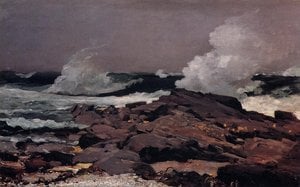
Monhegan Island

George Bellows’ "Monhegan Island" captures the rugged beauty of Maine's coast with dynamic brushstrokes and evocative light. A powerful depiction of nature's strength, painted in 1913.

Descubre George Bellows (1882-1925), realista estadounidense clave. Explora su estilo Ashcan, pinceladas audaces y vibrantes escenas de NYC en WahooArt.

Giclée / Impresión de arte

Impresiones giclée o en lienzo de calidad de museo con producción rápida y opciones de acabado flexibles. (Comprar pintura hecha a mano Comprar pintura hecha a manoComprar imagen Comprar imagen)

P118B $10
P118H $10
P118W $10
P438Z $10
P508JH $12
P508YH $12
P805H $10
P805Z $10
P919BZ $10
P919G $10
P919XJ $10
P959ZH $10
P968JZ $12
W106C $8
W218G $10
W218JH $8
W218Y $10
W307PJ $10
W316G $10
W316PJ $8
W316Y $10
W398PJ $8
W4111J $10
W500HY $15
W500JH $15
W692G $12
W849H $8
W940BG $15
W953PJ $8

Estándar
a medida
CM
INCH

Elija entre nuestros tamaños predefinidos que respetan las proporciones originales de la obra.

ancho
altura

Puede introducir sus propias dimensiones para adaptarse a un marco o espacio específico. Si el tamaño seleccionado no coincide con las proporciones de la imagen original, recortaremos la obra de arte o extenderemos la imagen con un borde con efecto espejo o de color sólido. Se enviará una maqueta digital para su aprobación antes de que comience la producción.
Tenga en cuenta que la vista previa en pantalla no refleja el recorte o la extensión real. Solo la maqueta mostrará con precisión la composición final.
Aunque existen tamaños personalizados, recomendamos seleccionar una dimensión de la lista predefinida para preservar las proporciones originales.

Envío a todo el mundo () en 2 semanas en lugar de las 4/5 semanas estándar. (2 septiembre)

why_choose_icon
Envío exprés gratuito a todo el mundo
why_choose_icon
Lienzo de lino de alta calidad
why_choose_icon
Seguro de envío total
why_choose_icon
Garantía de reembolso de impuestos aduaneros
why_choose_icon
Garantía de fidelidad cromática exacta
why_choose_icon
Política de devolución de 60 días (solo por defectos)
why_choose_icon
Garantía de devolución del 100% del dinero
why_choose_icon
Descuento por cantidad

Precio total

$ 68

reproduction

Monhegan Island

Giclée / Impresión de arte

Dimensiones de la reproducción

-

Precio total final

$ 68

Datos clave

  • Artist: George Bellows
  • Year: 1913
  • Movement: Ashcan School
  • Title: Monhegan Island
  • Medium: Oil on panel
  • Notable elements: Coastal scene, rocks
  • Subject or theme: Ocean landscape

Test de arte

Cada pregunta tiene una única respuesta correcta.

Pregunta 1:
What is the primary subject of George Wesley Bellows’ ‘Monhegan Island’?
Pregunta 2:
In what year was George Wesley Bellows’ ‘Monhegan Island’ painted?
Pregunta 3:
Which artistic movement is George Bellows most closely associated with?
Pregunta 4:
What type of building is the Monhegan Island Light housed in?
Pregunta 5:
The painting ‘Monhegan Island’ by Bellows is known for its depiction of:

A Storm’s Embrace: Bellows' Monhegan Island

George Wesley Bellows’ “Monhegan Island,” painted in 1913, isn’t merely a depiction of a coastal scene; it’s a visceral embodiment of the raw energy and untamed spirit of early 20th-century America. This evocative work captures a dramatic seascape – a churning ocean relentlessly assaulting jagged, red-streaked rocks – yet within this turbulent exterior lies a profound sense of quiet observation and understated power. Bellows, a key figure in the Ashcan School movement, eschewed idealized landscapes for the gritty realities of urban life, but his ability to translate that sensibility to the natural world is strikingly evident here. The painting’s strength resides not just in its technical mastery, but in its capacity to evoke a deeply felt connection to the elemental forces of nature and the human experience within them.

The Painter's Hand: Technique and Style

Bellows employed a distinctive technique characterized by bold brushstrokes and a vibrant, almost frenetic energy. The paint is applied with thick impasto in areas like the crashing waves and the textured rocks, creating a palpable sense of movement and volume. Notice how he uses short, choppy strokes to convey the relentless motion of the water, contrasted with broader, more fluid marks for the sky and distant coastline. This dynamic approach reflects Bellows’ interest in capturing not just what *looked* like a seascape, but also *how* it felt – the power, the chaos, and ultimately, the sublime beauty of the ocean's embrace. The color palette is dominated by cool blues and greens, punctuated by flashes of fiery orange and red within the rocks, creating a dramatic interplay of light and shadow that intensifies the scene’s emotional impact. The composition itself is carefully constructed, drawing the eye towards the tumultuous center while maintaining a sense of balance and perspective.

Monhegan: A Haven for Artists

To fully appreciate “Monhegan Island,” it's crucial to understand its historical context. In 1913, Monhegan Island off the coast of Maine was experiencing a remarkable artistic renaissance. Drawn by the island’s dramatic landscape and isolation, artists like Rockwell Kent, Edward Hopper, and, of course, Bellows, flocked to its shores seeking inspiration. This period saw Monhegan transform into a vibrant community of painters, writers, and naturalists, fostering an atmosphere of creative exchange and experimentation. The island's rugged beauty, combined with the relative seclusion from the pressures of urban life, provided a unique environment for artists to explore their ideas and develop their individual styles. Bellows’ painting is therefore not just a personal statement; it’s also a reflection of this broader artistic movement and the transformative power of place.

Symbolism and Emotional Resonance

Beyond its technical brilliance, “Monhegan Island” resonates with deeper symbolic meaning. The turbulent sea can be interpreted as representing the challenges and uncertainties of life, while the steadfast rocks symbolize resilience and endurance. The interplay between light and shadow suggests a constant struggle between hope and despair, beauty and destruction. The small boat in the distance hints at human presence within this vast, indifferent landscape – a reminder of our vulnerability and our connection to the natural world. Bellows masterfully captures not just a visual scene but also a complex emotional state, inviting viewers to contemplate their own relationship with nature, life, and the enduring power of the human spirit. The painting’s raw energy and dramatic intensity evoke a sense of awe and wonder, prompting us to consider the sublime beauty that can be found even in the face of chaos.

Reproductions and Display

High-quality reproductions of “Monhegan Island” capture much of the original's power, offering an accessible way to bring this iconic work into any setting. When displayed, consider framing options that complement the painting’s dramatic palette – a dark wood frame can enhance the sense of depth and intensity, while a lighter tone might allow the colors to shine through more vividly. This piece would be particularly striking in a coastal-themed room or an interior space seeking to evoke a feeling of rugged beauty and timelessness.

Biografía del artista

Primeros años y educación

George Wesley Bellows, una figura destacada en el arte americano, nació el 12 o 19 de agosto de 1882 en Columbus, Ohio. Era hijo único de George Bellows y Anna Wilhelmina Smith Bellows. Su infancia temprana estuvo marcada por su inclinación hacia el arte, como lo demuestran sus dibujos incluso antes de comenzar la escuela primaria.

Trayectoria artística

La trayectoria artística de Bellows comenzó con ilustración comercial y finalmente lo llevó a dedicarse a la pintura. Se matriculó en la Universidad Estatal de Ohio (1901-1904), donde jugó para los equipos de béisbol y baloncesto, consolidando aún más su destreza atlética. Sin embargo, su verdadera pasión residía en el arte, lo que lo impulsó a mudarse a Nueva York en 1904 para estudiar bajo la tutela de Robert Henri.

  • George Wesley Bellows se asoció con "The Eight" y la Escuela Ashcan, abogando por la representación de la sociedad americana contemporánea.
  • En 1906, estableció un estudio en el número 1947 de Broadway Street, marcando el comienzo de su prolífica carrera.
  • Su primera exposición notable en 1908 presentó estudios urbanos, que, aunque algunos críticos los consideraron pintados de manera tosca, también se encontraron audazmente atrevidos e innovadores.

Obras notables y contribuciones

Obras clave:
  • Central Park (Club de la Facultad de la Universidad Estatal de Ohio, Estados Unidos, óleo sobre lienzo) - un testimonio de su habilidad para capturar la vida urbana.
  • Los alemanes llegan (1918) - una serie de litografías y pinturas que representaban gráficamente las atrocidades cometidas por Alemania durante su invasión de Bélgica.
Museos con obras suyas:

Influencias y desarrollo artístico

Bellows fue profundamente influenciado por Robert Henri, quien lo animó a pintar los sujetos cotidianos de la vida urbana. Esta influencia se evidencia en las obras tempranas de Bellows, que capturan con realismo y vitalidad la vida de los barrios bajos de Nueva York. Además, estudió a los maestros europeos, buscando inspiración en sus obras durante visitas a museos. Su estilo evolucionó desde un realismo crudo hacia una mayor expresividad y dinamismo, incorporando elementos del impresionismo y el modernismo. Experimentó con diversas técnicas, incluyendo la pintura al óleo, el dibujo a lápiz y la litografía, desarrollando un lenguaje visual único que combinaba precisión técnica con una poderosa carga emocional.

Legado e importancia histórica

George Wesley Bellows falleció el 8 de enero de 1925, pero su legado como "el artista americano más aclamado de su generación" (según el Museo de Arte de Columbus) perdura. Sus audaces representaciones de la vida urbana en Nueva York continúan inspirando e influyendo al arte contemporáneo. Su capacidad para capturar la energía y el dinamismo de la ciudad, así como su compromiso con la representación honesta de la realidad social, lo convierten en una figura clave del realismo americano y un precursor del arte moderno.

Referencias

George Wesley Bellows

George Wesley Bellows

1882 - 1925 , Estados Unidos de América

Datos clave

  • Artistas Que Influyeron: ['Robert Henri']
  • Fecha De Muerte: 8 de enero de 1925
  • Fecha De Nacimiento: 12 o 19 de agosto de 1882
  • Lugar De Nacimiento: Columbus, Estados Unidos
  • Movimiento Artístico: Ashcan School, Realismo americano
  • Nacionalidad: Estadounidense
  • Nombre Completo: George Wesley Bellows
  • Obras Notables:
    • Central Park
    • The Germans Arrive
    • Margarita
Explore obras de arte organizadas por temas, estilos y características.