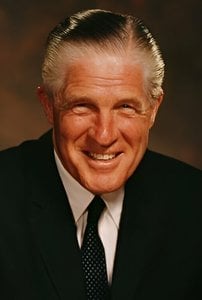
William Prowting: A Portrait of Victorian Dignity
George Romney’s “William Prowting” is more than just a portrait; it's a meticulously crafted window into the social and artistic landscape of early 19th-century Britain. Painted circa 1795, this remarkable work captures not merely the likeness of a gentleman but also an entire era – the burgeoning confidence and formal elegance of the Victorian age taking shape. Romney’s skill lies in his ability to imbue his subjects with a palpable sense of character, transforming a simple depiction into a compelling narrative of status, intellect, and quiet authority.
The painting immediately draws the eye to Prowting himself, seated with an air of composed self-assurance. His attire – a dark suit, meticulously tailored waistcoat, and a crisp white cravat – speaks volumes about his social standing. The subtle details—the carefully arranged wig, the neatly trimmed mustache, and the restrained yet dignified posture—are hallmarks of Romney’s approach to portraiture. He wasn't simply aiming for accuracy; he was striving to reveal the inner life of his subject through visual cues.
The Romantic Palette and Precise Technique
Romney’s artistic style falls squarely within the broader category of Neoclassicism, yet it possesses a distinctly Romantic sensibility. He masterfully employs light and shadow – *chiaroscuro* – to sculpt Prowting's form, creating a sense of depth and volume that is both realistic and subtly dramatic. The rich, dark tones of his clothing contrast beautifully with the softer, warmer hues of his skin, highlighting his features and drawing attention to his gaze.
Technically, Romney was a master of observation and detail. He meticulously rendered every texture – from the velvet of Prowting’s coat to the sheen of his shoes—demonstrating an extraordinary level of technical skill. His brushwork is remarkably smooth and controlled, contributing to the painting's overall sense of refinement and composure. The composition itself is carefully balanced, with Prowting occupying a central position within a relatively uncluttered space, further emphasizing his importance.
A Window into Victorian Society
“William Prowting” offers a fascinating glimpse into the social customs and values of the late 18th century. The portrait reflects the growing emphasis on education, refinement, and social decorum that characterized this period. The subject’s attire and demeanor suggest a man of considerable intellect and standing—likely a lawyer, merchant, or member of the landed gentry.
Furthermore, Romney's choice of pose – seated with his hands crossed in a gesture of thoughtful contemplation – speaks to the Victorian ideal of self-control and restraint. It’s a posture that conveys both confidence and reserve, reflecting the complex social dynamics of the era.
Symbolism and Emotional Resonance
Beyond its technical brilliance and historical context, “William Prowting” resonates with viewers on an emotional level. The painting evokes a sense of quiet dignity and understated elegance—qualities that were highly valued in Victorian society. The subject’s direct gaze invites the viewer to engage with him, creating a subtle but powerful connection.
While seemingly straightforward, the portrait is imbued with a certain melancholy – a hint of introspection beneath the surface of outward composure. This ambiguity adds depth and complexity to the work, inviting viewers to contemplate the inner life of the subject and their own place within the broader human experience. It’s a testament to Romney's ability to capture not just a likeness but also the essence of his sitter.
Collecting a Legacy
Reproductions of “William Prowting” offer an accessible way to appreciate Romney’s artistry and immerse oneself in the atmosphere of Victorian England. Whether displayed in a formal study or a more casual living space, this iconic portrait continues to captivate viewers with its timeless beauty and profound insights into human nature.



 Ver en contexto
 Switch to Print
 Enviar
 Compartir
 Detalles

 Descargar
 Similares
 Radiografía
 Presentación de diapositivas
 Stats
Stats


 Ver más