


Impresiones giclée o en lienzo de calidad de museo con producción rápida y opciones de acabado flexibles. ( Comprar pintura hecha a mano Cambiar a imagen digital)





























Elija entre nuestros tamaños predefinidos que respetan las proporciones originales de la obra.

Introduzca el ancho y el alto que necesite para adaptarse a su marco o pared. Una impresión solo puede recortarse, nunca hacerse más grande que la imagen original, por lo que un tamaño con una forma distinta perderá parte de la obra. Le enviaremos una maqueta digital para su aprobación antes de realizar cualquier impresión. La imagen que se muestra en esta página no refleja el recorte real; solo la maqueta lo hace.
Envío a todo el mundo () en 2 semanas en lugar de las 4/5 semanas estándar. (4 noviembre)
Animal mítico sentado
Dimensiones de la reproducción
"Animal mítico sentado" de Franz Marc presenta una intensidad de color Vívido.
"Animal mítico sentado" transmite una atmósfera Místico.
"Animal mítico sentado" de Franz Marc representa mythical animal, animal painting, cubism style, color palette, spiritual symbolism, german art, expressionist artwork, con un ambiente Místico. El tema y la atmósfera describen juntos la obra.


1880 - 1916 , Alemania

Delve into the visceral world of German Expressionism. Explore the history, key artists like Kirchner and Kandinsky, and the movement's profound emotional impact through an expert art-history lens. Discover how bold colors and distortion redefined modern aesthetics.
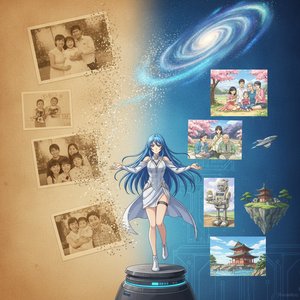
Descubre cómo WahooArt fusiona la vanguardia de la IA con la maestría del óleo clásico para transformar tus fotos en retratos eternos. Crea un legado artístico único con acabados de museo y pinceladas reales. Calidad garantizada, desde el píxel hasta el lienzo.
 Ver en contexto
 Enviar
 Compartir
 Detalles
 Guía
Guía

 Descargar
 Similares
 Radiografía
 Presentación de diapositivas
 Preguntas y respuestas
 Estadísticas

 Ver más









 La opción de vidrio solo está disponible en tamaños inferiores a 110 cm.


