Ver en contextoVer en contexto Vista previa en RAVista previa en RA Comprar pintura hecha a mano Comprar pintura hecha a manoCambiar a imagen digital Cambiar a imagen digital EnviarEnviar
DetallesDetalles Añadir a favoritos Añadir a favoritos DescargarDescargar SimilaresSimilares RadiografíaRadiografía Presentación de diapositivasPresentación de diapositivas EstadísticasEstadísticas

The final judgement

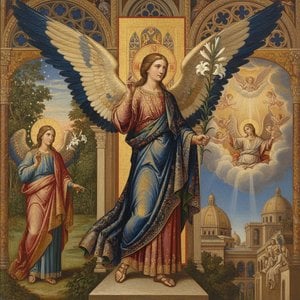
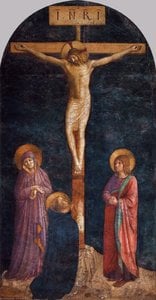
Fra Angelico’s luminous *The Final Judgement*, executed in tempera around 1431, portrays a dramatic depiction of divine justice within the Florentine cloister of San Marco—a masterpiece of Renaissance piety. Explore this iconic fresco and bring its serene beauty into your home.

Explore la obra serena del Renacimiento de Fra Angelico (c. 1395-1455): frescos devotos, colores vibrantes y profundidad espiritual. Descubre al 'Pintor Angélico' y su legado!

Giclée / Impresión de arte

Impresiones giclée o en lienzo de calidad de museo con producción rápida y opciones de acabado flexibles. (Comprar pintura hecha a mano Comprar pintura hecha a manoCambiar a imagen digital Cambiar a imagen digital)

P118B $10
P118H $10
P118W $10
P438Z $10
P508JH $12
P508YH $12
P805H $10
P805Z $10
P919BZ $10
P919G $10
P919XJ $10
P959ZH $10
P968JZ $12
W106C $8
W218G $10
W218JH $8
W218Y $10
W307PJ $10
W316G $10
W316PJ $8
W316Y $10
W398PJ $8
W4111J $10
W500HY $15
W500JH $15
W692G $12
W849H $8
W940BG $15
W953PJ $8

Estándar
a medida
CM
INCH

Elija entre nuestros tamaños predefinidos que respetan las proporciones originales de la obra.

ancho
altura

Puede introducir sus propias dimensiones para adaptarse a un marco o espacio específico. Si el tamaño seleccionado no coincide con las proporciones de la imagen original, recortaremos la obra de arte o extenderemos la imagen con un borde con efecto espejo o de color sólido. Se enviará una maqueta digital para su aprobación antes de que comience la producción.
Tenga en cuenta que la vista previa en pantalla no refleja el recorte o la extensión real. Solo la maqueta mostrará con precisión la composición final.
Aunque existen tamaños personalizados, recomendamos seleccionar una dimensión de la lista predefinida para preservar las proporciones originales.

Envío a todo el mundo () en 2 semanas en lugar de las 4/5 semanas estándar. (11 septiembre)

why_choose_icon
Envío exprés gratuito a todo el mundo
why_choose_icon
Lienzo de lino de alta calidad
why_choose_icon
Seguro de envío total
why_choose_icon
Garantía de reembolso de impuestos aduaneros
why_choose_icon
Garantía de fidelidad cromática exacta
why_choose_icon
Política de devolución de 100 días (solo por defectos)
why_choose_icon
Garantía de devolución del 100% del dinero
why_choose_icon
Descuento por cantidad

Precio total

$ 68

reproduction

The final judgement

Giclée / Impresión de arte

Dimensiones de la reproducción

-

Precio total final

$ 68

Datos clave

  • Influences: Medieval Art
  • Movement: Early Renaissance
  • Notable elements or techniques: Detailed depiction of biblical figures and symbolism; use of perspective.
  • Subject or theme: Christian theology; judgment day; afterlife.
  • Artistic style: Devotional painting; ethereal beauty; serene composition.
  • Location: Museo di San Marco, Florence

Test de arte

Cada pregunta tiene una única respuesta correcta.

Pregunta 1:
What artistic movement is Fra Angelico’s ‘The Last Judgement’ primarily associated with?
Pregunta 2:
Where is ‘The Last Judgement’ currently housed?
Pregunta 3:
What technique did Fra Angelico employ to create the fresco?
Pregunta 4:
The painting depicts a scene from which biblical narrative?
Pregunta 5:
What is the primary symbolic significance of the book in ‘The Last Judgement’?

A Vision of Eternal Justice

To stand before Fra Angelico’s The Final Judgement is to witness a profound theological meditation rendered in the language of light and grace. Painted around 1431 for the cloister of San Marco in Florence, this monumental work transcends the mere depiction of a biblical event; it invites the viewer into a sacred space where the boundaries between the earthly and the divine become beautifully translucent. At the heart of this celestial drama sits Christ, presiding over the destiny of humanity from a radiant throne. He is not depicted with the terrifying ferocity found in later, more turbulent eras, but rather with a serene authority that reflects the artist's own deep piety. Flanked by a host of angels and saints, the composition guides the eye through a vast panorama where the fates of souls are decided, capturing a moment of ultimate accountability that is as much about divine mercy as it is about righteous judgment.

The atmosphere is one of solemnity and awe, yet there is an underlying sense of peace that permeates the scene, making it a work that does not merely frighten the soul, but seeks to elevate it toward the heavens.

The Alchemy of Color and Composition

Fra Angels technical mastery is nowhere more evident than in his ability to manipulate color and light to evoke spiritual emotion. Utilizing the luminous qualities of tempera, the artist achieved a depth of pigment that breathes life into every fold of fabric and every flicker of divine radiance. The composition itself is a triumph of Early Renaissance geometry, anchored by the central figure of Christ to create a sense of profound balance and harmony. This structural stability provides a necessary counterpoint to the movement within the scene—the ascent of the blessed and the descent of the damned.

For the discerning collector or interior designer, the painting offers an extraordinary interplay of textures; one can almost feel the velvety weight of the robes and the ethereal glow of the heavens. Each figure is imbued with subtle nuances of expression, conveying a spectrum of emotions ranging from solemn reverence to agonizing despair. It is this meticulous attention to detail that allows the work to function not just as a religious icon, but as a breathtaking masterpiece of visual storytelling that commands attention in any setting.

A Legacy for the Modern Interior

Beyond its historical significance within the Medici-era Florence, The Final Judgement possesses an enduring emotional resonance that makes it a compelling choice for high-quality reproductions in sophisticated spaces. The painting’s ability to evoke contemplative peace allows it to serve as a powerful focal point in any curated collection. Whether placed in a room designed for quiet reflection or used to add a layer of historical depth and grandeur to a contemporary interior, the work brings with it the very spirit of the Renaissance.

Integrating such a piece into a design scheme offers more than mere decoration; it provides an invitation to contemplate the eternal, wrapped in the exquisite beauty of 15th-century artistry. Owning a reproduction of such a significant work means engaging with the essence of human devotion and the timeless pursuit of the sublime, making it an incomparable treasure for those who seek art that speaks to the soul.

Biografía del artista

Fra Angelico: Vida, Arte y Devoción Espiritual

Primeros Años y Llamamiento Religioso

  • Nacido como Giovanni da Fiesole alrededor de 1395 en Rupesana, cerca de Florencia, Italia.
  • Se sabe poco sobre su vida temprana o sus antecedentes familiares.
  • Entró en la Orden Dominicana a una edad temprana, tomando el nombre Fra (Hermano) Angelico. Esto influyó profundamente en su camino artístico.
  • Inicialmente fue entrenado como iluminador y decorador de manuscritos dentro del monasterio, perfeccionando habilidades en detalle y color.

Desarrollo Artístico e Influencias

  • Sus primeras obras demuestran influencia de Lorenzo Monaco, un destacado pintor florentino de la época, particularmente en el uso de líneas elegantes y patrones decorativos.
  • La exposición a los frescos de Masaccio probablemente impactó su comprensión de la perspectiva y el naturalismo, aunque el estilo de Fra Angelico permaneció distintamente devocional.
  • Su desarrollo artístico estuvo intrínsecamente ligado a sus creencias religiosas; él consideraba la pintura como una forma de oración y meditación.
  • Se trasladó de la iluminación de manuscritos a la pintura sobre tabla y decoración con frescos, desarrollando gradualmente un estilo único caracterizado por la serenidad y la profundidad espiritual.

Obras Maestras y Estilo Artístico

  • Frescos de San Marco (Florencia): Considerada su obra maestra. Estos frescos en el monasterio de San Marco representan escenas de la vida de Cristo con una simplicidad y resonancia emocional notables.
  • Retablo de Perugia: Una obra temprana que muestra su estilo en desarrollo, presentando una delicada escena del Anunciación.
  • El Anunciación (varias versiones): Un tema recurrente en su obra, a menudo representado con belleza etérea y detalle simbólico.
  • San Lorenzo Dando Almisiones: Demuestra su habilidad en la composición narrativa y la representación de las emociones humanas.
  • Su estilo se caracteriza por colores brillantes y claros, modelado delicado, figuras gráciles y una atmósfera serena.
  • Empleó hábilmente la perspectiva para crear profundidad, pero priorizó la expresión espiritual sobre el realismo estricto.

Significado Histórico y Legado

  • Fra Angelico representa la fusión del arte y la fe religiosa de los inicios del Renacimiento.
  • Su obra encarna los ideales humanistas de la época, enfatizando la dignidad humana y la contemplación espiritual.
  • Giorgio Vasari, en sus *Vidas de los Artistas*, elogió a Fra Angelico por su piedad y habilidad artística, afirmando que ningún elogio podría capturar adecuadamente la belleza de sus obras.
  • Influyó a generaciones posteriores de artistas con su estilo devocional y dominio del color.
  • En 1982, el Papa Juan Pablo II lo beatificó, reconociendo su santidad y contribuciones artísticas a la Iglesia. Ahora es conocido como Beato Angelico.
  • Su arte continúa inspirando a los espectadores con su profunda espiritualidad y belleza atemporal.

Museos y Colecciones

  • El Museo di San Marco, Florencia, alberga la colección más grande de sus obras.

  • Las obras también se encuentran en el Museo del Louvre (París), la National Gallery (Londres) y numerosos otros museos de todo el mundo.
Fra Angelico

Fra Angelico

1395 - 1455 , Italia

Datos clave

  • Artistas Que Influyeron:
    • Lorenzo Monaco
    • Masaccio
  • Estilo Artístico: Renacimiento Temprano
  • Fecha De Muerte: 1455
  • Fecha De Nacimiento: c. 1395
  • Influenciado A Artistas: ['Generaciones posteriores']
  • Lugar De Nacimiento: Rupesana, Italia
  • Nacionalidad: Italiana
  • Nombre Completo: Fra Angelico (Giovanni da Fiesole)
  • Obras Notables:
    • Retablo de Perugia
    • Anunciación (varias)
    • Frescos de San Marco
    • San Pedro Mártir
Explore obras de arte organizadas por temas, estilos y características.