Ver en contextoVer en contexto Vista previa en RAVista previa en RA Comprar pintura hecha a mano Comprar pintura hecha a manoCambiar a imagen digital Cambiar a imagen digital EnviarEnviar
DetallesDetalles Añadir a favoritos Añadir a favoritos DescargarDescargar SimilaresSimilares RadiografíaRadiografía Presentación de diapositivasPresentación de diapositivas EstadísticasEstadísticas

Annunciation

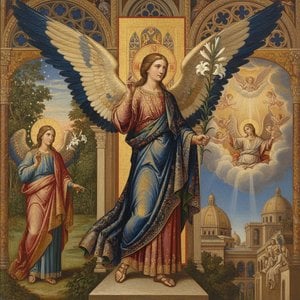
Filippino Lippi’s stunning Annunciation fresco captures the High Renaissance dialogue of faith with masterful detail and harmonious composition. This 1489 masterpiece depicting Mary's miraculous conception showcases Lippi’s skill and invites you to own a piece of art history.

Descubre Filippino Lippi (1457-1504): Maestro florentino del Renacimiento! Pinturas expresivas, colaboraciones con Botticelli y Perugino. Arte imprescindible.

Giclée / Impresión de arte

Impresiones giclée o en lienzo de calidad de museo con producción rápida y opciones de acabado flexibles. (Comprar pintura hecha a mano Comprar pintura hecha a manoCambiar a imagen digital Cambiar a imagen digital)

P118B $10
P118H $10
P118W $10
P438Z $10
P508JH $12
P508YH $12
P805H $10
P805Z $10
P919BZ $10
P919G $10
P919XJ $10
P959ZH $10
P968JZ $12
W106C $8
W218G $10
W218JH $8
W218Y $10
W307PJ $10
W316G $10
W316PJ $8
W316Y $10
W398PJ $8
W4111J $10
W500HY $15
W500JH $15
W692G $12
W849H $8
W940BG $15
W953PJ $8

Estándar
a medida
CM
INCH

Elija entre nuestros tamaños predefinidos que respetan las proporciones originales de la obra.

ancho
altura

Puede introducir sus propias dimensiones para adaptarse a un marco o espacio específico. Si el tamaño seleccionado no coincide con las proporciones de la imagen original, recortaremos la obra de arte o extenderemos la imagen con un borde con efecto espejo o de color sólido. Se enviará una maqueta digital para su aprobación antes de que comience la producción.
Tenga en cuenta que la vista previa en pantalla no refleja el recorte o la extensión real. Solo la maqueta mostrará con precisión la composición final.
Aunque existen tamaños personalizados, recomendamos seleccionar una dimensión de la lista predefinida para preservar las proporciones originales.

Envío a todo el mundo () en 2 semanas en lugar de las 4/5 semanas estándar. (11 septiembre)

why_choose_icon
Envío exprés gratuito a todo el mundo
why_choose_icon
Lienzo de lino de alta calidad
why_choose_icon
Seguro de envío total
why_choose_icon
Garantía de reembolso de impuestos aduaneros
why_choose_icon
Garantía de fidelidad cromática exacta
why_choose_icon
Política de devolución de 100 días (solo por defectos)
why_choose_icon
Garantía de devolución del 100% del dinero
why_choose_icon
Descuento por cantidad

Precio total

$ 68

reproduction

Annunciation

Giclée / Impresión de arte

Dimensiones de la reproducción

-

Precio total final

$ 68

Datos clave

  • Notable elements or techniques: Detailed architectural setting; Perspective
  • Movement: High Renaissance
  • Title: Annunciation
  • Location: National Gallery, London
  • Subject or theme: Religious iconography; Divine communication
  • Artist: Filippino Lippi
  • Influences: Masaccio

Test de arte

Cada pregunta tiene una única respuesta correcta.

Pregunta 1:
What is the title of this artwork?
Pregunta 2:
Where was Filippino Lippi's masterpiece, 'Annunciation,' originally located?
Pregunta 3:
Who commissioned the frescoes in Santa Maria sopra Minerva?
Pregunta 4:
What artistic style is predominantly represented in 'Annunciation'?
Pregunta 5:
The painting utilizes perspective to create a sense of depth. What architectural element contributes significantly to this effect?

A Divine Encounter in Fresco

In the hallowed stillness of Santa Maria sopra Minerva in Rome, a profound theological drama unfolds upon the walls. Filippino Lippi’s Annunciation is not merely a painting; it is a window into a moment where the celestial and the terrestrial collide. Completed in 1489, during the luminous height of the Medici era, this masterpiece captures the precise instant the Archangel Gabriel delivers his divine message to the Virgin Mary. The scene is bathed in a sense of sacred gravity, inviting the viewer to witness a dialogue of faith that has resonated through the centuries. As one gazes upon the fresco, the architectural grandeur of Florentine-style columns and arches creates a stage of immense dignity, framing a narrative that feels both intimately human and cosmically significant.

The composition is a masterclass in High Renaissance equilibrium. At the heart of this sacred space stands Mary, her presence anchored by the weight of her blue robes, which provide a striking, soulful contrast to the warm, earthy tones of the surrounding architecture. She is depicted with a serene, contemplative grace, her attention captured by the angelic visitor. Gabriel, descending with a gesture of reverence and reassurance, brings with him the symbolic lily—a delicate emblem of purity and divine grace that pierts the solemnity of the scene with its ethereal lightness. The artist’s use of perspective draws the eye deep into the painted space, making the viewer feel less like an observer and more like a silent participant in this miraculous visitation.

Mastery of Technique and Symbolism

Lippi’s technical prowess is evident in the meticulous way he employs the fresco technique to achieve depth and luminosity. The interplay of light and shadow across the architectural elements suggests a tangible, three-dimensional reality, a hallmark of the Renaissance pursuit of naturalism. Every detail, from the intricate folds of the drapery to the scholarly figure seated at a desk in the background, is rendered with an exacting precision that speaks to the artist's devotion. This secondary figure, engaged in quiet intellectual discourse, adds a layer of humanistic depth to the work, suggesting that the divine announcement is not just a religious event, but one that invites profound meditation and scholarly reflection.

For the discerning collector or interior designer, this artwork offers more than mere decoration; it provides an atmosphere of timeless elegance and spiritual introspection. The palette, dominated by rich ochres, deep blues, and soft terracottas, possesses a sophisticated warmth that can anchor a room with a sense of history and prestige. Whether displayed as a focal point in a grand library or as a contemplative piece in a private sanctuary, a high-quality reproduction of this fresco brings the intellectual rigor and emotional depth of the Italian Renaissance into the modern home. It is an invitation to surround oneself with beauty that transcends the ephemeral, celebrating a legacy of artistic innovation and enduring faith.


Biografía del artista

Primeros años y formación

  • Nacimiento: Abril de 1457, Prato, Italia
  • Fallecimiento: Abril de 1504
  • Padres: Fra Filippo Lippi (pintor) y Lucrezia Buti
  • Filippino fue el hijo ilegítimo de un renombrado pintor.
  • La formación temprana bajo su padre sentó las bases para su carrera artística.

Carrera Artística y Desarrollo

  • Período Temprano (1475-1480): Obras iniciales, como las Madonnas, mostraron un estilo menos refinado. Estas fueron inicialmente atribuidas a un artista anónimo conocido como "amico di Sandro".
  • Evolución (1480-1485): Desarrollo de un enfoque más personal y efectivo en obras como los Viajes de Tobías.

  • Madurez (1485-1504): Dominio del estilo del Alto Renacimiento, ejemplificado por la Aparición de Cristo a la Virgen.

Obras Principales y Colaboraciones

  • Colaboración con Perugino, Ghirlandaio y Botticelli en los frescos de la villa de Lorenzo de' Medici.
  • Completó la decoración inacabada de Masaccio en la Capilla Brancacci junto a Masolino.
  • Obras notables incluyen: La Coronación de la Virgen, Tobías y el Ángel, San Jerónimo y una Escena de la Vida de San Tomás de Aquino.

Influencias y Estilo Artístico

  • Influencias Tempranas: Sandro Botticelli, Fra Filippo Lippi.
  • Características del Estilo: Forma y línea animadas, cromatismo cálido, paisajes detallados, figuras expresivas y una mezcla de geometría de perspectiva con interiores íntimos.
  • Antigüedades Romanas: Estudios tras antigüedades romanas durante su tiempo en Roma influyeron en su obra, incorporando un vocabulario antiguo a su arte.

Significado Histórico y Legado

  • Un exponente florentino líder de la tradición de los grandes ciclos de frescos.
  • Su influencia en el Alto Renacimiento es innegable.
  • Obras se encuentran en museos de todo el mundo, incluyendo la Galería Uffizi en Florencia.
  • Conocido por tender un puente entre estilos del Renacimiento temprano y la estética emergente del Alto Renacimiento.
Filippino Lippi

Filippino Lippi

1457 - 1504 , Italia

Datos clave

  • Artistas Influenciados: ['Raffaellino del Garbo']
  • Artistas Que Influyeron:
    • Fra Filippo Lippi
    • Sandro Botticelli
  • Fecha De Muerte: Abril 1504
  • Fecha De Nacimiento: Abril 1457
  • Lugar De Nacimiento: Prato, Italia
  • Movimiento Artístico: Alto Renacimiento
  • Nacionalidad: Italiana
  • Nombre Completo: Filippino Lippi
  • Obras Notables:
    • Coronación de la Virgen
    • Viajes de Tobías
    • San Jerónimo
    • Vida de San Tomás Aquino
Explore obras de arte organizadas por temas, estilos y características.