Vista previa Vista previa en RA Cambiar a formato impreso Ver versión en imagen digital Compartir
Ver detalles Guía Añadir a favoritos Descargar Ver artículos similares Radiografía Presentación de diapositivas Estadísticas

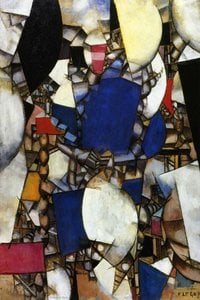
The two women, two sisters

Cubist masterpiece by Fernand Léger captures two women intertwined in a dynamic composition featuring geometric shapes and an apple – embodying the spirit of 1952’s industrial aesthetic. Explore this evocative artwork and bring its modernist elegance into your home.

Explore el arte de Fernand Léger (1881-1955), un pionero del Cubismo y 'Tubismo'. Descubre sus audaces pinturas figurativas que celebran la vida moderna, las máquinas y la forma humana. ¡Un precursor del Pop Art!

Reproducción al óleo hecha a mano

Óleo sobre lienzo pintado a mano en el tamaño y marco de su elección, realizado por encargo por nuestros artistas. ( Cambiar a formato impreso Ver versión en imagen digital)

P118B $10
P118H $10
P118W $10
P438Z $10
P508JH $12
P508YH $12
P805H $10
P805Z $10
P919BZ $10
P919G $10
P919XJ $10
P959ZH $10
P968JZ $12
W106C $8
W218G $10
W218JH $8
W218Y $10
W307PJ $10
W316G $10
W316PJ $8
W316Y $10
W398PJ $8
W4111J $10
W500HY $15
W500JH $15
W692G $12
W849H $8
W940BG $15
W953PJ $8

Estándar
personalizado
CM
INCH

Elija entre nuestros tamaños predefinidos que respetan las proporciones originales de la obra.

ancho
altura

Puede ingresar sus propias dimensiones para adaptarse a un marco o espacio específico. Si el tamaño seleccionado no coincide con las proporciones de la imagen original, recortaremos la obra o extenderemos la pintura con elementos adicionales pintados a mano. Se le enviará una maqueta digital para su aprobación antes de comenzar la producción.
Tenga en cuenta que la vista previa en pantalla no refleja el recorte o la extensión reales. Solo la maqueta mostrará con precisión la composición final.
Si bien existen tamaños personalizados, recomendamos seleccionar una dimensión de la lista predefinida para preservar las proporciones originales.

Ejemplos de lo que se puede personalizar: Reemplace el rostro con una foto del cliente; Agregue una mascota (por ejemplo, cambie un gato por un perro); Incluya un mensaje oculto en el fondo; Cambie el paisaje o los elementos del fondo.
Tras realizar el pedido, el equipo de WahooArt.com enviará un correo electrónico al cliente para solicitar instrucciones y proporcionarle una vista previa del boceto.

Envío a todo el mundo () en 3-4 semanas en lugar de las 5 semanas estándar. (23 septiembre). Sin comprometer la calidad.

why_choose_icon
Envío exprés gratuito a todo el mundo
why_choose_icon
Lienzo de lino de alta calidad
why_choose_icon
Seguro de envío completo
why_choose_icon
Garantía de reembolso de impuestos aduaneros
why_choose_icon
Garantía de fidelidad cromática exacta
why_choose_icon
Política de devolución de 100 días (solo por defectos)
why_choose_icon
Garantía de devolución del 100% del dinero
why_choose_icon
Oferta por volumen

Precio total

$ 272

reproduction

The two women, two sisters

Técnica de reproducción

Tamaño de la reproducción

-

Precio total

$ 272

Datos clave

  • Subject or theme: Female figures
  • Location: Private Collection
  • Influences: Picasso
  • Title: The two women, two sisters
  • Dimensions: 50 x 65 cm
  • Year: 1952
  • Notable elements or techniques: Geometric abstraction

A Symphony of Form and Texture: The Vision of Fernand Léger

In the quiet dialogue between geometry and reality, Fernand Léger’s 1952 masterpiece, "The Two Women, Two Sisters," emerges as a profound meditation on the mid-century aesthetic. This striking black and white cubist composition transcends mere depiction; it is a carefully constructed encounter with the burgeoning sensibilities of an era defined by industrial progress. Unlike the Impressionists, who sought to capture the fleeting shimmer of light, or the Expressionists, who prioritized raw emotion, Léger deliberately stripped away the superfluous. He focused instead on the structural essence of his subjects—planes intersecting planes—to convey a sense of rhythmic dynamism that feels both ancient and modern.

The artwork immediately captivates the viewer with its bold simplification of figures and space. Within this monochrome universe, Léger utilizes a meticulous approach to texture and tone. Through a sophisticated etching process involving zinc plates treated with mordant, he achieved an exceptional level of tonal precision. This technique allows for subtle gradations of grey that are essential for conveying the interplay of light and shadow, giving the flat geometric shapes a sculptural weight that commands attention in any curated space.

The Dance of Geometry and Human Connection

At the heart of the composition stand two women, their postures subtly mirroring one another in a way that suggests a deep, intrinsic bond. This visual echo creates a sense of harmony amidst the fractured perspectives characteristic of Cubism. One woman wears an elongated necklace that serves as a vital visual anchor, drawing the eye upward and emphasizing the verticality of the canvas. This movement is complemented by the presence of smaller, secondary figures—a man to the left and another near the center—which layer the composition and suggest the bustling energy of an urban environment.

Léger’s genius lies in his ability to weave symbolic motifs into this mechanical landscape. A single apple rests prominently in the upper right corner, a recurring element in his oeuvre that symbolizes fertility and the organic cycle of life. This small, rounded form provides a soft counterpoint to the sharp, angular lines of the figures, reminding the observer of the enduring connection between humanity and the natural world even amidst the rise of the machine age. For the collector or interior designer, this tension between the organic and the industrial offers a sophisticated narrative depth that elevates a room from mere decoration to a space of intellectual inquiry.

An Enduring Legacy for the Modern Interior

To possess a reproduction of "The Two Women, Two Sisters" is to invite the spirit of the 20th-century avant-garde into one's home. Léger’s work, often characterized by his unique "tubism" and fascination with the mechanical, serves as a forerunner to Pop Art, making it remarkably versatile for contemporary decor. The stark, monochromatic palette allows this piece to integrate seamlessly into minimalist, industrial, or mid-century modern interiors, acting as a focal point that stimulates conversation without overwhelming the surrounding environment.

The emotional impact of the piece is one of structured tranquility. There is a rhythmic, almost musical quality to the way the shapes are arranged, providing a sense of order and strength. Whether viewed by an art historian or a lover of fine aesthetics, Léger’s ability to find beauty in the precision of form remains unparalleled. This artwork is not merely a window into the past; it is a timeless celebration of the resilience and elegance of the human form within a changing world.


Biografía del artista

vida temprana y formación

fernand léger, un pintor, escultor y cineasta francés, nació el 4 de febrero de 1881 en Argentán, Orne, Baja Normandía. Su padre criaba ganado, y Léger inicialmente se formó como arquitecto de 1897 a 1899. Luego se mudó a París en 1900, ganándose la vida como dibujante arquitectónico.

desarrollo artístico

El trabajo temprano de Léger estuvo influenciado por el impresionismo, como se ve en le jardin de ma mère (mi madre's garden) (1905). Después de asistir a la escuela de artes decorativas y la academia Julian, comenzó a trabajar seriamente como pintor a los 25 años. Su estilo evolucionó hacia una forma personal del cubismo, que los críticos denominaron "tubismo" por su énfasis en las formas cilíndricas.

cubismo y el grupo puteaux

En 1910, Léger expuso en el salón de otoño junto a jean metzinger y henri le fauconnier. Se unió al grupo puteaux, también conocido como la sección dorada (la sección de oro), junto con otros artistas como francis picabia y marcel duchamp.

guerra y su influencia en el trabajo de léger

Las experiencias de Léger en la Primera Guerra Mundial impactaron significativamente su obra. Durante su tiempo en el frente, produjo dibujos de piezas de artillería, aviones y soldados compañeros. Su pintura soldier with a pipe (1916) refleja este período.

obra posterior y legado

La obra posterior de Léger, caracterizada por formas mecánicas y elegantes, lo vinculó a la tradición de la pintura figurativa francesa. Sus paisajes animados de 1921 mostraron figuras y animales en formas armoniosas y aerodinámicas. obras clave: museos que exhiben el trabajo de léger:
Fernand Léger

Fernand Léger

1881 - 1955 , Francia

Datos clave

  • Artistas Influenciados Por: ['Pop Art']
  • Artistas Que Influyeron:
    • Cézanne
    • Impresionismo
  • Fecha De Nacimiento: 4 de febrero de 1881
  • Lugar De Nacimiento: Argentan, Francia
  • Movimiento Artístico:
    • Cubismo
    • Tubismo
  • Nacionalidad: Francés
  • Nombre Completo: Fernand Léger
  • Obras Notables:
    • La Mujer Sentada
    • Elemento de Máquina
    • El Gran Desfile
    • Paisajes Animados
Explore obras de arte organizadas por temas, estilos y características.