Ver en contextoVer en contexto Vista previa en RAVista previa en RA Switch to Print Switch to PrintComprar pintura hecha a mano Comprar pintura hecha a mano EnviarEnviar
DetallesDetalles Añadir a favoritos Añadir a favoritos DescargarDescargar SimilaresSimilares RadiografíaRadiografía Presentación de diapositivasPresentación de diapositivas StatsStats

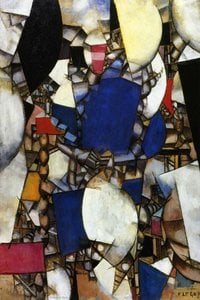
The man in the tavern

Discover "The Man in the Tavern" by Fernand Léger! A modernist masterpiece featuring a lively tavern scene & a motorcycle backdrop. Explore Cubism & Leger's iconic style.

Explore el arte de Fernand Léger (1881-1955), un pionero del Cubismo y 'Tubismo'. Descubre sus audaces pinturas figurativas que celebran la vida moderna, las máquinas y la forma humana. ¡Un precursor del Pop Art!

Adquiera una imagen digital de alta resolución y optimizada, muy superior a la vista previa en línea.

Cada archivo es preparado meticulosamente por nuestros especialistas internos mediante el uso de herramientas avanzadas y un experto retoque manual. Nos aseguramos de que cada imagen posea una claridad excepcional, una precisión cromática impecable y un detalle minucioso.

El archivo final se entrega por correo electrónico en un plazo de 72 horas, optimizado para su uso inmediato en entornos profesionales, editoriales y de impresión. Esta es la misma calidad en la que confían los estudios de diseño, las editoriales y las galerías de primer nivel.

Imagen Digital

Descarga un archivo de alta resolución para exhibición personal, impresión y proyectos creativos. (Switch to Print Switch to PrintComprar pintura hecha a mano Comprar pintura hecha a mano)

Precio total

$ 24,90

Incluido en cada pedido de imágenes digitales

Entrega digital experta, garantizada.

Al elegir WahooArt.com, no solo está adquiriendo una imagen; está recibiendo una obra de arte digital mejorada profesionalmente, elaborada con precisión y respaldada por una garantía de satisfacción. Esto es todo lo que incluye su pedido, automáticamente:

shipping_icon
Entrega rápida por email

Recibirá su archivo de imagen digital en alta resolución por correo electrónico en un plazo de 72 horas tras realizar su pedido, listo para su uso inmediato.

canvas_icon
Archivo digital optimizado por IA

Su obra de arte se optimiza profesionalmente mediante herramientas avanzadas de IA y edición manual, garantizando el máximo detalle, claridad y precisión cromática.

insurance_icon
Reenvío gratuito de por vida

¿Has borrado o perdido tu archivo por error? No te preocupes: te lo volveremos a enviar en cualquier momento, sin coste adicional.

tax_icon
Sin gastos de importación, siempre

Disfrute de su obra de arte al instante sin aduanas, aranceles ni gastos de envío; las descargas digitales siempre están libres de impuestos.

color_icon
Garantía de fidelidad de color

Garantizamos que su imagen digital refleje los colores originales con la mayor fidelidad posible, mediante el uso de herramientas profesionales y gestión del color.

return_icon
Garantía de satisfacción de 100 días

Si no está satisfecho con su imagen digital, la revisaremos o le reembolsaremos el 100% en un plazo de 100 días, sin preguntas.

guarantee_icon
100% Garantía de devolución de dinero

¿No está satisfecho? Obtenga un reembolso completo dentro de los 100 días posteriores a la recepción de su archivo digital, sin preguntas.

discount_icon
Descuentos por pedidos grandes

Compra 3 imágenes, ahorra 10% - Compra 5, ahorra 15% - Compra 10+, ahorra 20%. Ideal para proyectos creativos, galerías y agencias.

Datos clave

  • subject: Tavern scene with figures and a motorcycle
  • year: 1917-1924 (debated)
  • movement: Modernism, Cubism, Tubism
  • style: Tubism
  • title: The Man in the Tavern

Test de arte

Cada pregunta tiene una única respuesta correcta.

Pregunta 1:
Fernand Léger's style, characterized by simplified cylindrical forms, is often referred to as:
Pregunta 2:
What unusual element appears in the background of 'The Man in the Tavern', reflecting Léger's fascination with modern life?
Pregunta 3:
Approximately when was 'The Man in the Tavern' created?
Pregunta 4:
Léger's work, including 'The Man in the Tavern', can be seen as a precursor to which later art movement?
Pregunta 5:
What is a key characteristic of Léger's brushwork in this painting?

A Modern Gathering: Unveiling Léger’s “The Man in the Tavern”

Fernand Léger's “The Man in the Tavern” is a vibrant and dynamic exploration of modern life, painted sometime between 1917-1924. This captivating work exemplifies Léger’s distinctive ‘Tubism,’ a compelling offshoot of Cubism that celebrates the beauty of machinery and the energy of the industrial age.

Subject & Composition: A Slice of Modern Social Life

The painting presents an intimate scene within a bustling tavern. At least five figures are depicted, engaged in convivial conversation around a table laden with glasses, bottles, and other objects suggestive of refreshment and camaraderie. Léger deliberately fragments and geometrizes the composition; forms break down into cylindrical shapes and planes of color – hallmarks of his aesthetic. A centrally placed chair anchors the scene, immediately drawing the viewer’s eye, while another to the right subtly guides our gaze. Most strikingly, a motorcycle appears in the background—an unusual yet deliberate inclusion that speaks volumes about Léger's fascination with modern technology and its integration into everyday existence.

Style & Technique: The Power of ‘Tubism’

Léger’s “Tubism” is immediately apparent. Unlike the analytical fragmentation of early Cubism, his approach favors simplified, almost architectural forms. He employs bold colors—often primary hues—and strong contrasts to create a sense of solidity and monumentality. The brushwork isn't delicate; instead, it’s assertive and precise, emphasizing the constructed nature of the image. This technique reflects Léger’s belief in the beauty of the machine age and his desire to create an art that was accessible and relevant to modern society.

Historical Context & Artistic Significance: From War's Shadow to Modern Optimism

“The Man in the Tavern” emerges from a pivotal moment in art history. Following his experiences during World War I, Léger sought to reconcile the horrors of war with a celebration of life and progress. He rejected purely abstract forms, instead focusing on representing the world around him—factories, machines, and people—in a new visual language. This painting embodies that shift; it’s not merely a depiction of a tavern scene but a symbolic representation of modern social interaction within an increasingly industrialized world. Léger's work foreshadowed Pop Art by celebrating popular culture and everyday objects.

Symbolism & Emotional Impact: Energy, Alienation, and the Modern Spirit

The painting evokes a sense of bustling energy and camaraderie, yet there’s also a subtle undercurrent of detachment. The fragmented forms and simplified figures create a slightly alienating effect, perhaps reflecting the anonymity that can accompany modern life. However, the vibrant colors and dynamic composition ultimately convey a feeling of optimism and vitality. It's a scene that feels both familiar and strangely new – a testament to Léger’s ability to capture the complexities of the modern human experience.

Display & Interior Design Recommendations

“The Man in the Tavern” would be a stunning focal point in various settings:

  • Modern Living Room: Its bold colors and geometric forms complement contemporary furniture and décor.
  • Dining Room: The tavern scene creates an inviting atmosphere, perfect for entertaining.
  • Home Office/Study: Its intellectual energy can inspire creativity and focus.

To best showcase the painting, consider a neutral wall color that allows the vibrant hues to pop. Strategic lighting will highlight the texture and dimensionality of Léger’s brushwork. Framing in a simple, modern frame – perhaps black or silver – would further enhance its contemporary appeal. This artwork is more than just a visual statement; it's an investment in a piece of art history that embodies the spirit of modernity.


Biografía del artista

vida temprana y formación

fernand léger, un pintor, escultor y cineasta francés, nació el 4 de febrero de 1881 en Argentán, Orne, Baja Normandía. Su padre criaba ganado, y Léger inicialmente se formó como arquitecto de 1897 a 1899. Luego se mudó a París en 1900, ganándose la vida como dibujante arquitectónico.

desarrollo artístico

El trabajo temprano de Léger estuvo influenciado por el impresionismo, como se ve en le jardin de ma mère (mi madre's garden) (1905). Después de asistir a la escuela de artes decorativas y la academia Julian, comenzó a trabajar seriamente como pintor a los 25 años. Su estilo evolucionó hacia una forma personal del cubismo, que los críticos denominaron "tubismo" por su énfasis en las formas cilíndricas.

cubismo y el grupo puteaux

En 1910, Léger expuso en el salón de otoño junto a jean metzinger y henri le fauconnier. Se unió al grupo puteaux, también conocido como la sección dorada (la sección de oro), junto con otros artistas como francis picabia y marcel duchamp.

guerra y su influencia en el trabajo de léger

Las experiencias de Léger en la Primera Guerra Mundial impactaron significativamente su obra. Durante su tiempo en el frente, produjo dibujos de piezas de artillería, aviones y soldados compañeros. Su pintura soldier with a pipe (1916) refleja este período.

obra posterior y legado

La obra posterior de Léger, caracterizada por formas mecánicas y elegantes, lo vinculó a la tradición de la pintura figurativa francesa. Sus paisajes animados de 1921 mostraron figuras y animales en formas armoniosas y aerodinámicas. obras clave: museos que exhiben el trabajo de léger:
Fernand Léger

Fernand Léger

1881 - 1955 , Francia

Breves datos

  • Artistas Influenciados Por: ['Pop Art']
  • Artistas Que Influyeron:
    • Cézanne
    • Impresionismo
  • Fecha De Nacimiento: 4 de febrero de 1881
  • Lugar De Nacimiento: Argentan, Francia
  • Movimiento Artístico:
    • Cubismo
    • Tubismo
  • Nacionalidad: Francés
  • Nombre Completo: Fernand Léger
  • Obras Notables:
    • La Mujer Sentada
    • Elemento de Máquina
    • El Gran Desfile
    • Paisajes Animados