Vista previa Vista previa en RA Cambiar a formato impreso Encargar reproducción pintada a mano Compartir
Ver detalles Añadir a favoritos Descargar Ver artículos similares Radiografía Presentación de diapositivas Estadísticas

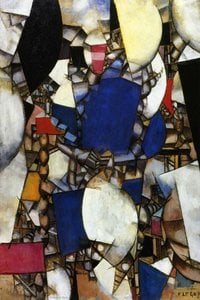
'The album ''Circus'''

Fernand Léger’s ‘The Album “Circus”’ (1950) – a dynamic watercolor depicting a ritual harvest scene. Bold lines, geometric shapes & expressive style capture modern life.

Explore el arte de Fernand Léger (1881-1955), un pionero del Cubismo y 'Tubismo'. Descubre sus audaces pinturas figurativas que celebran la vida moderna, las máquinas y la forma humana. ¡Un precursor del Pop Art!

Adquiera una imagen digital de alta resolución y optimizada, muy superior a la vista previa en línea.

Cada archivo es preparado meticulosamente por nuestros especialistas internos mediante el uso de herramientas avanzadas y un experto retoque manual. Nos aseguramos de que cada imagen posea una claridad excepcional, una precisión cromática impecable y un detalle minucioso.

El archivo final se entrega por correo electrónico en un plazo de 72 horas, optimizado para su uso inmediato en entornos profesionales, editoriales y de impresión. Esta es la misma calidad en la que confían los estudios de diseño, las editoriales y las galerías de primer nivel.

Imagen Digital

Descarga un archivo de alta resolución para exhibición personal, impresión y proyectos creativos. ( Cambiar a formato impreso Encargar reproducción pintada a mano)

Precio total

$ 24,90

Incluido en cada pedido de imágenes digitales

Entrega digital experta, garantizada.

Al elegir WahooArt.com, no solo está adquiriendo una imagen; está recibiendo una obra de arte digital mejorada profesionalmente, elaborada con precisión y respaldada por una garantía de satisfacción. Esto es todo lo que incluye su pedido, automáticamente:

shipping_icon
Entrega inmediata por email

Recibirá su archivo de imagen digital en alta resolución por correo electrónico en un plazo de 72 horas tras realizar su pedido, listo para su uso inmediato.

canvas_icon
Archivo digital optimizado por IA

Su obra de arte se optimiza profesionalmente mediante herramientas avanzadas de IA y edición manual, garantizando el máximo detalle, claridad y precisión cromática.

insurance_icon
Reenvío gratuito de por vida

¿Has borrado o perdido tu archivo por error? No te preocupes: te lo volveremos a enviar en cualquier momento, sin coste adicional.

tax_icon
Sin gastos de importación, siempre

Disfrute de su obra de arte al instante sin aduanas, aranceles ni gastos de envío; las descargas digitales siempre están libres de impuestos.

color_icon
Garantía de precisión de color

Garantizamos que su imagen digital refleje los colores originales con la mayor fidelidad posible, mediante el uso de herramientas profesionales y gestión del color.

return_icon
Garantía de satisfacción de 100 días

Si no está satisfecho con su imagen digital, la revisaremos o le reembolsaremos el 100% en un plazo de 100 días, sin preguntas.

guarantee_icon
100% Garantía de devolución de dinero

¿No está satisfecho? Obtenga un reembolso completo dentro de los 100 días posteriores a la recepción de su archivo digital, sin preguntas.

discount_icon
Descuentos por volumen

Compra 3 imágenes, ahorra 10% - Compra 5, ahorra 15% - Compra 10+, ahorra 20%. Ideal para proyectos creativos, galerías y agencias.

Datos clave

  • Title: The album "Circus"
  • Location: Private Collection
  • Artistic style: Cubist influence
  • Notable elements or techniques: Bold lines, geometric shapes
  • Year: 1950
  • Movement: Purism
  • Subject or theme: Harvest ritual

Cuestionario de arte

Cada pregunta tiene una única respuesta correcta.

Pregunta 1:
What artistic movement is Fernand Léger’s ‘The Album “Circus”’ primarily associated with?
Pregunta 2:
The painting depicts a scene featuring figures holding hands, symbolizing what thematic element?
Pregunta 3:
What stylistic elements contribute to the dynamic feel of ‘The Album “Circus”’? Consider the use of lines and shapes.
Pregunta 4:
Based on its date (1950), ‘The Album “Circus”’ reflects the influence of which historical period?
Pregunta 5:
Which artistic style influenced Léger's approach to representing modern life, as evidenced by ‘The Album “Circus”’?

A Symphony of Form and Motion

In the vibrant tapestry of twentieth-century modernism, few works capture the rhythmic pulse of life as evocatively as Fernand Léger’s 'The Album “Circus”'. Completed in 1950, this mesmerizing watercolor sketch serves as a window into a world where the boundaries between human vitality and geometric precision dissolve. The scene unfolds with a sense of theatrical wonder, presenting a lively circus gathering that transcends mere spectacle. At its heart, the composition draws the eye to two figures standing in close proximity, their connection anchored by held hands—one crowned with a dark hat and the other in a bright yellow. This intimate moment is set against a backdrop of bustling energy, where characters in bowler and top hats mingle alongside the silent, powerful presence of a horse. It is not merely a depiction of an event; it is a choreographed dance of shapes and souls.

Léger, a master of distilling the complexity of the modern world into its most essential elements, employs a technique that bridges the gap between Purism and a more expressive, almost primal, energy. The artwork is characterized by a masterful use of interlocking geometric forms—circles, squares, and triangles—that create a sense of perpetual motion. His lines do not simply outline figures; they pulsative with the mechanical rhythm of the industrial age. Through meticulous layering and delicate hatching, Léger achieves a texture that feels simultaneously solid and fluid, much like the atmosphere of a circus tent itself. For the discerning collector or interior designer, this piece offers a sophisticated balance of structural strength and whimsical lightness, making it a versatile centerpiece for any contemporary space.

The Spirit of Post-War Optimism

To understand the emotional resonance of 'The Album “Circus”', one must look to the historical landscape of post-war Europe. Emerging from the shadows of World War II, Léger’s work radiates a profound sense of renewal and hope. While many artists of his era retreated into pure abstraction to escape the trauma of conflict, Léger leaned into the visible world, finding beauty in its reconstruction. The circus, as a symbol of ritual, performance, and communal joy, becomes an allegory for a society rebuilding itself. There is an inherent optimism in the way he treats his subjects—not as fragile entities, but as robust, dynamic components of a larger, advancing machine. This connection to the Machine Age aesthetic allows the painting to feel both nostalgic for the tradition of the circus and forward-looking in its embrace of modernity.

For those seeking to infuse their environments with inspiration, this reproduction offers more than just visual appeal; it provides a narrative of resilience. The interplay of bold colors and simplified silhouettes creates an intellectual stimulation that invites long periods of contemplation. Whether placed in a curated gallery setting or as a focal point in a modern living room, the artwork commands attention through its unique ability to marry the mechanical with the human. It is a celebration of progress, a tribute to the enduring power of movement, and a timeless reminder that even in an age of industry, the magic of the spectacle remains an essential part of our collective spirit.


Biografía del artista

vida temprana y formación

fernand léger, un pintor, escultor y cineasta francés, nació el 4 de febrero de 1881 en Argentán, Orne, Baja Normandía. Su padre criaba ganado, y Léger inicialmente se formó como arquitecto de 1897 a 1899. Luego se mudó a París en 1900, ganándose la vida como dibujante arquitectónico.

desarrollo artístico

El trabajo temprano de Léger estuvo influenciado por el impresionismo, como se ve en le jardin de ma mère (mi madre's garden) (1905). Después de asistir a la escuela de artes decorativas y la academia Julian, comenzó a trabajar seriamente como pintor a los 25 años. Su estilo evolucionó hacia una forma personal del cubismo, que los críticos denominaron "tubismo" por su énfasis en las formas cilíndricas.

cubismo y el grupo puteaux

En 1910, Léger expuso en el salón de otoño junto a jean metzinger y henri le fauconnier. Se unió al grupo puteaux, también conocido como la sección dorada (la sección de oro), junto con otros artistas como francis picabia y marcel duchamp.

guerra y su influencia en el trabajo de léger

Las experiencias de Léger en la Primera Guerra Mundial impactaron significativamente su obra. Durante su tiempo en el frente, produjo dibujos de piezas de artillería, aviones y soldados compañeros. Su pintura soldier with a pipe (1916) refleja este período.

obra posterior y legado

La obra posterior de Léger, caracterizada por formas mecánicas y elegantes, lo vinculó a la tradición de la pintura figurativa francesa. Sus paisajes animados de 1921 mostraron figuras y animales en formas armoniosas y aerodinámicas. obras clave: museos que exhiben el trabajo de léger:
Fernand Léger

Fernand Léger

1881 - 1955 , Francia

Datos clave

  • Artistas Influenciados Por: ['Pop Art']
  • Artistas Que Influyeron:
    • Cézanne
    • Impresionismo
  • Fecha De Nacimiento: 4 de febrero de 1881
  • Lugar De Nacimiento: Argentan, Francia
  • Movimiento Artístico:
    • Cubismo
    • Tubismo
  • Nacionalidad: Francés
  • Nombre Completo: Fernand Léger
  • Obras Notables:
    • La Mujer Sentada
    • Elemento de Máquina
    • El Gran Desfile
    • Paisajes Animados