Asesoría de arte gratuita

x
Comprar impresión Comprar impresiónEncargar reproducción Encargar reproducción EnviarEnviar
DetallesDetalles Añadir a favoritos Añadir a favoritos DescargarDescargar SimilaresSimilares Rayos XRayos X Presentación de diapositivasPresentación de diapositivas

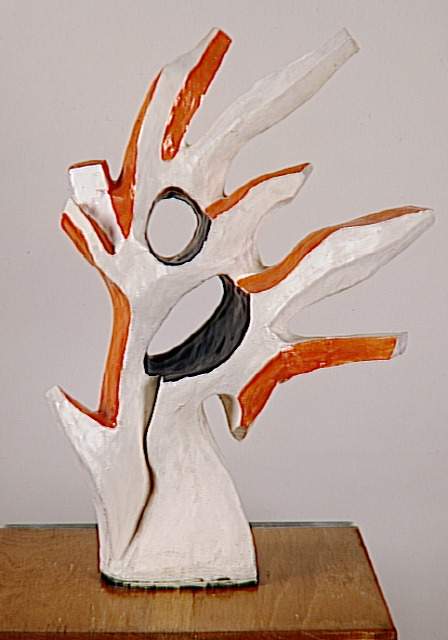
Rockefeller branch

Explore el arte de Fernand Léger (1881-1955), un pionero del Cubismo y 'Tubismo'. Descubre sus audaces pinturas figurativas que celebran la vida moderna, las máquinas y la forma humana. ¡Un precursor del Pop Art!

Adquiera una imagen digital de alta resolución y optimizada, muy superior a la vista previa en línea.

Cada archivo es preparado meticulosamente por nuestros especialistas internos mediante el uso de herramientas avanzadas y un experto retoque manual. Nos aseguramos de que cada imagen posea una claridad excepcional, una precisión cromática impecable y un detalle minucioso.

El archivo final se entrega por correo electrónico en un plazo de 72 horas, optimizado para su uso inmediato en entornos profesionales, editoriales y de impresión. Esta es la misma calidad en la que confían los estudios de diseño, las editoriales y las galerías de primer nivel.

Imagen Digital

Descarga un archivo de alta resolución para exhibición personal, impresión y proyectos creativos.

Precio total

$9.99

Incluido en cada pedido de imagen digital

Entrega digital experta, garantizada.

Al elegir WahooArt.com, no solo está adquiriendo una imagen; está recibiendo una obra de arte digital mejorada profesionalmente, elaborada con precisión y respaldada por una garantía de satisfacción. Esto es todo lo que incluye su pedido, automáticamente:

shipping_icon
Entrega rápida por email

Recibirá su archivo de imagen digital en alta resolución por correo electrónico en un plazo de 72 horas tras realizar su pedido, listo para su uso inmediato.

canvas_icon
Archivo digital optimizado con IA

Su obra de arte se optimiza profesionalmente mediante herramientas avanzadas de IA y edición manual, garantizando el máximo detalle, claridad y precisión cromática.

insurance_icon
Reenvío gratuito de por vida

¿Has borrado o perdido tu archivo por error? No te preocupes: te lo volveremos a enviar en cualquier momento, sin coste adicional.

tax_icon
Sin cargos de importación - Siempre

Disfrute de su obra de arte al instante sin aduanas, aranceles ni gastos de envío; las descargas digitales siempre están libres de impuestos.

color_icon
Garantía de fidelidad de color

Garantizamos que su imagen digital refleje los colores originales con la mayor fidelidad posible, mediante el uso de herramientas profesionales y gestión del color.

return_icon
Garantía de satisfacción de 60 días

Si no está satisfecho con su imagen digital, la revisaremos o le reembolsaremos el 100% en un plazo de 60 días, sin preguntas.

guarantee_icon
100% Garantía de devolución de dinero

¿No está satisfecho? Obtenga un reembolso completo dentro de los 60 días posteriores a la recepción de su archivo digital, sin preguntas.

discount_icon
Descuentos por pedidos al por mayor

Compra 3 imágenes, ahorra 10% - Compra 5, ahorra 15% - Compra 10+, ahorra 20%. Ideal para proyectos creativos, galerías y agencias.

Datos clave

  • Medium: Clay Sculpture
  • Influences: Cubism
  • Notable elements or techniques: Geometric abstraction; Repetition of forms
  • Dimensions: 30 cm x 20 cm
  • Year: 1952
  • Artist: Fernand Léger
  • Artistic style: Cubist influence; Dynamic composition

Test de arte

Solo hay una respuesta correcta para cada pregunta.

Pregunta 1:
What artistic movement is Fernand Léger associated with?
Pregunta 2:
The sculpture "Rockefeller Branch" depicts a prominent symbol of the machine age.
Pregunta 3:
In what year was Fernand Léger born?
Pregunta 4:
Where is the sculpture "Rockefeller Branch" currently located?
Pregunta 5:
Fernand Léger’s artistic approach differed from many of his contemporaries who favored abstraction. How did he characterize his style?

Descripción del coleccionable

A Symphony in Clay: Exploring Fernand Léger’s Rockefeller Branch

Fernand Léger's "Rockefeller Branch," sculpted in 1952, stands as an arresting emblem of Surrealism and a masterful distillation of Léger’s singular artistic philosophy. Situated within Biot’s Musée National Fernand Leger – Léger’s own hometown – the sculpture invites contemplation not merely as an object of beauty but as a conduit to understanding Léger's profound engagement with the anxieties and aspirations of his era.

The Genesis of Form: Léger’s Early Influences

Born Joseph Fernand Henri Léger in 1881, Léger emerged from the pastoral landscapes of Normandy into the burgeoning dynamism of Parisian artistic life. Initially drawn to architecture, he swiftly transitioned to painting, fueled by an instinctive fascination with geometric abstraction – a movement championed by artists like Piet Mondrian and Kazimir Malevich. However, Léger refused to abandon the tangible world entirely; his formative experiences in rural labor instilled within him a deep appreciation for physicality and craftsmanship—qualities that would subsequently permeate his sculptural oeuvre. This duality—the embrace of pure form alongside an unwavering connection to material substance—became the cornerstone of Léger’s artistic vision.

Surrealist Resonance: Embracing Paradox

Léger's foray into Surrealism wasn’t driven by a desire for purely aesthetic experimentation but rather by a conviction that art could illuminate the subconscious mind and expose hidden truths. Unlike many Surrealists who sought to conjure dreamlike imagery, Léger deliberately confronted viewers with recognizable forms—a hand clutching a ring—rendered in an unsettlingly simplified style. This paradoxical juxtaposition – the familiar rendered alien – reflects Léger’s belief that true artistic innovation resided not in escaping reality but in interrogating it from unexpected angles. The sculpture's deliberate distortion of anatomical proportions underscores this conceptual ambition, prompting viewers to reconsider conventional notions of representation and perception.

Technique and Material: Clay as Medium

The Rockefeller Branch is executed primarily in clay – a material Léger favored throughout his career—demonstrating an exceptional command of sculptural technique. Léger’s meticulous approach involved layering clay meticulously, achieving remarkable textural complexity through controlled manipulation and polishing. The resulting surface possesses a subtly mottled appearance, hinting at the artist's deliberate consideration of materiality as expressive element. This tactile quality invites viewers to engage with the sculpture on a sensory level, fostering an appreciation for the craftmanship inherent in its creation. Furthermore, Léger’s use of clay aligns perfectly with Surrealist ideals—a rejection of polished surfaces and idealized forms—emphasizing instead the inherent imperfections and irregularities that contribute to artistic authenticity.

Symbolism Beyond Representation

The hand itself – a motif recurrent throughout Léger's work – carries significant symbolic weight. Representing human agency, labor, and connection to the natural world, it embodies Léger’s humanist convictions. The ring symbolizes commitment, continuity, and perhaps even an unspoken acknowledgment of tradition—a subtle counterpoint to Léger’s radical embrace of abstraction. Collectively, these elements contribute to a layered narrative that transcends mere visual depiction, prompting viewers to contemplate themes of identity, purpose, and the enduring influence of formative experiences.

Emotional Impact: A Quiet Revelation

Despite its unsettling distortions, "Rockefeller Branch" possesses an understated emotional resonance. The sculpture’s stillness encourages contemplation—a deliberate antithesis to the frenetic pace of modern life—inviting viewers to slow down and consider the profound implications of Léger's artistic vision. Ultimately, Léger’s masterpiece serves as a reminder that art can communicate complex ideas with remarkable subtlety, prompting us to confront our preconceptions and embrace the transformative power of imaginative engagement.

Biografía del artista

vida temprana y formación

fernand léger, un pintor, escultor y cineasta francés, nació el 4 de febrero de 1881 en Argentán, Orne, Baja Normandía. Su padre criaba ganado, y Léger inicialmente se formó como arquitecto de 1897 a 1899. Luego se mudó a París en 1900, ganándose la vida como dibujante arquitectónico.

desarrollo artístico

El trabajo temprano de Léger estuvo influenciado por el impresionismo, como se ve en le jardin de ma mère (mi madre's garden) (1905). Después de asistir a la escuela de artes decorativas y la academia Julian, comenzó a trabajar seriamente como pintor a los 25 años. Su estilo evolucionó hacia una forma personal del cubismo, que los críticos denominaron "tubismo" por su énfasis en las formas cilíndricas.

cubismo y el grupo puteaux

En 1910, Léger expuso en el salón de otoño junto a jean metzinger y henri le fauconnier. Se unió al grupo puteaux, también conocido como la sección dorada (la sección de oro), junto con otros artistas como francis picabia y marcel duchamp.

guerra y su influencia en el trabajo de léger

Las experiencias de Léger en la Primera Guerra Mundial impactaron significativamente su obra. Durante su tiempo en el frente, produjo dibujos de piezas de artillería, aviones y soldados compañeros. Su pintura soldier with a pipe (1916) refleja este período.

obra posterior y legado

La obra posterior de Léger, caracterizada por formas mecánicas y elegantes, lo vinculó a la tradición de la pintura figurativa francesa. Sus paisajes animados de 1921 mostraron figuras y animales en formas armoniosas y aerodinámicas. obras clave: museos que exhiben el trabajo de léger:
Fernand Léger

Fernand Léger

1881 - 1955 , Francia

Información clave

  • Artistas Influenciados Por: ['Pop Art']
  • Artistas Que Influyeron:
    • Cézanne
    • Impresionismo
  • Fecha De Nacimiento: 4 de febrero de 1881
  • Lugar De Nacimiento: Argentan, Francia
  • Movimiento Artístico:
    • Cubismo
    • Tubismo
  • Nacionalidad: Francés
  • Nombre Completo: Fernand Léger
  • Obras Notables:
    • La Mujer Sentada
    • Elemento de Máquina
    • El Gran Desfile
    • Paisajes Animados