Ver en contextoVer en contexto Vista previa en RAVista previa en RA Cambiar a Impresión Cambiar a ImpresiónComprar pintura hecha a mano Comprar pintura hecha a mano EnviarEnviar
DetallesDetalles Añadir a favoritos Añadir a favoritos DescargarDescargar SimilaresSimilares RadiografíaRadiografía Presentación de diapositivasPresentación de diapositivas EstadísticasEstadísticas

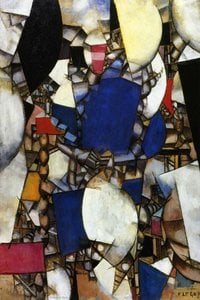
El Disco en la Ciudad

keywords": ["Fernand Léger", "Cubismo", "Tubismo", "Arte Moderno", "Ciudad", "Pintura"] }

Explore el arte de Fernand Léger (1881-1955), un pionero del Cubismo y 'Tubismo'. Descubre sus audaces pinturas figurativas que celebran la vida moderna, las máquinas y la forma humana. ¡Un precursor del Pop Art!

Adquiera una imagen digital de alta resolución y optimizada, muy superior a la vista previa en línea.

Cada archivo es preparado meticulosamente por nuestros especialistas internos mediante el uso de herramientas avanzadas y un experto retoque manual. Nos aseguramos de que cada imagen posea una claridad excepcional, una precisión cromática impecable y un detalle minucioso.

El archivo final se entrega por correo electrónico en un plazo de 72 horas, optimizado para su uso inmediato en entornos profesionales, editoriales y de impresión. Esta es la misma calidad en la que confían los estudios de diseño, las editoriales y las galerías de primer nivel.

Imagen Digital

Descarga un archivo de alta resolución para exhibición personal, impresión y proyectos creativos. (Cambiar a Impresión Cambiar a ImpresiónComprar pintura hecha a mano Comprar pintura hecha a mano)

Precio total

$ 24,90

Incluido en cada pedido de imágenes digitales

Entrega digital experta, garantizada.

Al elegir WahooArt.com, no solo está adquiriendo una imagen; está recibiendo una obra de arte digital mejorada profesionalmente, elaborada con precisión y respaldada por una garantía de satisfacción. Esto es todo lo que incluye su pedido, automáticamente:

shipping_icon
Entrega rápida por email

Recibirá su archivo de imagen digital en alta resolución por correo electrónico en un plazo de 72 horas tras realizar su pedido, listo para su uso inmediato.

canvas_icon
Archivo digital optimizado por IA

Su obra de arte se optimiza profesionalmente mediante herramientas avanzadas de IA y edición manual, garantizando el máximo detalle, claridad y precisión cromática.

insurance_icon
Reenvío gratuito de por vida

¿Has borrado o perdido tu archivo por error? No te preocupes: te lo volveremos a enviar en cualquier momento, sin coste adicional.

tax_icon
Sin gastos de importación, siempre

Disfrute de su obra de arte al instante sin aduanas, aranceles ni gastos de envío; las descargas digitales siempre están libres de impuestos.

color_icon
Garantía de fidelidad de color

Garantizamos que su imagen digital refleje los colores originales con la mayor fidelidad posible, mediante el uso de herramientas profesionales y gestión del color.

return_icon
Garantía de satisfacción de 100 días

Si no está satisfecho con su imagen digital, la revisaremos o le reembolsaremos el 100% en un plazo de 100 días, sin preguntas.

guarantee_icon
100% Garantía de devolución de dinero

¿No está satisfecho? Obtenga un reembolso completo dentro de los 100 días posteriores a la recepción de su archivo digital, sin preguntas.

discount_icon
Descuentos por pedidos grandes

Compra 3 imágenes, ahorra 10% - Compra 5, ahorra 15% - Compra 10+, ahorra 20%. Ideal para proyectos creativos, galerías y agencias.

Datos clave

  • Notable elements or techniques: Tubist style; Cylindrical forms
  • Title: A Disc in the City
  • Subject or theme: Urban landscape
  • Year: 1919
  • Medium: Oil on canvas
  • Location: Private Collection
  • Artistic style: Tubism

Test de arte

Cada pregunta tiene una única respuesta correcta.

Pregunta 1:
What artistic movement is Fernand Léger’s ‘A Disc in the City’ primarily associated with?
Pregunta 2:
The painting utilizes a technique known as Tubism, which emphasizes what visual element?
Pregunta 3:
'A Disc in the City' depicts a scene reflecting the influence of which artistic trend?
Pregunta 4:
What prominent figure influenced Léger’s stylistic approach, as exemplified by Picasso's ‘Mother and Child’?
Pregunta 5:
The painting incorporates multiple perspectives to create a dynamic visual experience. What is one key characteristic of this approach?

A Symphony of Cylinders: Exploring Fernand Léger’s “A Disc in the City”

Fernand Léger's "A Disc in the City," painted in 1919, stands as a cornerstone of Cubism and Tubism—a movement that irrevocably altered the trajectory of modern art. More than just an image of urban life; it’s a deliberate manifesto of Léger’s belief that abstraction could simultaneously convey both intellectual rigor and visceral emotion. This artwork isn't merely observed; it demands engagement, inviting viewers to decipher its geometric language and contemplate its profound symbolism.

The Tubist Vision: Embracing Cylindrical Forms

Léger’s affiliation with Tubism—a term coined by Louis Vauxcelles—was pivotal in shaping his artistic approach. Rejecting the fragmentation of Picasso's Cubism, Léger championed cylindrical shapes as a primary visual element, mirroring the industrial landscape and conveying a sense of relentless movement. “A Disc in the City” exemplifies this obsession; the dominant form is undeniably cylindrical, representing not just physical solidity but also the pervasive influence of machinery on human experience. This deliberate simplification wasn’t an abandonment of realism but rather a conscious decision to distill visual information into its most fundamental components—a bold assertion that form could communicate meaning as powerfully as color or texture.

Composition and Narrative Depth: Beyond Geometric Precision

The painting's composition is deceptively complex, layering perspectives and angles to create a dynamic tableau. At the center stands a boat – likely a lifeboat – symbolizing resilience and survival amidst the chaos of urban existence. Surrounding it are scattered other boats, reinforcing this theme of precariousness yet hinting at hope. A clock positioned on the right side serves as a poignant reminder of time’s passage, juxtaposed against the static geometry of the cylinder, highlighting the tension between past experience and future aspiration. Notably, a figure in the lower left corner observes the scene—a subtle inclusion that underscores the human element within Léger's stylized depiction. This careful arrangement isn’t simply decorative; it directs the viewer’s gaze and invites contemplation about the role of humanity within the burgeoning industrial age.

Influences and Context: Picasso’s Legacy

Léger’s artistic vision was undeniably shaped by his contemporaries, particularly Pablo Picasso. While Picasso explored Cubism with a focus on fracturing perspective and dissecting form, Léger sought to synthesize these techniques into a more unified aesthetic. Consider Picasso's “Mother and Child” (/art/list/?Filter=8XYP6B-Pablo-Picasso-Mother-and-child/), where Picasso’s masterful use of Cubist fragmentation contrasts with Léger’s embrace of cylindrical forms—a testament to the diverse paths taken by artists grappling with the challenges of representing reality in a new era. The painting emerged during the aftermath of World War I, reflecting anxieties about societal upheaval and embracing optimism for the future through technological advancement.

Emotional Resonance: A Bold Statement of Modernity

Ultimately, “A Disc in the City” transcends mere visual representation; it communicates an emotional response to its subject matter. Léger’s vibrant color palette—primarily reds and yellows—injects energy into the scene, conveying a sense of dynamism and vitality. The bold geometric forms aren't merely aesthetically pleasing; they embody Léger’s conviction that abstraction could capture the essence of industrial civilization without resorting to sentimentalism. Viewing this artwork is akin to confronting the transformative power of progress – a challenge to conventional artistic conventions and an enduring celebration of human ingenuity.

Biografía del artista

vida temprana y formación

fernand léger, un pintor, escultor y cineasta francés, nació el 4 de febrero de 1881 en Argentán, Orne, Baja Normandía. Su padre criaba ganado, y Léger inicialmente se formó como arquitecto de 1897 a 1899. Luego se mudó a París en 1900, ganándose la vida como dibujante arquitectónico.

desarrollo artístico

El trabajo temprano de Léger estuvo influenciado por el impresionismo, como se ve en le jardin de ma mère (mi madre's garden) (1905). Después de asistir a la escuela de artes decorativas y la academia Julian, comenzó a trabajar seriamente como pintor a los 25 años. Su estilo evolucionó hacia una forma personal del cubismo, que los críticos denominaron "tubismo" por su énfasis en las formas cilíndricas.

cubismo y el grupo puteaux

En 1910, Léger expuso en el salón de otoño junto a jean metzinger y henri le fauconnier. Se unió al grupo puteaux, también conocido como la sección dorada (la sección de oro), junto con otros artistas como francis picabia y marcel duchamp.

guerra y su influencia en el trabajo de léger

Las experiencias de Léger en la Primera Guerra Mundial impactaron significativamente su obra. Durante su tiempo en el frente, produjo dibujos de piezas de artillería, aviones y soldados compañeros. Su pintura soldier with a pipe (1916) refleja este período.

obra posterior y legado

La obra posterior de Léger, caracterizada por formas mecánicas y elegantes, lo vinculó a la tradición de la pintura figurativa francesa. Sus paisajes animados de 1921 mostraron figuras y animales en formas armoniosas y aerodinámicas. obras clave: museos que exhiben el trabajo de léger:
Fernand Léger

Fernand Léger

1881 - 1955 , Francia

Breves datos

  • Artistas Influenciados Por: ['Pop Art']
  • Artistas Que Influyeron:
    • Cézanne
    • Impresionismo
  • Fecha De Nacimiento: 4 de febrero de 1881
  • Lugar De Nacimiento: Argentan, Francia
  • Movimiento Artístico:
    • Cubismo
    • Tubismo
  • Nacionalidad: Francés
  • Nombre Completo: Fernand Léger
  • Obras Notables:
    • La Mujer Sentada
    • Elemento de Máquina
    • El Gran Desfile
    • Paisajes Animados