Asesoría de arte gratuita

x
Comprar impresión Comprar impresiónComprar imagen en alta resolución Comprar imagen en alta resolución EnviarEnviar
DetallesDetalles Añadir a favoritos Añadir a favoritos DescargarDescargar SimilaresSimilares Rayos XRayos X Presentación de diapositivasPresentación de diapositivas

Bargeman

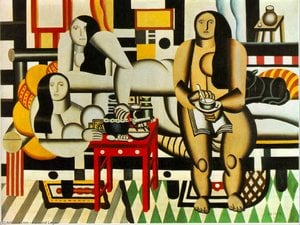
Explore Fernand Léger’s vibrant abstract depiction of figures amidst industrial forms—a captivating glimpse into the dynamism of 1918 French art. Admire this striking piece and bring home a timeless masterpiece.

Explore el arte de Fernand Léger (1881-1955), un pionero del Cubismo y 'Tubismo'. Descubre sus audaces pinturas figurativas que celebran la vida moderna, las máquinas y la forma humana. ¡Un precursor del Pop Art!

Reproducción al óleo hecha a mano

Óleo sobre lienzo pintado a mano en el tamaño y marco de su elección, realizado por encargo por nuestros artistas.

P118B $10
P118H $10
P118W $10
P438Z $10
P508JH $12
P508YH $12
P805H $10
P805Z $10
P919BZ $10
P919G $10
P919XJ $10
P959ZH $10
P968JZ $12
W106C $8
W218G $10
W218JH $8
W218Y $10
W307PJ $10
W316G $10
W316PJ $8
W316Y $10
W398PJ $8
W4111J $10
W500HY $15
W500JH $15
W692G $12
W849H $8
W940BG $15
W953PJ $8

Standard
custom
CM
INCH

Elija entre nuestros tamaños predefinidos que respetan las proporciones originales de la obra.

ancho
altura

Puede ingresar sus propias dimensiones para adaptarse a un marco o espacio específico. Si el tamaño seleccionado no coincide con las proporciones de la imagen original, recortaremos la obra o extenderemos la pintura con elementos adicionales pintados a mano. Se le enviará una maqueta digital para su aprobación antes de comenzar la producción.
Tenga en cuenta que la vista previa en pantalla no refleja el recorte o la extensión reales. Solo la maqueta mostrará con precisión la composición final.
Si bien existen tamaños personalizados, recomendamos seleccionar una dimensión de la lista predefinida para preservar las proporciones originales.

Ejemplos de lo que se puede personalizar: Reemplace el rostro con una foto del cliente; Agregue una mascota (por ejemplo, cambie un gato por un perro); Incluya un mensaje oculto en el fondo; Cambie el paisaje o los elementos del fondo.
Tras realizar el pedido, el equipo de WahooArt.com enviará un correo electrónico al cliente para solicitar instrucciones y proporcionarle una vista previa del boceto.

Entrega mundial () en 3-4 semanas en lugar de las 5 semanas estándar. (2 julio). Sin compromisos con la calidad.

why_choose_icon
Envío exprés gratuito a todo el mundo
why_choose_icon
Lienzo de lino de alta calidad
why_choose_icon
Seguro de envío total
why_choose_icon
Garantía de reembolso de impuestos aduaneros
why_choose_icon
Garantía de fidelidad de color
why_choose_icon
Política de devolución de 60 días (solo por defectos)
why_choose_icon
Garantía de devolución del 100% del dinero
why_choose_icon
Descuento por pedido múltiple

Precio total

-

reproduction

Bargeman

Técnica de reproducción

Tamaño de la reproducción

-

Precio total final

-

Datos clave

  • Year: 1918
  • Movement: Cubism
  • Subject or theme: Industrial landscape
  • Notable elements or techniques: Geometric abstraction; Bold color palette
  • Location: Private Collection
  • Title: Bargeman
  • Artistic style: Constructivist

Descripción de la obra

A Symphony of Form and Color: Exploring Fernand Léger’s “Bargeman”

Fernand Léger's "Bargeman," painted in 1918, isn’t merely a depiction of a rural scene; it’s an audacious declaration of artistic intent—a bold embrace of abstraction driven by the burgeoning influence of industrialization on European consciousness. This vibrant canvas captures a moment frozen in time, yet vibrates with energy and anticipates the stylistic breakthroughs that would characterize the subsequent decades of modern art. Léger's fascination with the machine age stemmed from his formative years observing the transformative changes occurring in Normandy’s agricultural landscape—a stark contrast to the burgeoning factories and urban sprawl of Paris. This duality informs every aspect of “Bargeman,” creating a visual dialogue between organic forms and geometric abstraction.
  • Subject Matter: The painting presents two figures – a man and a woman – positioned centrally against a backdrop of stylized objects and hues. These aren’t portraits in the traditional sense; rather, they are simplified representations designed to convey emotion and essence through abstracted shapes.
  • Style & Technique: Léger's signature style is characterized by “Constructivism,” prioritizing geometric forms—circles, squares, triangles—over realistic representation. He employs bold colors – reds, greens, yellows – applied in flat planes of pigment, creating a textured surface that emphasizes the materiality of paint itself. This technique deliberately rejects illusionistic depth, opting instead for an immediate visual impact.

Historical Context: The Dawn of Mechanization

“Bargeman” emerged during a period of profound societal upheaval in Europe. World War I had irrevocably altered the fabric of daily life, accelerating industrial progress and prompting artists to grapple with the implications of technological advancement. Léger’s work reflects this zeitgeist, mirroring the anxieties and aspirations surrounding the rise of machines and their impact on human experience. The painting isn't simply aesthetically pleasing; it embodies a philosophical stance—a belief that art could serve as a tool for communicating the realities of the modern world without resorting to sentimentalism or nostalgia.

Symbolic Resonance: Beyond Representation

While eschewing literal depiction, Léger imbues “Bargeman” with symbolic significance. The figures themselves are deliberately simplified, representing humanity stripped down to its fundamental elements—a deliberate rejection of academic conventions that prioritized idealized beauty. The surrounding objects – a cup, bottles, and a bowl – aren’t merely decorative additions; they symbolize the everyday tools and materials of labor and domestic life, subtly anchoring the abstract forms in a tangible reality. Léger's use of color isn’t arbitrary; reds convey passion and energy, greens evoke tranquility and growth, while yellows illuminate the scene with optimism—creating an emotional landscape that resonates with viewers.

Emotional Impact: A Vision of Progress

Ultimately, “Bargeman” communicates a powerful message about hope and resilience in the face of change. Léger’s masterful manipulation of form and color transcends mere visual spectacle; it invites contemplation on the relationship between humanity and technology—a dialogue that continues to hold relevance today. This artwork isn't just a beautiful reproduction; it's an invitation to engage with the intellectual currents of its time, appreciating Léger’s pioneering contribution to the canon of modern art and recognizing his enduring ability to capture the spirit of an era defined by transformative innovation.

Obras similares


Biografía del artista

vida temprana y formación

fernand léger, un pintor, escultor y cineasta francés, nació el 4 de febrero de 1881 en Argentán, Orne, Baja Normandía. Su padre criaba ganado, y Léger inicialmente se formó como arquitecto de 1897 a 1899. Luego se mudó a París en 1900, ganándose la vida como dibujante arquitectónico.

desarrollo artístico

El trabajo temprano de Léger estuvo influenciado por el impresionismo, como se ve en le jardin de ma mère (mi madre's garden) (1905). Después de asistir a la escuela de artes decorativas y la academia Julian, comenzó a trabajar seriamente como pintor a los 25 años. Su estilo evolucionó hacia una forma personal del cubismo, que los críticos denominaron "tubismo" por su énfasis en las formas cilíndricas.

cubismo y el grupo puteaux

En 1910, Léger expuso en el salón de otoño junto a jean metzinger y henri le fauconnier. Se unió al grupo puteaux, también conocido como la sección dorada (la sección de oro), junto con otros artistas como francis picabia y marcel duchamp.

guerra y su influencia en el trabajo de léger

Las experiencias de Léger en la Primera Guerra Mundial impactaron significativamente su obra. Durante su tiempo en el frente, produjo dibujos de piezas de artillería, aviones y soldados compañeros. Su pintura soldier with a pipe (1916) refleja este período.

obra posterior y legado

La obra posterior de Léger, caracterizada por formas mecánicas y elegantes, lo vinculó a la tradición de la pintura figurativa francesa. Sus paisajes animados de 1921 mostraron figuras y animales en formas armoniosas y aerodinámicas. obras clave: museos que exhiben el trabajo de léger:
Fernand Léger

Fernand Léger

1881 - 1955 , Francia

Datos clave

  • Artistas Influenciados Por: ['Pop Art']
  • Artistas Que Influyeron:
    • Cézanne
    • Impresionismo
  • Fecha De Nacimiento: 4 de febrero de 1881
  • Lugar De Nacimiento: Argentan, Francia
  • Movimiento Artístico:
    • Cubismo
    • Tubismo
  • Nacionalidad: Francés
  • Nombre Completo: Fernand Léger
  • Obras Notables:
    • La Mujer Sentada
    • Elemento de Máquina
    • El Gran Desfile
    • Paisajes Animados
Explore obras de arte organizadas por temas, estilos y características.