Asesoría de arte gratuita

x
Encargar reproducción Encargar reproducciónComprar imagen en alta resolución Comprar imagen en alta resolución EnviarEnviar
DetallesDetalles Añadir a favoritos Añadir a favoritos DescargarDescargar SimilaresSimilares Rayos XRayos X Presentación de diapositivasPresentación de diapositivas

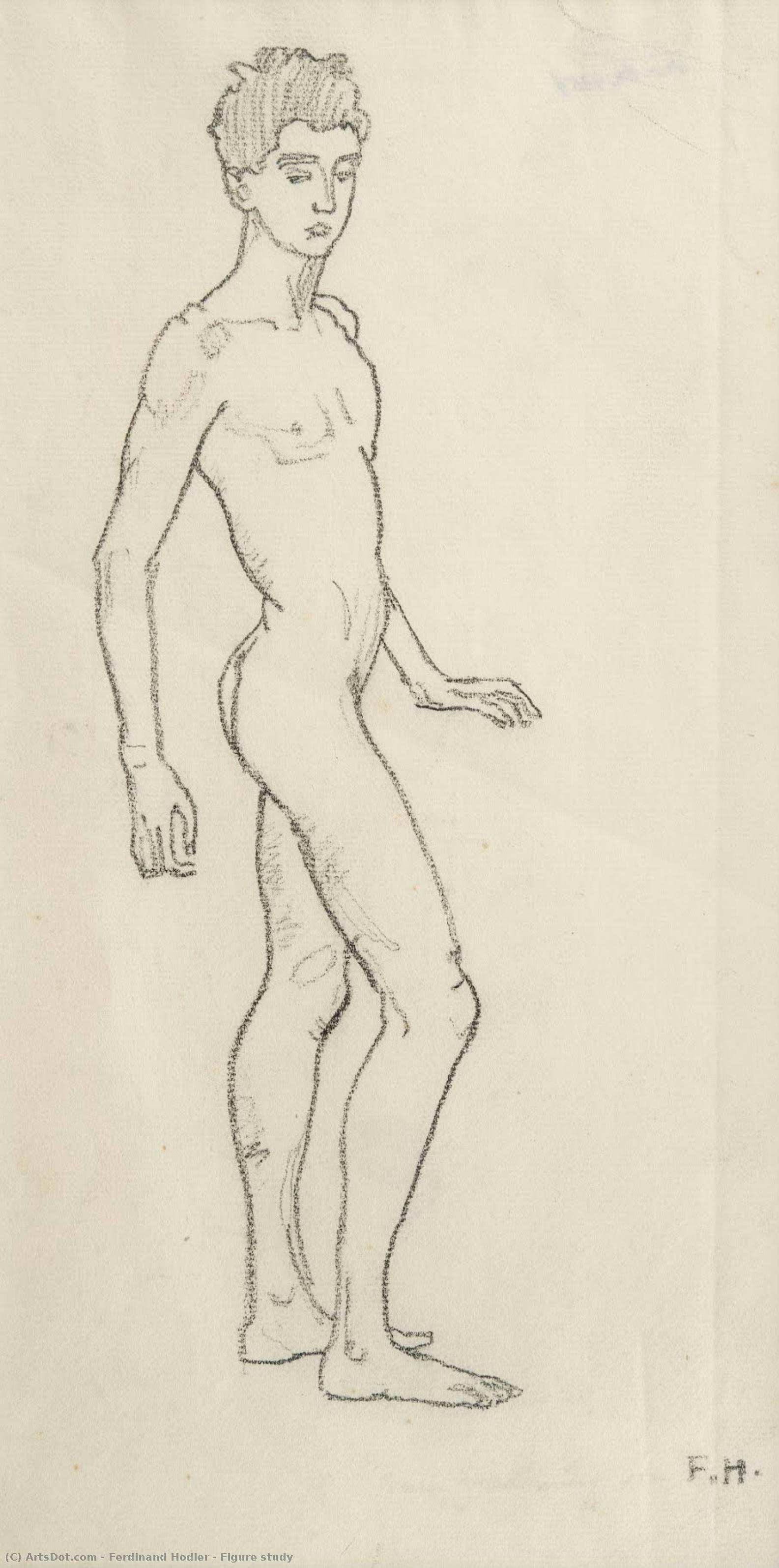
Figure study

Discover Ferdinand Hodler's 'Figure Study' (1901), a captivating pencil drawing showcasing male form & Symbolist lines. Explore the artist’s poignant exploration of mortality and beauty at WahooArt.

Descubre a Ferdinand Hodler (1853-1918), pintor suizo y precursor del expresionismo, conocido por su 'paralelismo' y evocadoras obras sobre la vida, la muerte y la naturaleza. Explora su legado.

Giclée / Impresión de arte

Impresión giclée o en lienzo de calidad de museo con producción rápida y opciones de acabado flexibles.

P118B $10
P118H $10
P118W $10
P438Z $10
P508JH $12
P508YH $12
P805H $10
P805Z $10
P919BZ $10
P919G $10
P919XJ $10
P959ZH $10
P968JZ $12
W106C $8
W218G $10
W218JH $8
W218Y $10
W307PJ $10
W316G $10
W316PJ $8
W316Y $10
W398PJ $8
W4111J $10
W500HY $15
W500JH $15
W692G $12
W849H $8
W940BG $15
W953PJ $8

Standard
custom
CM
INCH

Elija entre nuestros tamaños predefinidos que respetan las proporciones originales de la obra.

ancho
altura

Puede introducir sus propias dimensiones para adaptarse a un marco o espacio específico. Si el tamaño seleccionado no coincide con las proporciones de la imagen original, recortaremos la obra de arte o extenderemos la imagen con un borde con efecto espejo o de color sólido. Se enviará una maqueta digital para su aprobación antes de que comience la producción.
Tenga en cuenta que la vista previa en pantalla no refleja el recorte o la extensión real. Solo la maqueta mostrará con precisión la composición final.
Aunque existen tamaños personalizados, recomendamos seleccionar una dimensión de la lista predefinida para preservar las proporciones originales.

Entrega mundial () en 2 semanas en lugar de las 4/5 semanas estándar. (3 julio)

why_choose_icon
Envío exprés gratuito a todo el mundo
why_choose_icon
Lienzo de lino de alta calidad
why_choose_icon
Seguro de envío total
why_choose_icon
Garantía de reembolso de impuestos aduaneros
why_choose_icon
Garantía de fidelidad de color
why_choose_icon
Política de devolución de 60 días (solo por defectos)
why_choose_icon
Garantía de devolución del 100% del dinero
why_choose_icon
Descuento por pedido múltiple

Precio total

-

reproduction

Figure study

Giclée / Impresión de arte

Tamaño de la reproducción

-

Precio total final

-

Datos clave

  • Movement: Symbolism
  • Artist: Ferdinand Hodler
  • Medium: Drawing
  • Influences:
    • Calame
    • Holbein
  • Dimensions: 36 x 18 cm
  • Year: 1901
  • Location: National Gallery, BiH

Test de arte

Solo hay una respuesta correcta para cada pregunta.

Pregunta 1:
What is the primary subject depicted in Ferdinand Hodler’s ‘Figure study’?
Pregunta 2:
In what year was Ferdinand Hodler’s ‘Figure study’ created?
Pregunta 3:
According to the description, where is ‘Figure study’ currently housed?
Pregunta 4:
What artistic movement is Ferdinand Hodler most closely associated with?
Pregunta 5:
The image description mentions a technique Hodler employed called ‘parallelism’. What does this technique primarily focus on?

Descripción de la obra

The Genesis of a Symbolist Masterpiece

Ferdinand Hodler's “Figure Study,” created in 1901, isn’t merely a drawing; it’s a distilled essence of late 19th-century Swiss Symbolism. Born amidst profound personal loss – the untimely deaths of his father and brothers casting a long shadow over his early life – Hodler channeled these experiences into an artistic language deeply rooted in introspection and the exploration of universal themes. This particular work, executed with charcoal on paper, exemplifies his signature style: a deliberate rejection of photographic realism in favor of capturing the *feeling* of a subject, imbuing it with emotional resonance rather than precise detail.

The image depicts a solitary male figure standing with his hands resting comfortably on his hips. The pose is deceptively simple, yet brimming with quiet dignity and a subtle sense of contemplation. Hodler’s masterful use of line – loose, flowing, and almost hesitant – creates an atmosphere of dreamlike serenity. Notice how the shading isn't about rendering volume or texture; it’s about suggesting form through tonal variations, creating an ethereal quality that transcends the limitations of the medium.

Decoding the Symbolism: Parallelism in Action

Hodler developed a unique artistic philosophy he termed “parallelism,” and this concept is powerfully evident within "Figure Study." He believed that human life operated according to underlying rhythms and symmetries, mirroring the patterns found in nature. This principle manifests here through the figure’s balanced posture, his relaxed stance, and the deliberate arrangement of lines – they create a visual harmony that speaks to an innate sense of order. The drawing isn't about depicting a specific individual; it’s about representing a universal archetype of human experience: stillness, reflection, and perhaps even a touch of melancholy.

The choice of a nude male figure is also significant within the context of Hodler’s work. It’s not presented as overtly sexual but rather as an embodiment of vulnerability and humanity stripped bare – both literally and figuratively. The lack of background further isolates the subject, intensifying his introspection and inviting the viewer to project their own emotions and interpretations onto the image.

A Glimpse into a Lost Era: Context and Legacy

“Figure Study” was created during a period of immense artistic ferment in Europe. The Symbolist movement, with its emphasis on subjective experience, dream imagery, and spiritual themes, offered a powerful counterpoint to the prevailing realism and naturalism of the time. Hodler’s work aligns perfectly with this aesthetic, yet he possessed a distinctive voice – one characterized by a profound sensitivity to color, line, and form. The drawing is currently housed at the National Gallery of Bosnia and Herzegovina in Sarajevo, a testament to its enduring artistic value.

Hodler's influence extends far beyond Switzerland. His work paved the way for later movements such as Art Nouveau and Expressionism, demonstrating his remarkable ability to synthesize diverse influences into a cohesive and deeply personal style. Reproductions of “Figure Study” offer a beautiful opportunity to bring this evocative image into your home or office – a subtle reminder of the power of art to capture the essence of human emotion and experience.

Obras similares


Biografía del artista

Primeros años y formación artística

Ferdinand Hodler, pintor suizo, nació el 14 de marzo de 1853 en Berna, Suiza. Sus primeras obras se caracterizaron por retratos, paisajes y pinturas de género en un estilo realista. Sin embargo, posteriormente adoptó una forma personal de simbolismo, que él denominó "paralelismo".

Evolución del estilo de Hodler

A medida que avanzaba la carrera de Hodler, su obra evolucionó para combinar influencias de varios géneros, incluyendo el simbolismo y el art nouveau. En 1890, completó Noche, una pintura que marcó su transición hacia la imaginería simbolista. Esta pieza, que presenta varias figuras reclinadas, fue inicialmente recibida con controversia pero finalmente obtuvo atención favorable en París.

Obras destacadas y colecciones

  • El Día (1893), una pintura histórica a gran escala, es un ejemplo notable del trabajo de Hodler. Esta pieza, expuesta en el Kunsthaus Zúrich, demuestra su mezcla única de simbolismo y realismo.
  • El Museo Kunsthaus Zúrich, Suiza, cuenta con una impresionante colección de obras de Hodler, incluyendo Verdad II (1897), que puede ser vista en [https://WahooArt.com/art.nsf/o/a@d3b4gt](https://WahooArt.com/art.nsf/o/a@d3b4gt).

Legado e influencia

La adopción del simbolismo por parte de Hodler y el desarrollo del "paralelismo" han tenido un impacto duradero en el mundo del arte. Su trabajo puede verse como un precursor del expresionismo, con su énfasis en figuras fuertemente coloreadas y geométricas.
  • La biografía de Ferdinand Hodler está disponible en WahooArt, proporcionando una visión profunda de su vida y evolución artística.
  • La historia del desnudo en el arte, que ha sido un tema de interés a lo largo de la carrera de Hodler, puede explorarse más a fondo en [https://en.wikipedia.org/wiki/history_of_the_nude_in_art](https://en.wikipedia.org/wiki/history_of_the_nude_in_art).

Fechas clave

  • 1853: Nació en Berna, Suiza
  • 1890: Completó Noche, marcando su transición hacia la imaginería simbolista
  • 1918: Falleció el 19 de mayo
Lecturas recomendadas: Para una comprensión más profunda del trabajo de Hodler y del contexto en el que lo creó, explore los siguientes enlaces:
Ferdinand Hodler

Ferdinand Hodler

1853 - 1918 , Suiza

Datos clave

  • Artistas Que Influyeron:
    • Alexandre Calame
    • Gustave Courbet
    • Hans Holbein
  • Fecha De Muerte: 19 de mayo de 1918
  • Fecha De Nacimiento: 14 de marzo de 1853
  • Influencia En Artistas: ['Expresionismo']
  • Lugar De Nacimiento: Bern, Suiza
  • Movimiento Artístico: Simbolismo, Art Nouveau
  • Nacionalidad: Suizo
  • Nombre Completo: Ferdinand Hodler
  • Obras Notables:
    • La noche
    • El día
    • Verdad II
Explore obras de arte organizadas por temas, estilos y características.