Vista previa Vista previa en RA Cambiar a formato impreso Ver versión en imagen digital Compartir
Ver detalles Guía Añadir a favoritos Descargar Ver artículos similares Radiografía Presentación de diapositivas Estadísticas

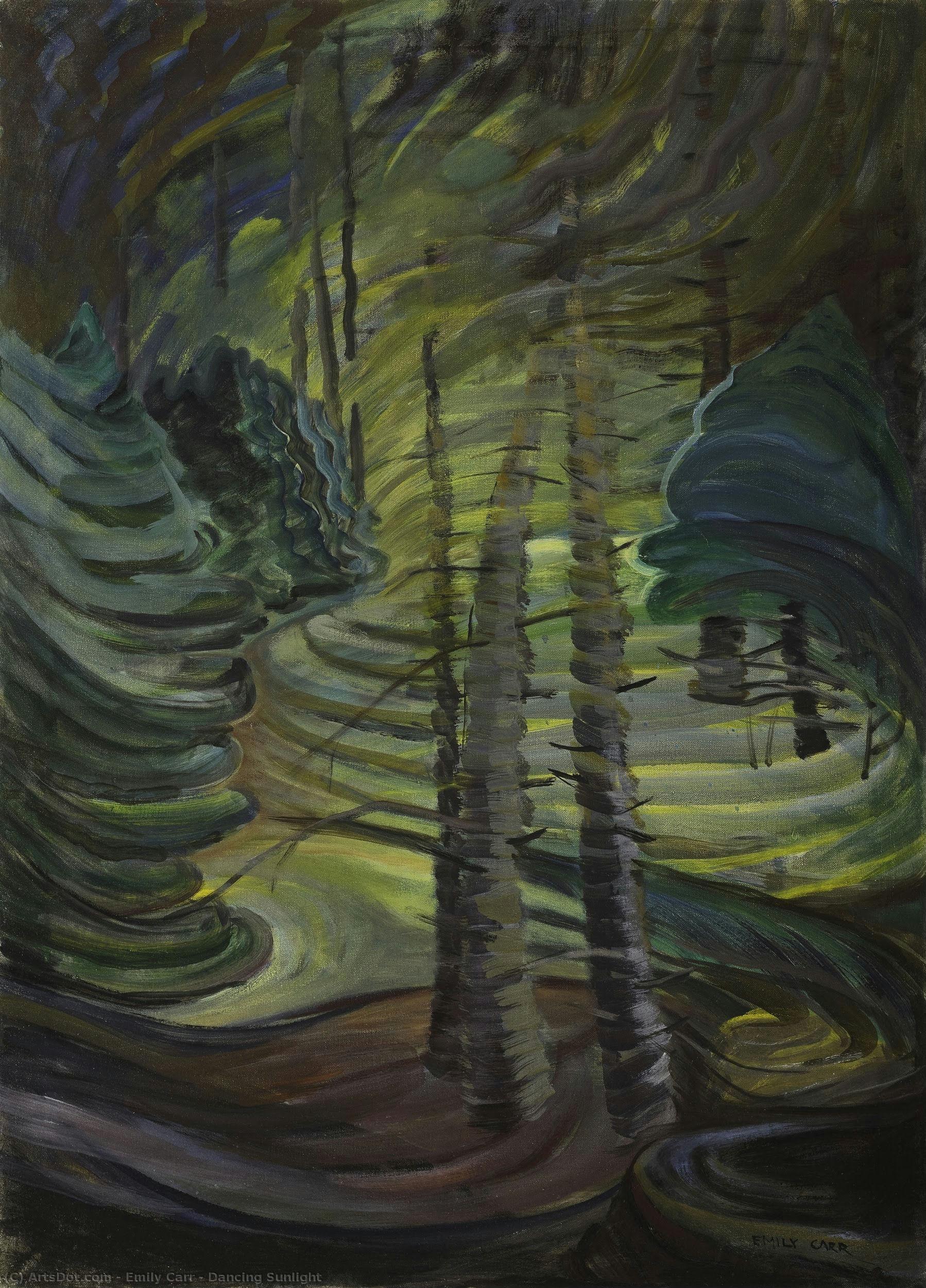
Dancing Sunlight

Discover "Dancing Sunlight," Emily Carr's evocative 1937 painting capturing the magic of British Columbia’s forests. Explore its rich details, artistic techniques & historical context.

Descubre a Emily Carr (1871-1945), pionera del arte moderno canadiense. Explora sus poderosas pinturas de paisajes y culturas indígenas de BC, fusionando postimpresionismo con una visión única. ¡Un ícono canadiense!

Reproducción al óleo hecha a mano

Óleo sobre lienzo pintado a mano en el tamaño y marco de su elección, realizado por encargo por nuestros artistas. ( Cambiar a formato impreso Ver versión en imagen digital)

Corner sample of the P118B picture frame: moulded polystyrene, 5 cm wide and 3 cm thick
P118B 10
Corner sample of the P118H picture frame: moulded polystyrene, 5 cm wide and 3 cm thick
P118H 10
Corner sample of the P118W picture frame: moulded polystyrene, 5 cm wide and 3 cm thick
P118W 10
Corner sample of the P438Z picture frame: moulded polystyrene, 5.5 cm wide and 3.5 cm thick
P438Z 10
Corner sample of the P508JH picture frame: moulded polystyrene, 7 cm wide and 3.5 cm thick
P508JH 12
Corner sample of the P508YH picture frame: moulded polystyrene, 7 cm wide and 3.5 cm thick
P508YH 12
Corner sample of the P805H picture frame: moulded polystyrene, 5 cm wide and 3.5 cm thick
P805H 10
Corner sample of the P805Z picture frame: moulded polystyrene, 5 cm wide and 3.5 cm thick
P805Z 10
Corner sample of the P919BZ picture frame: moulded polystyrene, 7 cm wide and 3.5 cm thick
P919BZ 10
Corner sample of the P919G picture frame: moulded polystyrene, 7 cm wide and 3.5 cm thick
P919G 10
Corner sample of the P919XJ picture frame: moulded polystyrene, 7 cm wide and 3.5 cm thick
P919XJ 10
Corner sample of the P959ZH picture frame: moulded polystyrene, 5 cm wide and 3 cm thick
P959ZH 10
Corner sample of the P968JZ picture frame: moulded polystyrene, 6 cm wide and 4 cm thick
P968JZ 12
Corner sample of the W106C picture frame: solid wood, 5 cm wide and 3 cm thick
W106C 8
Corner sample of the W218G picture frame: solid wood, 5 cm wide and 3 cm thick
W218G 10
Corner sample of the W218JH picture frame: solid wood, 5 cm wide and 3 cm thick
W218JH 8
Corner sample of the W218Y picture frame: solid wood, 5 cm wide and 3 cm thick
W218Y 10
Corner sample of the W307PJ picture frame: solid wood, 6 cm wide and 3 cm thick
W307PJ 10
Corner sample of the W316G picture frame: solid wood, 6 cm wide and 3 cm thick
W316G 10
Corner sample of the W316PJ picture frame: solid wood, 6 cm wide and 3 cm thick
W316PJ 8
Corner sample of the W316Y picture frame: solid wood, 6 cm wide and 3 cm thick
W316Y 10
Corner sample of the W398PJ picture frame: solid wood, 5 cm wide and 3 cm thick
W398PJ 8
Corner sample of the W4111J picture frame: solid wood, 6.5 cm wide and 3.5 cm thick
W4111J 10
Corner sample of the W500HY picture frame: solid wood, 7 cm wide and 5 cm thick
W500HY 15
Corner sample of the W500JH picture frame: solid wood, 7 cm wide and 5 cm thick
W500JH 15
Corner sample of the W692G picture frame: solid wood, 8 cm wide and 4 cm thick
W692G 12
Corner sample of the W849H picture frame: solid wood, 5 cm wide and 3 cm thick
W849H 8
Corner sample of the W940BG picture frame: solid wood, 7.5 cm wide and 4.5 cm thick
W940BG 15
Corner sample of the W953PJ picture frame: solid wood, 6 cm wide and 3.5 cm thick
W953PJ 8

Estándar
personalizado
CM
INCH

Elija entre nuestros tamaños predefinidos que respetan las proporciones originales de la obra.

ancho
altura

Puede ingresar sus propias dimensiones para adaptarse a un marco o espacio específico. Si el tamaño seleccionado no coincide con las proporciones de la imagen original, recortaremos la obra o extenderemos la pintura con elementos adicionales pintados a mano. Se le enviará una maqueta digital para su aprobación antes de comenzar la producción.
Tenga en cuenta que la vista previa en pantalla no refleja el recorte o la extensión reales. Solo la maqueta mostrará con precisión la composición final.
Si bien existen tamaños personalizados, recomendamos seleccionar una dimensión de la lista predefinida para preservar las proporciones originales.

Ejemplos de lo que se puede personalizar: Reemplace el rostro con una foto del cliente; Agregue una mascota (por ejemplo, cambie un gato por un perro); Incluya un mensaje oculto en el fondo; Cambie el paisaje o los elementos del fondo.
Tras realizar el pedido, el equipo de WahooArt.com enviará un correo electrónico al cliente para solicitar instrucciones y proporcionarle una vista previa del boceto.

Envío a todo el mundo () en 3-4 semanas en lugar de las 5 semanas estándar. (10 octubre). Sin comprometer la calidad.

Envío exprés gratuito a todo el mundo
Lienzo de lino de alta calidad
Seguro de envío completo
Garantía de reembolso de impuestos aduaneros
Garantía de fidelidad cromática exacta
Política de devolución de 100 días (solo por defectos)
Garantía de devolución del 100% del dinero
Oferta por volumen

Precio total

€ 234

Dancing Sunlight

Técnica de reproducción

Tamaño de la reproducción

-

Precio total

€ 234

Datos clave

  • Influences: Landscape
  • Notable elements: Forest scene
  • Artistic style: Expressionism
  • Subject or theme: Nature, Night
  • Year: 1937
  • Medium: Painting

Emily Carr's "Dancing Sunlight": A Nocturne of Spirit and Timber

“Dancing Sunlight,” painted in 1937 by Emily Carr, offers an intimate glimpse into the heart of British Columbia’s wilderness – a scene rendered with a profound understanding of light, texture, and the enduring spirit of the land. This evocative work captures a forest at night, not as darkness, but as a vibrant tapestry woven from the last vestiges of sunset and the emerging shadows. The artist's meticulous attention to detail, particularly in the depiction of the trees – some sharply defined, others softened by atmospheric haze – creates a sense of depth that draws the viewer into this tranquil space. It’s a painting that speaks not just of visual beauty but of a deep connection to nature, a hallmark of Carr’s artistic legacy.

Style and Technique: Impressionistic Brushwork

  • Impressionistic Approach: Carr employs an impressionistic technique, prioritizing the immediate sensation of light and color over precise representation. The brushstrokes are visible, contributing to a dynamic surface that seems to shimmer with reflected light.
  • Layered Application: Notice the layering of paint – thin washes build up atmospheric perspective, while thicker impasto creates texture in the tree trunks and foliage. This technique enhances the three-dimensionality of the scene.
  • Color Palette: The dominant hues are warm oranges, reds, and yellows, indicative of the setting sun, contrasted with cooler blues and greens that suggest the deepening shadows. Carr’s masterful use of color evokes a sense of warmth and tranquility.

Historical Context and Emily Carr's Vision

Painted in 1937, “Dancing Sunlight” reflects a pivotal moment in Emily Carr’s career. Following years spent documenting the coastal forests and First Nations communities of British Columbia, she was increasingly drawn to the interior landscapes. This work exemplifies her evolving style – a move towards greater abstraction while retaining a deep respect for the natural world. The painting also speaks to the broader cultural context of the time, when there was growing interest in preserving Canada’s wilderness areas. Carr's art became an important voice advocating for the protection of these unique environments.

Symbolism and Emotional Impact

More than a simple landscape painting, “Dancing Sunlight” is imbued with symbolic meaning. The ‘dancing sunlight’ itself suggests movement, energy, and perhaps even spirituality – a connection between the earthly realm and something beyond. Carr's work frequently explored themes of solitude, resilience, and the power of nature to inspire awe and reverence. The composition invites contemplation, prompting viewers to consider their own relationship with the natural world. The painting’s quiet intensity evokes a sense of peace and wonder, capturing the essence of a timeless moment in the forest.

Dimensions & Reproduction Details

Size: 83 x 60 cm (approximately 32.7 x 23.6 inches)

Date: 1937

WahooArt offers a meticulously crafted hand-painted reproduction of Emily Carr’s “Dancing Sunlight,” ensuring the highest quality and authenticity. Each reproduction is created using archival materials, guaranteeing lasting beauty and preserving the original artwork's vibrant colors for generations to come.

Preguntas y respuestas

¿En qué año se creó "Dancing Sunlight"?

La creación de "Dancing Sunlight" de Emily Carr data de 1937.

¿Dónde puedo encontrar estadísticas sobre "Dancing Sunlight" de Emily Carr?

Las estadísticas sobre "Dancing Sunlight" de Emily Carr se encuentran en la página de Estadísticas de la obra: visitas mensuales de la obra, visitas a las obras del artista y desgloses por país e idioma de los visitantes recientes.

¿A qué periodo histórico pertenece "Dancing Sunlight" de Emily Carr?

El periodo histórico de "Dancing Sunlight" de Emily Carr es 19th Century. Esta clasificación sitúa la obra en la historia del arte.

¿De qué tamaño se recomienda "Dancing Sunlight" para un Living Room?

Para un/a Living Room, el tamaño de impresión recomendado para "Dancing Sunlight" de Emily Carr es Large.

¿Se puede reproducir libremente la imagen de "Dancing Sunlight" de Emily Carr?

"Dancing Sunlight" de Emily Carr es de en el dominio público: sus derechos de autor han expirado. Este estado determina cómo se puede reproducir la imagen de la obra.

¿Quién creó "Dancing Sunlight"?

El artista detrás de "Dancing Sunlight" es Emily Carr. La obra está catalogada bajo el nombre de Emily Carr.

¿Qué edad tenía Emily Carr cuando creó "Dancing Sunlight" en 1937?

Emily Carr tenía 66 años cuando creó "Dancing Sunlight" en 1937. La edad se calcula a partir del año de nacimiento del artista, 1871.


Biografía del artista

Primeros años e influencias

  • Nacimiento: 13 de diciembre de 1871, Victoria, Columbia Británica
  • Fallecimiento: 2 de marzo de 1945, Victoria, Columbia Británica
  • Antecedentes familiares: Emily Carr era la segunda más joven de nueve hijos nacidos de Richard y Emily (Saunders) Carr. Su padre fue un inmigrante inglés que estableció un negocio exitoso en Victoria.

  • Inclinaciones artísticas tempranas: Animada por su padre, Emily demostró talento artístico desde una edad temprana. Recibió instrucción artística temprana y mostró un gran interés en representar el mundo natural que la rodeaba.
  • Educación: Estudió en el San Francisco Art Institute (1890-1892) y en la Westminster School of Art de Londres (1899). Estas experiencias la expusieron a varios estilos artísticos, pero finalmente desarrolló una visión única.
  • Influencias tempranas: Los paisajes de Columbia Británica, particularmente Vancouver Island, influyeron profundamente en el trabajo temprano de Carr. También se sintió atraída por el arte y la cultura de los pueblos indígenas que habitaban la región.

Desarrollo artístico y estilo

  • Comienzos postimpresionistas: Inicialmente, el estilo de Carr tendía hacia el Postimpresionismo, influenciado por artistas europeos. Sin embargo, gradualmente se alejó de la representación convencional para desarrollar un enfoque más expresivo y personal.
  • Enfoque en la cultura indígena: Un punto de inflexión importante en su carrera fue su exploración de las aldeas y el arte de los pueblos indígenas. Buscó capturar la esencia espiritual y la riqueza cultural de estas comunidades en sus pinturas.
  • Aceptación del modernismo: Carr se convirtió en una de las primeras pintoras canadienses en adoptar el Modernismo, caracterizado por colores audaces, pinceladas dinámicas y una ruptura con el realismo tradicional.
  • Estilo único: Su estilo se caracteriza por su intensidad emocional, paleta de colores vibrantes y uso distintivo de la textura. A menudo empleaba técnicas de empaste grueso para crear una sensación de movimiento y energía en sus pinturas.

Obras importantes y exposiciones

  • Pinturas notables: Tanoo (acuarela), A Haida Village (óleo), The Indian Church (óleo) son algunas de sus obras más celebradas, que muestran su mezcla única de técnicas modernistas y temas indígenas.
  • Exposiciones: Carr participó en varias exposiciones a lo largo de su carrera, incluida la "Exposición de arte de los pueblos modernos y primeros de las Primeras Naciones de la Costa Noroeste Canadiense" en la Galería Nacional de Canadá.
  • Klee Wyck (1941): Su autobiografía, Klee Wyck, ganó el Premio Literario del Gobernador General para no ficción, lo que demuestra su talento como escritora y cronista de la vida en Columbia Británica.

Legado y significado histórico

  • "Madre del arte canadiense moderno": Emily Carr es ampliamente considerada una pionera del arte canadiense moderno, allanando el camino para las futuras generaciones de artistas.
  • Reconocimiento de la cultura indígena: Su trabajo ayudó a crear conciencia sobre la cultura y las tradiciones artísticas de los pueblos indígenas en Canadá.
  • Influencia en artistas posteriores: Inspiró a numerosos artistas canadienses con su visión única y su compromiso inquebrantable con su oficio. Pegi Nicol Macleod es un ejemplo.
  • Icono nacional: El legado de Carr se extiende más allá de su obra, ya que se ha convertido en un símbolo de independencia artística, exploración cultural y la belleza del paisaje de Columbia Británica. Un planeta menor, 5688 Kleewyck, fue nombrado en honor a su nombre anglicizado nativo.
Emily Carr

Emily Carr

1871 - 1945 , Canadá

Datos clave

  • Artistas Que Influyeron:
    • Van Gogh
    • Monet
    • Pissarro
    • Matisse
  • Fecha De Fallecimiento: 2 de marzo de 1945
  • Fecha De Nacimiento: 13 de diciembre de 1871
  • Influenciados Por Ella:
    • Nicol Macleod
    • Sophia Pemberton
  • Lugar De Nacimiento: Victoria, Canadá
  • Movimiento Artístico: Modernismo, Postimpresionismo
  • Nacionalidad: Canadiense
  • Nombre Completo: Emily Carr
  • Obras Notables:
    • Tanoo
    • A Haida Village
    • The Indian Church
Explore obras de arte organizadas por temas, estilos y características.