Asesoría de arte gratuita

x
Comprar impresión Comprar impresiónEncargar reproducción Encargar reproducción EnviarEnviar
DetallesDetalles Añadir a favoritos Añadir a favoritos DescargarDescargar SimilaresSimilares Rayos XRayos X Presentación de diapositivasPresentación de diapositivas

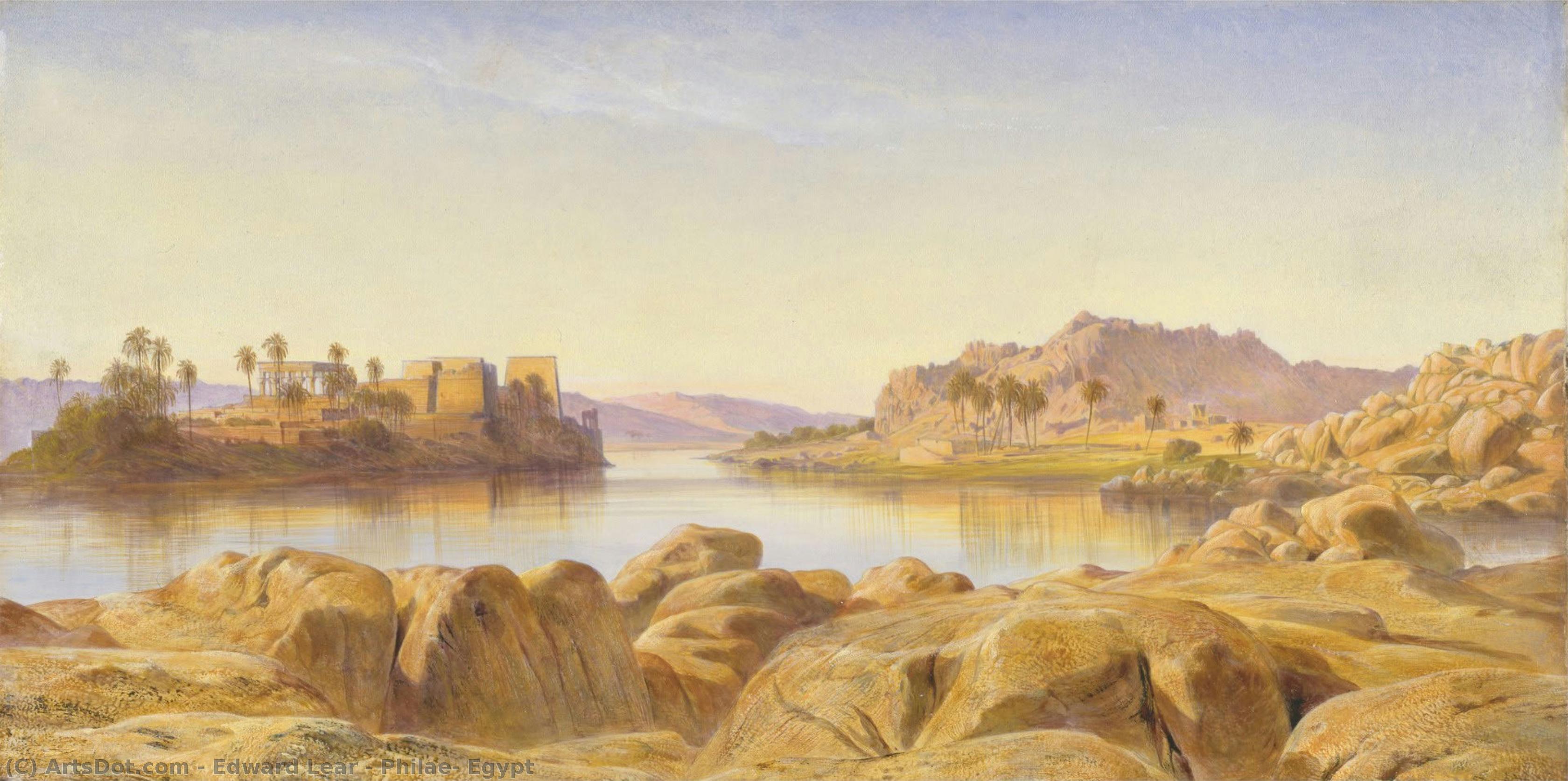
Philae, Egypt

Edward Lear's "Philae, Egypt, 1863" captures a serene landscape of ancient Egypt with mountains and water. A beautiful oil painting by the whimsical artist, showcasing his unique style.

Descubre a Edward Lear (1812-1888), artista e ilustrador inglés. Paisajes vibrantes, poemas nonsense como 'El búho y el gato' y aves detalladas. ¡Un innovador victoriano!

Adquiera una imagen digital de alta resolución y optimizada, muy superior a la vista previa en línea.

Cada archivo es preparado meticulosamente por nuestros especialistas internos mediante el uso de herramientas avanzadas y un experto retoque manual. Nos aseguramos de que cada imagen posea una claridad excepcional, una precisión cromática impecable y un detalle minucioso.

El archivo final se entrega por correo electrónico en un plazo de 72 horas, optimizado para su uso inmediato en entornos profesionales, editoriales y de impresión. Esta es la misma calidad en la que confían los estudios de diseño, las editoriales y las galerías de primer nivel.

Imagen Digital

Descarga un archivo de alta resolución para exhibición personal, impresión y proyectos creativos.

Precio total

$9.99

Incluido en cada pedido de imagen digital

Entrega digital experta, garantizada.

Al elegir WahooArt.com, no solo está adquiriendo una imagen; está recibiendo una obra de arte digital mejorada profesionalmente, elaborada con precisión y respaldada por una garantía de satisfacción. Esto es todo lo que incluye su pedido, automáticamente:

shipping_icon
Entrega rápida por email

Recibirá su archivo de imagen digital en alta resolución por correo electrónico en un plazo de 72 horas tras realizar su pedido, listo para su uso inmediato.

canvas_icon
Archivo digital optimizado con IA

Su obra de arte se optimiza profesionalmente mediante herramientas avanzadas de IA y edición manual, garantizando el máximo detalle, claridad y precisión cromática.

insurance_icon
Reenvío gratuito de por vida

¿Has borrado o perdido tu archivo por error? No te preocupes: te lo volveremos a enviar en cualquier momento, sin coste adicional.

tax_icon
Sin cargos de importación - Siempre

Disfrute de su obra de arte al instante sin aduanas, aranceles ni gastos de envío; las descargas digitales siempre están libres de impuestos.

color_icon
Garantía de fidelidad de color

Garantizamos que su imagen digital refleje los colores originales con la mayor fidelidad posible, mediante el uso de herramientas profesionales y gestión del color.

return_icon
Garantía de satisfacción de 60 días

Si no está satisfecho con su imagen digital, la revisaremos o le reembolsaremos el 100% en un plazo de 60 días, sin preguntas.

guarantee_icon
100% Garantía de devolución de dinero

¿No está satisfecho? Obtenga un reembolso completo dentro de los 60 días posteriores a la recepción de su archivo digital, sin preguntas.

discount_icon
Descuentos por pedidos al por mayor

Compra 3 imágenes, ahorra 10% - Compra 5, ahorra 15% - Compra 10+, ahorra 20%. Ideal para proyectos creativos, galerías y agencias.

Datos clave

  • Location: Yale Center for British Art
  • Title: Philae, Egypt
  • Artistic style: Landscape painting
  • Dimensions: 27 x 53 cm
  • Artist: Edward Lear
  • Subject or theme: Egyptian scenery
  • Medium: Oil on canvas

Test de arte

Solo hay una respuesta correcta para cada pregunta.

Pregunta 1:
What is the primary subject depicted in the painting "Philae, Egypt"?
Pregunta 2:
In what year was the painting "Philae, Egypt" created?
Pregunta 3:
Who is the artist responsible for creating the painting "Philae, Egypt"?
Pregunta 4:
What type of landscape is most prominently featured in the painting?
Pregunta 5:
Based on the description, what is a key characteristic of Edward Lear's artistic style?

Descripción del coleccionable

A Vision of Ancient Egypt: Edward Lear’s “Philae, Egypt, 1863”

Edward Lear's "Philae, Egypt, 1863" isn’t merely a landscape painting; it’s a portal. A meticulously rendered vista of the ancient Egyptian island city of Philae, nestled within the embrace of a vast, shimmering lake, it invites us to step back in time and experience the serenity and grandeur of this once-sacred site. The scene unfolds with a quiet dignity – a majestic mountain range dominates the background, its peaks softened by atmospheric haze, while a sprawling body of water reflects the sky above, creating an illusion of infinite depth. Scattered across the foreground are figures—likely travelers or locals—adding a subtle human element to this otherwise timeless tableau. Lear’s choice of palette is masterful; he employs muted blues and greens for the water, contrasted with earthy ochres and browns for the mountains and surrounding landscape. This restrained color scheme doesn't diminish the scene's beauty; rather, it enhances its sense of realism and evokes a feeling of distant memory.

The painting’s historical context is crucial to understanding its emotional resonance. Philae, dedicated to the goddess Isis, held immense religious significance for centuries. By the 19th century, however, much of the island complex had fallen into disrepair and was threatened by rising waters from the Aswan Dam project. Lear's depiction, created just a few years before the dam’s completion, captures a fleeting moment in time—a testament to the beauty that was about to be lost. It speaks to a poignant awareness of cultural heritage and the inevitable passage of history.

The Delicate Brushwork: A Study in Watercolor Technique

Lear's distinctive style is immediately recognizable through his delicate, almost translucent watercolor technique. He eschews bold outlines and heavy brushstrokes, instead favoring subtle gradations of color and washes that create a sense of atmospheric perspective. The mountains, for instance, are rendered with layers of pale blue and grey, suggesting distance and the play of light on their surfaces. The water’s surface is treated with a shimmering quality—a series of broken strokes and diluted pigments that capture its fluidity and reflectivity. This meticulous attention to detail, combined with his mastery of color, results in an image that feels both incredibly detailed and remarkably ethereal.

He employed a technique known as ‘wet-on-wet,’ applying wet paint onto a still-damp surface, allowing the colors to bleed and blend together organically. This created soft edges and diffused tones, contributing significantly to the painting’s dreamlike quality. The layering of washes is particularly evident in the depiction of the distant mountains, where faint outlines gradually fade into the hazy background.

Symbolism and a Sense of Isolation

Beyond its purely representational qualities, “Philae, Egypt, 1863” carries layers of symbolic meaning. The vastness of the landscape—the towering mountains and expansive water—evokes a sense of human insignificance in the face of nature’s grandeur. The scattered figures in the foreground serve as reminders of our connection to the past, yet their isolation suggests a feeling of detachment from this ancient world. Lear himself was known for his introspective nature and fascination with solitude; these themes resonate deeply within the painting.

Furthermore, the island itself—a sanctuary dedicated to Isis, a powerful goddess associated with magic, motherhood, and protection—hints at a deeper spiritual significance. The scene can be interpreted as a meditation on faith, memory, and the enduring power of ancient traditions. The inclusion of figures enjoying the view suggests an appreciation for beauty and tranquility, values that seem timeless and universal.

A Legacy of Wonder: Reproductions and Artistic Inspiration

Reproductions of “Philae, Egypt, 1863” offer a remarkable opportunity to experience Lear’s artistic vision firsthand. Whether displayed in a grand salon or a cozy study, this painting evokes a sense of wonder and invites contemplation. Its delicate beauty and evocative atmosphere make it an ideal choice for collectors seeking pieces that are both visually stunning and intellectually stimulating. The painting's enduring appeal lies not only in its technical mastery but also in its ability to transport us to another time and place—a world of ancient mysteries, breathtaking landscapes, and the quiet contemplation of human existence.

Obras similares


Biografía del artista

**Primeros años y carrera**

Edward Lear, un renombrado artista inglés, ilustrador, músico, autor y poeta, nació el 12 de mayo de 1812 en Holloway, al norte de Londres. Siendo el penúltimo de 21 hijos, la vida de Lear se caracterizó por un inicio temprano de su carrera a los 15 años. Su padre, Jeremiah Lear, corredor de bolsa, enfrentó dificultades financieras tras las guerras napoleónicas, lo que llevó a una reducción de los recursos familiares y a la necesidad de que Lear se mantuviera económicamente desde temprana edad.

**Contribuciones Artísticas**

Las contribuciones artísticas de Lear son multifacéticas:
  • Ilustraciones de aves y animales: Empleado por la Sociedad Zoológica, sus primeros trabajos mostraron su habilidad para ilustrar aves y animales.
  • Pintura de paisajes: Tras sus extensos viajes por Europa y Asia, Lear se dedicó a la pintura de paisajes, capturando la esencia de estas regiones en sus obras.
  • Autor y poeta: La fama de Lear reside en su poesía sin sentido, limericks y versos humorísticos, como se ve en sus libros "A Book of Nonsense" (1846), "Nonsense Songs" (1871) y "Laughable Lyrics" (1877).
  • Composiciones musicales: Lear compuso arreglos musicales para la poesía de Alfred Tennyson, con doce obras publicadas.

**Obras Notables y Legado**

Algunas de las obras más notables de Lear incluyen:
  • “The Owl and the Pussycat”, un poema que se ha convertido en sinónimo de su estilo.
  • “The Dong with the Luminous Nose”, mostrando su enfoque fantástico a la poesía.
  • Ilustraciones de la familia de Psittacidae, o loros (1830), su primera publicación a los 19 años.

Desarrollo y Evolución Artística

Lear experimentó una notable evolución en su estilo artístico a lo largo de su carrera. Inicialmente conocido por sus detalladas ilustraciones científicas de aves, especialmente loros, rápidamente se inclinó hacia paisajes más libres y expresivos. Sus viajes por Europa y el Mediterráneo influyeron profundamente en su paleta de colores y en la atmósfera de sus pinturas, que a menudo evocan una sensación de ensueño y fantasía. La transición de ilustrador científico a pintor de paisajes y poeta sin sentido refleja una búsqueda constante de nuevas formas de expresión artística y literaria. Su habilidad para combinar lo realista con lo imaginario le permitió crear un universo único y reconocible en sus obras, que cautivó al público victoriano y continúa inspirando a artistas y escritores hasta el día de hoy.

Influencia e Importancia Histórica

Edward Lear dejó una huella indeleble en la cultura victoriana y posterior. Su poesía sin sentido influyó en generaciones de escritores y humoristas, sentando las bases para movimientos como el surrealismo y el dadaísmo. Sus ilustraciones, con su estilo distintivo y atención al detalle, establecieron un nuevo estándar para la ilustración científica y artística. Además, sus paisajes pintados al óleo capturaron la belleza y la atmósfera de lugares exóticos, contribuyendo a la fascinación del público victoriano por los viajes y las culturas lejanas. Lear es recordado como un innovador que desafió las convenciones artísticas y literarias de su tiempo, creando un legado único y perdurable que sigue siendo celebrado en todo el mundo.
Edward Lear

Edward Lear

1812 - 1888 , Reino Unido

Información clave

  • Estilo Artístico: Ilustración, paisaje, nonsense
  • Fecha De Fallecimiento: 1888
  • Fecha De Nacimiento: 12 de mayo de 1812
  • Lugar De Nacimiento: Londres, Reino Unido
  • Nacionalidad: Británico
  • Nombre Completo: Edward Lear
  • Obras Notables:
    • El búho y el gato
    • El dong con la nariz luminosa
    • Ilustraciones de loros