Vende tus obras
x
Vista previaVista previa Vista previa en RAVista previa en RA Encargar reproducción pintada a mano Encargar reproducción pintada a manoComprar descarga Comprar descarga CompartirCompartir
Ver detallesVer detalles Añadir a favoritos Añadir a favoritos DescargarDescargar Ver similaresVer similares RadiografíaRadiografía Presentación de diapositivasPresentación de diapositivas

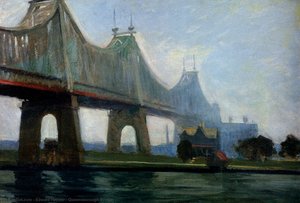
Manhattan Bridge Loop

Edward Hopper’s haunting Manhattan Bridge Loop captures urban solitude in muted tones—a masterful depiction of the Jazz Age's anxieties—inviting viewers to contemplate the quiet drama unfolding against a monumental cityscape.

Explore las icónicas pinturas realistas americanas de Edward Hopper (1882-1967). Conocido por sus evocadoras escenas urbanas y rurales, su maestrosa utilización de la luz y sus temas de soledad y vida moderna. Descubre 'House by the Railroad' y más en WahooArt.

Giclée / Impresión de arte

Impresiones giclée o en lienzo de calidad de museo con producción rápida y opciones de acabado flexibles. (Encargar reproducción pintada a mano Encargar reproducción pintada a manoComprar descarga Comprar descarga)

P118B $10
P118H $10
P118W $10
P438Z $10
P508JH $12
P508YH $12
P805H $10
P805Z $10
P919BZ $10
P919G $10
P919XJ $10
P959ZH $10
P968JZ $12
W106C $8
W218G $10
W218JH $8
W218Y $10
W307PJ $10
W316G $10
W316PJ $8
W316Y $10
W398PJ $8
W4111J $10
W500HY $15
W500JH $15
W692G $12
W849H $8
W940BG $15
W953PJ $8

Standard
custom
CM
INCH

Elija entre nuestros tamaños predefinidos que respetan las proporciones originales de la obra.

ancho
altura

Puede introducir sus propias dimensiones para adaptarse a un marco o espacio específico. Si el tamaño seleccionado no coincide con las proporciones de la imagen original, recortaremos la obra de arte o extenderemos la imagen con un borde con efecto espejo o de color sólido. Se enviará una maqueta digital para su aprobación antes de que comience la producción.
Tenga en cuenta que la vista previa en pantalla no refleja el recorte o la extensión real. Solo la maqueta mostrará con precisión la composición final.
Aunque existen tamaños personalizados, recomendamos seleccionar una dimensión de la lista predefinida para preservar las proporciones originales.

Envío a todo el mundo () en 2 semanas en lugar de las 4/5 semanas estándar. (18 agosto)

why_choose_icon
Envío exprés gratuito a todo el mundo
why_choose_icon
Lienzo de lino de alta calidad
why_choose_icon
Seguro de envío completo
why_choose_icon
Garantía de reembolso de aranceles aduaneros
why_choose_icon
Garantía de fidelidad cromática exacta
why_choose_icon
Política de devolución de 60 días (solo por defectos)
why_choose_icon
Garantía de devolución del 100% del dinero
why_choose_icon
Oferta por volumen

Precio total

$ 68

reproduction

Manhattan Bridge Loop

Giclée / Impresión de arte

Tamaño de la reproducción

-

Precio total

$ 68

Datos clave

  • Movement: American Realism
  • Influences: Romanticism
  • Artist: Edward Hopper
  • Subject or theme: Urban Isolation
  • Location: Addison Gallery of American Art, Phillips Academy
  • Title: Manhattan Bridge Loop
  • Year: 1928

Cuestionario de arte

Cada pregunta tiene una única respuesta correcta.

Pregunta 1:
What is the primary subject matter depicted in Edward Hopper’s ‘Manhattan Bridge Loop’?
Pregunta 2:
The painting utilizes what artistic technique to convey mood and atmosphere?
Pregunta 3:
In what year was ‘Manhattan Bridge Loop’ created?
Pregunta 4:
What is Hopper's artistic intention as expressed in his statement about painting?
Pregunta 5:
Where is ‘Manhattan Bridge Loop’ currently housed?

Descripción de la pieza

A Symphony of Solitude: The Urban Poetics of Manhattan Bridge Loop

In the quiet, pre-dawn stillness of 1928, Edward Hopper captured more than just a New York City streetscape; he distilled the very essence of modern existence. Manhattan Bridge Loop serves as a profound meditation on the paradox of urban life—the experience of being surrounded by millions yet remaining profoundly alone. As the early morning light filters through the hazy atmosphere of the metropolis, it illuminates a scene that feels both monumental and deeply intimate. The composition, anchored by the sweeping architectural presence of the bridge, invites the viewer to step into a moment frozen in time, where the rhythmic pulse of the city has momentarily slowed to a contemplative heartbeat.

The technical mastery of this piece lies in Hopper’s ability to use chiaroscuro to sculpt emotion. Through the dramatic interplay of light and shadow, the artist breathes life into the cold textures of brick, steel, and pavement. His palette is a sophisticated study in restraint, utilizing muted browns, somber grays, and weathered, rusty hues that evoke the grit and grandeur of the Jazz Age. These colors do not merely represent the physical environment; they set a psychological tone of quiet melancholy. The deliberate, controlled brushstrokes create a sense of stillness so palpable that one can almost hear the distant echo of footsteps against the concrete, making it an ideal centerpiece for those seeking to bring a sense of thoughtful depth and historical gravity to a curated interior.

The Architecture of Isolation and Memory

Beyond its visual allure, the painting functions as a symbolic landscape of the human condition. The two figures positioned within the frame—one walking away into the shadows, the other gazing toward the horizon—act as avatars for the viewer’s own reflections on connection and detachment. They are not protagonists in a grand drama, but rather quiet observers of an indifferent cityscape. This sense of urban isolation is heightened by the towering skyscrapers that loom over the street, creating a scale that emphasizes the vulnerability of the individual against the immensity of the modern machine. For the collector, this work offers a window into the post-World War I era, reflecting the widespread disillusionment and the shifting social landscapes of an America grappling with rapid industrialization.

For interior designers and art enthusiasts alike, Manhattan Bridge Loop offers a timeless aesthetic that transcends fleeting trends. Its monochromatic undertones and structural composition provide a sophisticated anchor for contemporary spaces, blending seamlessly with minimalist or classic decor. To possess a reproduction of this masterpiece is to hold a piece of American history—a fragment of a time when the world was changing irrevocably, captured through the eyes of a master who found beauty in the shadows and poetry in the lonely corners of the city.


Biografía del artista

**vida temprana e influencias**

edward hopper, un destacado pintor y grabador realista estadounidense, nació el 22 de julio de 1882 en Upper Nyack, Nueva York. Su familia, de ascendencia mayoritariamente holandesa, proporcionó una crianza cómoda que le permitió perseguir sus inclinaciones artísticas desde temprana edad. - **inspiraciones:** La obra de Hopper fue influenciada por las escrituras de Ralph Waldo Emerson y los maestros impresionistas franceses Édouard Manet y Edgar Degas. - **formación inicial:** Comenzó estudios de arte con un curso por correspondencia en 1899, posteriormente transfiriéndose a la Escuela de Arte y Diseño de Nueva York.

**estilo artístico y temas**

edward hopper's representaciones cuidadosas y con un diseño preciso reflejaban su visión personal de la vida moderna estadounidense. Su obra se puede caracterizar por: - **escenas urbanas y rurales:** Ambos entornos fueron retratados con una mezcla única de realismo y profundidad emocional. - **iluminación:** Un dominio de la luz, a menudo utilizada para evocar sentimientos de aislamiento o contemplación. - **figuras:** A menudo sin rostro o en segundo plano, enfatizando al entorno sobre las figuras.

**obras notables y su significado**

- House by the Railroad (Museo de Arte Moderno, Nueva York, Estados Unidos), un ejemplo de la capacidad de Hopper para evocar una sensación de melancolía a través de una composición simple pero poderosa. - Reclining Nude (50 x 35 cm, Nuevo Realismo, acuarela), que muestra su versatilidad para capturar la forma humana.

**legado e influencia**

- **influencia en artistas futuros:** El estilo único de Hopper ha influido a numerosos artistas, incluyendo Pierre Sanford Ross, conocido por sus escenas urbanas y rurales. - **popularidad perdurable:** Sus obras continúan cautivando al público con sus temas atemporales de soledad y la condición humana.

**explora más en WahooArt**

- [https://WahooArt.com/@/edward-hopper](obras de Edward Hopper) - /es/art/show/art-8xyffg-es/compra arte inspirado por los maestros)
  • Profundiza en el mundo del arte con la extensa colección de WahooArt.
  • Descubre cómo el legado de Edward Hopper continúa inspirando a artistas y amantes del arte.

**referencias**

- [https://WahooArt.com/@/edward-hopper](Wikipedia: Edward Hopper) - [https://en.wikipedia.org/wiki/edward_hopper](Wikipedia: Biografía de Edward Hopper)
Edward Hopper

Edward Hopper

1931 - 1967 , Estados Unidos de América

Datos clave

  • Artistas Influenciados: ['Pierre Sanford Ross']
  • Artistas Que Influyeron:
    • Ralph Waldo Emerson
    • Édouard Manet
    • Edgar Degas
  • Fecha De Muerte: 1967
  • Fecha De Nacimiento: 22 de julio de 1882
  • Lugar De Nacimiento: Upper Nyack, EE. UU.
  • Movimiento Artístico: Realismo americano
  • Nacionalidad: Estadounidense
  • Nombre Completo: Edward Hopper
  • Obras Notables:
    • House by the Railroad
    • Reclining Nude
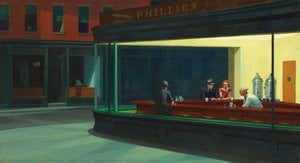
    • Nighthawks
    • Gas
    • Chop Suey
Explore obras de arte organizadas por temas, estilos y características.