Asesoría de arte gratuita

x
Encargar reproducción Encargar reproducciónComprar imagen en alta resolución Comprar imagen en alta resolución EnviarEnviar
DetallesDetalles Añadir a favoritos Añadir a favoritos DescargarDescargar SimilaresSimilares Rayos XRayos X Presentación de diapositivasPresentación de diapositivas

untitled (5401)

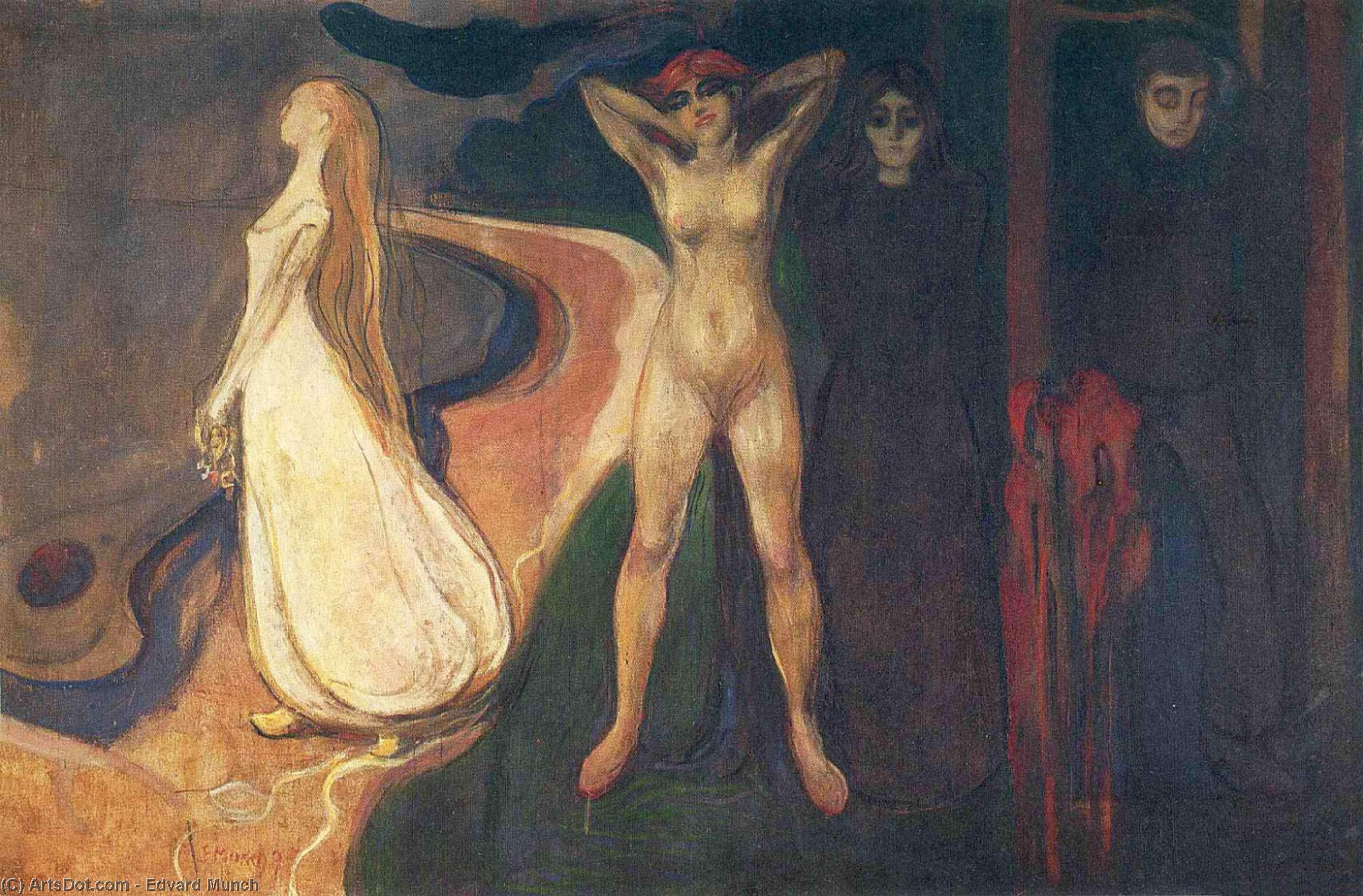
Experience Edvard Munch's iconic 'untitled (5401)' – a haunting black & white depiction of figures shrouded in mystery and emotion, reflecting the artist’s exploration of anxiety and the human condition.

Descubre a Edvard Munch (1863-1944), pionero del Expresionismo. Explora 'El Grito' y su arte que ahonda en la ansiedad, la mortalidad, el amor y temas psicológicos. ¡Reproducciones exclusivas en WahooArt!

Giclée / Impresión de arte

Impresión giclée o en lienzo de calidad de museo con producción rápida y opciones de acabado flexibles.

P118B $10
P118H $10
P118W $10
P438Z $10
P508JH $12
P508YH $12
P805H $10
P805Z $10
P919BZ $10
P919G $10
P919XJ $10
P959ZH $10
P968JZ $12
W106C $8
W218G $10
W218JH $8
W218Y $10
W307PJ $10
W316G $10
W316PJ $8
W316Y $10
W398PJ $8
W4111J $10
W500HY $15
W500JH $15
W692G $12
W849H $8
W940BG $15
W953PJ $8

Standard
custom
CM
INCH

Elija entre nuestros tamaños predefinidos que respetan las proporciones originales de la obra.

ancho
altura

Puede introducir sus propias dimensiones para adaptarse a un marco o espacio específico. Si el tamaño seleccionado no coincide con las proporciones de la imagen original, recortaremos la obra de arte o extenderemos la imagen con un borde con efecto espejo o de color sólido. Se enviará una maqueta digital para su aprobación antes de que comience la producción.
Tenga en cuenta que la vista previa en pantalla no refleja el recorte o la extensión real. Solo la maqueta mostrará con precisión la composición final.
Aunque existen tamaños personalizados, recomendamos seleccionar una dimensión de la lista predefinida para preservar las proporciones originales.

Entrega mundial () en 2 semanas en lugar de las 4/5 semanas estándar. (3 julio)

why_choose_icon
Envío exprés gratuito a todo el mundo
why_choose_icon
Lienzo de lino de alta calidad
why_choose_icon
Seguro de envío total
why_choose_icon
Garantía de reembolso de impuestos aduaneros
why_choose_icon
Garantía de fidelidad de color
why_choose_icon
Política de devolución de 60 días (solo por defectos)
why_choose_icon
Garantía de devolución del 100% del dinero
why_choose_icon
Descuento por pedido múltiple

Precio total

-

reproduction

untitled (5401)

Giclée / Impresión de arte

Tamaño de la reproducción

-

Precio total final

-

Datos clave

  • Artistic style: Symbolist, Expressionist
  • Location: Munch Museum, Oslo
  • Movement: Expressionism
  • Title: untitled (5401)
  • Influences:
    • Munch
    • Van Gogh
  • Subject or theme: Anxiety, Fear, Ritual

Test de arte

Solo hay una respuesta correcta para cada pregunta.

Pregunta 1:
What is the primary emotional theme conveyed in Edvard Munch’s ‘untitled (5401)’?
Pregunta 2:
The painting features three women. What is the most likely interpretation of their interaction?
Pregunta 3:
Edvard Munch is most closely associated with which art movement?
Pregunta 4:
Considering the historical context, what might have inspired Munch’s exploration of themes like anxiety and mortality?
Pregunta 5:
Based on the image description, what is a key characteristic of the scene depicted?

Descripción de la obra

The Haunting Echoes of Anxiety: Unpacking Edvard Munch’s “Untitled (5401)”

Edvard Munch's "Untitled (5401)," a black and white study rendered in oil, isn’t merely a painting; it’s a distilled essence of existential dread. Created around 1893, during a period of intense personal turmoil for the artist – marked by illness, loss, and a profound sense of isolation – this work serves as a window into the burgeoning Expressionist movement and Munch's deeply subjective exploration of the human psyche. The painting’s power lies not in dramatic spectacle but in its quiet intensity, radiating an unsettling atmosphere that continues to resonate with viewers over a century later.

At first glance, the composition presents three women arranged within a dimly lit interior space. Their postures are subtly awkward, their gazes averted, creating a palpable sense of unease and detachment. The central figure, positioned slightly off-center, is rendered in broad, gestural strokes, her face obscured by shadow yet radiating an almost unbearable sorrow. The other two women, flanking her on either side, appear equally lost within their own private worlds, their long gowns suggesting a formality that clashes sharply with the scene’s underlying sense of disquiet. The presence of several onlookers in the background – one prominent on the left and another towards the right – hints at an event unfolding, a shared experience of something profoundly unsettling.

A Masterclass in Expressionist Technique

Munch's technique is deliberately raw and emotive, eschewing traditional representational accuracy for a visceral portrayal of feeling. He employs loose, swirling brushstrokes to convey movement and instability, blurring the lines between figure and background. The stark contrast between light and shadow – a hallmark of his style – amplifies the painting’s dramatic effect, creating an almost hallucinatory quality. Notice how he uses the blackness not as simply absence of color, but as a tangible force, pressing in on the figures and enveloping the scene in a suffocating gloom. The deliberate lack of detail forces the viewer to focus entirely on the emotional content, amplifying the sense of vulnerability and psychological strain.

The choice of monochrome – a deliberate departure from the vibrant colors favored by many of his contemporaries – further underscores the painting’s somber mood. Black and white, traditionally associated with mourning and death, lends an air of finality to the scene, suggesting that this is not merely a snapshot of a moment but a reflection on mortality itself. The limited palette intensifies the emotional impact, stripping away any superficial distractions and forcing the viewer to confront the raw core of human suffering.

Symbolism and the Language of the Soul

“Untitled (5401)” is rich in symbolic meaning, reflecting Munch’s preoccupation with themes of anxiety, isolation, and the fragility of human existence. The women themselves can be interpreted as representations of different facets of the self – perhaps a mother, a daughter, and a confidante – each grappling with their own inner demons. The act of observing or participating in whatever event is taking place suggests a shared experience of dread, highlighting the isolating nature of profound emotional distress. The obscured faces invite speculation and projection; viewers are compelled to bring their own anxieties and experiences to bear on the scene.

Munch’s personal life—his mother's death from tuberculosis, his sister’s descent into madness, and his own struggles with mental illness—provided a constant source of inspiration. He famously described “The Scream” as being inspired by a sudden feeling of overwhelming dread while walking at sunset, an experience he sought to capture in this painting through the depiction of a shared, unspoken horror. The painting is not about depicting a specific event but rather conveying the *feeling* of impending doom—a sensation that resonated deeply with the anxieties of the late 19th century and continues to hold relevance today.

A Timeless Reflection on the Human Condition

“Untitled (5401)” transcends its historical context, offering a profoundly moving meditation on the universal experience of anxiety and isolation. Its enduring power lies in its ability to evoke a visceral response—a sense of unease, vulnerability, and perhaps even recognition. It’s a testament to Munch's genius that he could distill such complex emotions into a single, haunting image. Whether displayed as a striking statement piece or reproduced on canvas for your home, this painting serves as a potent reminder of the enduring complexities of the human psyche.

Obras similares


Biografía del artista

Edvard Munch: Vida y Legado

Primeros Años e Influencias (1863-1889)

Edvard Munch nació el 12 de diciembre de 1863, en Adelsbruk, Suecia, aunque pasó la mayor parte de su vida en Noruega. Su infancia estuvo profundamente marcada por la tragedia y la inestabilidad. La temprana pérdida de su madre a causa de tuberculosis cuando tenía cinco años, seguida de la muerte de su querida hermana Sophie por la misma enfermedad nueve años después, dejaron una marca indeleble en la psique de Munch. También luchó contra un miedo constante a heredar la enfermedad mental familiar que afligió a su padre. Estas experiencias le inculcaron una profunda preocupación por la mortalidad, la enfermedad y el sufrimiento psicológico – temas que dominarían su producción artística.

La educación temprana de Munch en la Escuela Real de Arte y Diseño en Kristiania (ahora Oslo) resultó fundamental. Allí, conoció al filósofo nihilista Hans Jæger, quien animó a Munch a explorar sus tormentos internos y expresarlos a través del arte, rechazando los estilos académicos convencionales. Esta mentoría lo impulsó hacia un enfoque más subjetivo y emocionalmente cargado en la pintura.

Desarrollo Artístico e Influencias Parisinas (1890-1900)

La década de 1890 presenció el desarrollo artístico crucial de Munch, fuertemente influenciado por sus viajes a París y Berlín. En París, se expuso al vibrante panorama artístico y absorbió las influencias de los Postimpresionistas como Paul Gauguin, Vincent van Gogh y Henri de Toulouse-Lautrec. Abrazó su uso audaz del color, sus pinceladas expresivas y su rechazo a la representación naturalista. La intensidad emocional de Van Gogh resonó particularmente con las propias luchas de Munch.

Su tiempo en Berlín le permitió contactar al dramaturgo sueco August Strindberg, una relación que resultó tanto personal como estimulante artisticamente. Este período también vio el origen de su ambicioso ciclo “La Franja de la Vida”—una colección de pinturas que exploran temas de amor, miedo, celos, traición y muerte – todos representados con intensa emotividad y profundidad psicológica.

Obras Principales y Estilo Artístico (1900-1920s)

El estilo artístico de Munch se caracteriza por su emoción cruda, sus formas distorsionadas y el uso simbólico del color. Se alejó de la representación realista, priorizando la expresión de los sentimientos internos sobre la representación objetiva. Sus obras a menudo evocan una sensación de inquietud, ansiedad y desesperación existencial.

  • El Grito (1893-1910): Su pintura más icónica, que representa a una figura abrumada por una crisis existencial contra un paisaje en llamas y retorcido. Existen múltiples versiones en varios medios.
  • La Madonna (1894-1895): Una obra controvertida y profundamente personal que explora temas de sexualidad, maternidad y mortalidad.
  • El Niño Enfermo (varias versiones): Un motivo recurrente que refleja el trauma infantil de Munch y la pérdida de seres queridos.
  • Melancolía I (1891) & II (1892): Representaciones poderosas de la profunda tristeza y el aislamiento.

Años Posteriores, Reconocimiento y Legado (1920s-1944)

A pesar de lograr cada vez más fama y éxito financiero en su vida posterior, la vida personal de Munch siguió siendo turbulenta. Un grave colapso mental en 1908 condujo a un período de hospitalización y abstinencia del alcohol. Sin embargo, sus años posteriores vieron una resurgimiento de la creatividad y el reconocimiento, particularmente en Kristiania (Oslo). Recibió numerosos premios y elogios, consolidando su reputación como uno de los artistas más importantes de Noruega.

Munch murió el 23 de enero de 1944, en Ekely, cerca de Oslo. Su legado está asegurado por el Museo Munch (establecido en 1963), que alberga una extensa colección de sus obras, incluyendo numerosas versiones de *El Grito*, así como otras pinturas, grabados y dibujos significativos.

Significado Histórico

La contribución de Edvard Munch al arte moderno es innegable. Se considera una figura clave en el desarrollo del Expresionismo, abriendo camino a los artistas que buscaban transmitir emociones y estados psicológicos subjetivos en lugar de la realidad objetiva. Su exploración sin tapujos de las experiencias humanas universales – amor, pérdida, ansiedad y muerte – sigue resonando con el público mundial, convirtiéndolo en una de las figuras más influyentes y perdurables en la historia del arte. Su obra impactó profundamente a las generaciones posteriores de artistas, influyendo en movimientos como el Expresionismo alemán y más allá, consolidando su lugar como un artista visionario que se atrevió a confrontar los aspectos más oscuros de la condición humana.

Edvard Munch

Edvard Munch

1863 - 1944 , Suecia

Datos clave

  • Artistas Influenciados Por Este Artista: ['Expresionismo alemán']
  • Artistas Que Influyeron:
    • Paul Gauguin
    • Vincent van Gogh
    • Henri de Toulouse-Lautrec
  • Fecha De Muerte: 23 de enero de 1944
  • Fecha De Nacimiento: 12 de diciembre de 1863
  • Lugar De Nacimiento: Adelsbruk, Suecia
  • Movimiento Artístico: Expresionismo
  • Nacionalidad: Noruego
  • Nombre Completo: Edvard Munch
  • Obras Notables:
    • El Grito
    • La Madonna
    • El Niño Enfermo
    • Melancolía I & II
Explore obras de arte organizadas por temas, estilos y características.