Vista previa Vista previa en RA Cambiar a formato impreso Ver versión en imagen digital Compartir
Ver detalles Guía Añadir a favoritos Descargar Ver artículos similares Radiografía Presentación de diapositivas Estadísticas

Sunrise

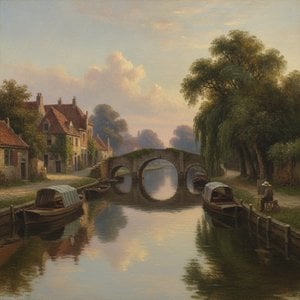
Claude-Joseph Vernet's "Sunrise" captures a serene coastal scene with a castle and boats, showcasing the artist’s mastery of maritime light and atmospheric perspective.

Descubre a Claude-Joseph Vernet (1714-1789), maestro francés de paisajes y escenas marinas. Admira su arte equestre, puertos atmosféricos y tormentas dramáticas en WahooArt.

Reproducción al óleo hecha a mano

Óleo sobre lienzo pintado a mano en el tamaño y marco de su elección, realizado por encargo por nuestros artistas. ( Cambiar a formato impreso Ver versión en imagen digital)

P118B $10
P118H $10
P118W $10
P438Z $10
P508JH $12
P508YH $12
P805H $10
P805Z $10
P919BZ $10
P919G $10
P919XJ $10
P959ZH $10
P968JZ $12
W106C $8
W218G $10
W218JH $8
W218Y $10
W307PJ $10
W316G $10
W316PJ $8
W316Y $10
W398PJ $8
W4111J $10
W500HY $15
W500JH $15
W692G $12
W849H $8
W940BG $15
W953PJ $8

Estándar
personalizado
CM
INCH

Elija entre nuestros tamaños predefinidos que respetan las proporciones originales de la obra.

ancho
altura

Puede ingresar sus propias dimensiones para adaptarse a un marco o espacio específico. Si el tamaño seleccionado no coincide con las proporciones de la imagen original, recortaremos la obra o extenderemos la pintura con elementos adicionales pintados a mano. Se le enviará una maqueta digital para su aprobación antes de comenzar la producción.
Tenga en cuenta que la vista previa en pantalla no refleja el recorte o la extensión reales. Solo la maqueta mostrará con precisión la composición final.
Si bien existen tamaños personalizados, recomendamos seleccionar una dimensión de la lista predefinida para preservar las proporciones originales.

Ejemplos de lo que se puede personalizar: Reemplace el rostro con una foto del cliente; Agregue una mascota (por ejemplo, cambie un gato por un perro); Incluya un mensaje oculto en el fondo; Cambie el paisaje o los elementos del fondo.
Tras realizar el pedido, el equipo de WahooArt.com enviará un correo electrónico al cliente para solicitar instrucciones y proporcionarle una vista previa del boceto.

Envío a todo el mundo () en 3-4 semanas en lugar de las 5 semanas estándar. (25 septiembre). Sin comprometer la calidad.

why_choose_icon
Envío exprés gratuito a todo el mundo
why_choose_icon
Lienzo de lino de alta calidad
why_choose_icon
Seguro de envío completo
why_choose_icon
Garantía de reembolso de impuestos aduaneros
why_choose_icon
Garantía de fidelidad cromática exacta
why_choose_icon
Política de devolución de 100 días (solo por defectos)
why_choose_icon
Garantía de devolución del 100% del dinero
why_choose_icon
Oferta por volumen

Precio total

$ 272

reproduction

Sunrise

Técnica de reproducción

Tamaño de la reproducción

-

Precio total

$ 272

Datos clave

  • Location: Private Collection
  • Medium: Painting
  • Dimensions: 96 x 133 cm
  • Year: 1760
  • Notable elements: Maritime light, castle
  • Title: Sunrise
  • Artistic style: Landscape painting

Cuestionario de arte

Cada pregunta tiene una única respuesta correcta.

Pregunta 1:
What is the primary subject depicted in Claude-Joseph Vernet’s ‘Sunrise’?
Pregunta 2:
In what year was Claude-Joseph Vernet’s ‘Sunrise’ painted?
Pregunta 3:
The painting 'Sunrise' exemplifies Vernet’s skill in capturing which aspect of the natural world?
Pregunta 4:
What historical period does Claude-Joseph Vernet’s work primarily reflect?
Pregunta 5:
Considering the image description, what is a prominent element in the foreground of ‘Sunrise’?

A Dawn of Light: Vernet’s “Sunrise”

Claude-Joseph Vernet's "Sunrise," painted circa 1760, isn’t merely a depiction of a morning scene; it’s an immersion into the very essence of light and atmosphere. The painting captures a tranquil coastal vista – a castle perched dramatically on a distant headland, reflected in the shimmering expanse of water below – all bathed in the nascent glow of a rising sun. It's a work that speaks volumes about Vernet’s mastery of capturing fleeting moments and his profound understanding of how light transforms the world around us. The scene is imbued with a sense of serenity, yet there’s an underlying dynamism, a feeling of movement as the sun crests the horizon and awakens the landscape. Vernet wasn't simply rendering what he saw; he was translating the *feeling* of that first, glorious light into paint.

The Master of Maritime Light

Vernet’s reputation rests largely on his extraordinary ability to portray maritime scenes with unparalleled realism and emotional depth. Born in Bordeaux in 1714, his early artistic inclinations were firmly rooted in the observation of horses – a fascination evident even in his childhood sketches. This meticulous attention to detail, particularly concerning animal anatomy, subtly informed his later work, lending a remarkable sense of life and movement to figures within broader compositions. However, it was his time in Rome that truly ignited his passion for landscape painting, specifically the dramatic interplay of light on water and sky. He sought out the raw power of the sea, studying whales off the coast of Marseille, an experience that profoundly shaped his artistic vision. His training under his father, Antoine Vernet, a decorative painter, and Nicolas-Bernard Lépicié provided him with a solid academic foundation, but it was in Italy that he truly discovered his calling – capturing the ephemeral beauty of nature’s light.

Technique and Composition: A Symphony of Color

“Sunrise” exemplifies Vernet's signature style: a masterful blend of observation and artistic license. The painting is executed with a loose, almost impressionistic technique—a hallmark of his later work. He employed rapid brushstrokes to capture the shifting qualities of light, creating an atmospheric haze that softens the details and emphasizes the overall mood. Notice how he builds up layers of color – delicate washes of blue and violet in the sky gradually giving way to warmer hues of orange and gold as the sun ascends. The castle itself is rendered with a subtle solidity, providing a grounding element within the ethereal scene. The composition is carefully balanced, drawing the eye across the canvas from the distant silhouette of the castle to the shimmering water and finally to the radiant sunrise. Vernet’s use of chiaroscuro – the dramatic contrast between light and shadow – further enhances the painting's visual impact, creating a sense of depth and drama.

Symbolism and Emotional Resonance

Beyond its technical brilliance, “Sunrise” resonates with profound symbolic meaning. The rising sun itself is a potent symbol of rebirth, hope, and new beginnings. The castle, often associated with power and authority, could represent the enduring legacy of civilization against the backdrop of nature’s vastness. The boats on the water evoke themes of travel, exploration, and connection – suggesting humanity's desire to navigate both the physical world and the complexities of life. More subtly, the painting speaks to a sense of tranquility and contemplation, inviting the viewer to pause and appreciate the simple beauty of a new day. It’s not just a pretty picture; it’s an invitation to find peace in the face of the unknown.

A Timeless Masterpiece: Reproduction Possibilities

Today, “Sunrise” stands as a testament to Vernet's artistic genius – a captivating work that continues to inspire and move viewers centuries after its creation. High-quality reproductions offer a remarkable opportunity to bring this evocative scene into your home or office. The meticulous detail and atmospheric quality of the original are faithfully reproduced in our hand-painted reproductions, ensuring that you experience the full emotional impact of Vernet’s masterpiece. Consider how “Sunrise” would complement your interior design – its serene palette and dramatic composition adding a touch of timeless elegance to any space.

Biografía del artista

Primeros años y formación

Claude-Joseph Vernet, un renombrado pintor francés, nació el 14 de agosto de 1714 en Burdeos, Francia. Desde la tierna edad de cinco años, exhibió una pasión extraordinaria por dibujar caballos, lo que más tarde se convertiría en una característica distintiva de su carrera artística. Vernet recibió la formación académica tradicional como alumno de su padre y Nicolas-Bernard Lépicié, perfeccionando aún más sus habilidades.

Logros destacados

  • En 1782, Vernet ganó el prestigioso Prix de Rome, un testimonio de su destreza artística.
  • Su hijo, Antoine Charles Horace Vernet, también siguió los pasos de su padre como pintor.

Obras icónicas

Evolución artística e influencias

Claude-Joseph Vernet desarrolló un estilo distintivo caracterizado por la elegancia equina, una profunda comprensión de los caballos y una representación realista de paisajes marítimos. Su formación académica le proporcionó una base sólida en técnicas tradicionales, pero su interés particular por el movimiento y la vitalidad de los animales lo llevó a explorar nuevas formas de representar la figura equina en sus obras. Vernet se inspiró en artistas como Claude Lorrain y Gaspard Dughet, maestros del paisaje clásico francés, quienes influyeron en su enfoque de la composición y el uso de la luz. Su trabajo temprano muestra influencias rococó, pero con el tiempo evolucionó hacia un estilo más sobrio y realista, reflejando las tendencias artísticas de su época.

Legado e importancia histórica

El legado de Vernet reside en su capacidad para combinar la precisión técnica con una sensibilidad artística que captura la belleza y el dinamismo del mundo natural. Sus representaciones de puertos, barcos y caballos son ejemplos notables de su maestría en la pintura paisajística y marítima. Su obra contribuyó significativamente al desarrollo del arte francés del siglo XVIII, influyendo en generaciones posteriores de artistas. Vernet es recordado como un maestro del paisaje y un retratista excepcional de caballos, dejando una huella imborrable en la historia del arte.

Conclusión

El viaje artístico de Claude-Joseph Vernet, marcado por su pasión por el arte equino, ha dejado una huella indeleble en el mundo de la pintura francesa. A través de sus obras, disponibles en WahooArt, y su legado, Vernet continúa inspirando a generaciones de entusiastas del arte y profesionales por igual. Lecturas recomendadas: * Claude-Joseph Vernet's a Landscape at Sunset - Una inmersión más profunda en una de sus obras notables en WahooArt * El puerto de Burdeos de Edouard Manet - Explore la obra de otro artista francés en WahooArt

Claude-Joseph Vernet

Claude-Joseph Vernet

1714 - 1789 , Francia

Datos clave

  • Artistas Que Influyeron En Este Artista: ['Nicolas-Bernard Lépicié']
  • Fecha De Nacimiento: 14 de agosto de 1714
  • Lugar De Nacimiento: Burdeos, Francia
  • Nacionalidad: Francés
  • Nombre Completo: Claude-Joseph Vernet
  • Notable Obras:
    • intérieur du port de marseille
    • a view of the port of naples
Explore obras de arte organizadas por temas, estilos y características.