Impresiones giclée o en lienzo de calidad de museo con producción rápida y opciones de acabado flexibles. ( Comprar pintura hecha a mano Cambiar a imagen digital)





























Elija entre nuestros tamaños predefinidos que respetan las proporciones originales de la obra.

Introduzca el ancho y el alto que necesite para adaptarse a su marco o pared. Una impresión solo puede recortarse, nunca hacerse más grande que la imagen original, por lo que un tamaño con una forma distinta perderá parte de la obra. Le enviaremos una maqueta digital para su aprobación antes de realizar cualquier impresión. La imagen que se muestra en esta página no refleja el recorte real; solo la maqueta lo hace.
Envío a todo el mundo () en 2 semanas en lugar de las 4/5 semanas estándar. (8 noviembre)
Vuelo
Dimensiones de la reproducción
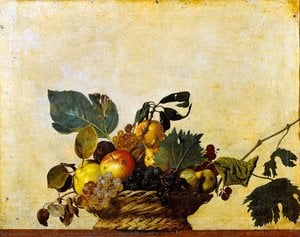
“Flight” by Michelangelo Merisi da Caravaggio is more than just a painting; it’s an embodiment of the Baroque spirit—a dramatic confrontation between light and darkness, emotion and stillness. Created around 1597, this monumental canvas resides in the Doria Pamphilj Gallery in Rome, offering visitors a glimpse into the artistic fervor that characterized the era.
Subject Matter: The scene depicts Mary cradling Jesus as angels descend from heaven, conveying a profound narrative of divine grace and humility. Caravaggio eschewed traditional iconography, opting for an intimate portrayal of the Virgin Mother and Child—a deliberate departure from prevailing artistic conventions that prioritized grandeur and idealized beauty.
Style & Technique: Caravaggio’s signature technique – tenebrism – dominates “Flight.” This dramatic chiaroscuro style employs stark contrasts between illuminated areas and deep shadows, creating an illusion of palpable depth and intensifying the emotional impact. The artist meticulously rendered every detail with astonishing realism, capturing textures and nuances that would have astonished his contemporaries.
Historical Context: Caravaggio’s work emerged during a period of intense religious fervor in Rome following the Counter-Reformation. Artists like Caravaggio sought to reinvigorate Christian art by conveying emotion and spiritual intensity—a reaction against the perceived formalism of Mannerism. The painting reflects the Baroque preoccupation with dramatic narrative and psychological realism, aligning perfectly with the artistic sensibilities of the time.
Symbolism: Beyond its biblical subject matter, “Flight” is laden with symbolic significance. The angel’s pose—reaching down towards Mary—represents divine compassion and protection. The serene expression on Mary's face embodies maternal piety and acceptance of God’s will. Even the humble setting—a simple grove of trees—underscores the painting’s message of humility before the majesty of God.
Emotional Impact: Caravaggio’s masterful use of light and shadow compels viewers to confront profound questions about faith, compassion, and human vulnerability. The painting's stillness is deceptive; it radiates an energy that draws us into its contemplative atmosphere—a testament to Caravaggio’s ability to elicit emotion through visual artistry.
Similar Paintings: Exploring the Baroque aesthetic further, consider examining “The Annunciation” by Hans Memling and “Vision of Blessed Alonso Rodriguez” by Francisco Zurbaran. These works share Caravaggio's commitment to realism and dramatic lighting, offering comparable insights into Renaissance spirituality.
Se recomienda el uso de (Acento cromático) y su ubicación en (Salón principal) para "Vuelo" de Caravaggio.
La composición cromática de "Vuelo" de Caravaggio combina un contraste Contraste máximo con una armonía Gran unidad cromática.
La identidad cromática de "Vuelo" de Caravaggio: una paleta Tonos tierra, dominada por el Verde ftalocianina (#302623).


1571 - 1610 , España

Embark on a sophisticated journey through Italian Baroque art. Discover the dramatic interplay of light and emotion in Caravaggio’s masterpieces and explore how to bring this timeless grandeur into your collection with expert art insights.

Discover the profound emotional power of Baroque painting. Explore the mastery of chiaroscuro, the realism of Caravaggio, and the dramatic interplay of light and shadow in this expert guide for classical art enthusiasts and collectors.
 Ver en contexto
 Enviar
 Compartir
 Detalles
 Guía
Guía

 Descargar
 Similares
 Radiografía
 Presentación de diapositivas
 Preguntas y respuestas
 Estadísticas

 Ver más









 La opción de vidrio solo está disponible en tamaños inferiores a 110 cm.