

Obtenga un archivo listo para imprimir que supera con creces la vista previa web. Cada imagen digital que vendemos proviene de un maestro de alta resolución de nuestro archivo —generalmente de entre 5.000 y 15.000 píxeles de ancho— para que pueda realizar impresiones de gran formato, recortar con precisión o reproducir detalles minuciosos con total confianza.
Ningún archivo sale de nuestro estudio sin ser intervenido. Un experto digital coteja los colores con la pintura original y los corrige si es necesario, para luego mejorar la claridad y el detalle mediante herramientas de retoque profesional —siempre manteniendo la fidelidad a la pincelada y al estilo del artista. El resultado es una imagen que evoca la esencia de la pintura, no un escaneo con filtros.
Aprobación previa al finalizar: nuestro experto le enviará la imagen por correo electrónico en un plazo de 72 horas para su revisión. ¿No está satisfecho? Puede solicitar mejoras o correcciones, o pedir un reembolso si la calidad no cumple con sus expectativas.
Esta es la calidad en la que confían editoriales, estudios de diseño, galerías e imprentas.
Descarga un archivo de alta resolución para exhibición personal, impresión y proyectos creativos. ( Cambiar a impresiones Comprar pintura hecha a mano)
Al elegir WahooArt.com, no solo está adquiriendo una imagen; está recibiendo una obra de arte digital mejorada profesionalmente, elaborada con precisión y respaldada por una garantía de satisfacción. Esto es todo lo que incluye su pedido, automáticamente:
Recibirá su archivo de imagen digital en alta resolución por correo electrónico en un plazo de 72 horas tras realizar su pedido, listo para su uso inmediato.
Su obra de arte se optimiza profesionalmente mediante herramientas avanzadas de IA y edición manual, garantizando el máximo detalle, claridad y precisión cromática.
¿Has borrado o perdido tu archivo por error? No te preocupes: te lo volveremos a enviar en cualquier momento, sin coste adicional.
Disfrute de su obra de arte al instante sin aduanas, aranceles ni gastos de envío; las descargas digitales siempre están libres de impuestos.
Garantizamos que su imagen digital refleje los colores originales con la mayor fidelidad posible, mediante el uso de herramientas profesionales y gestión del color.
Si no está satisfecho con su imagen digital, la revisaremos o le reembolsaremos el 100% en un plazo de 100 días, sin preguntas.
¿No está satisfecho? Obtenga un reembolso completo dentro de los 100 días posteriores a la recepción de su archivo digital, sin necesidad de explicaciones.
Compra 3 imágenes, ahorra 10% - Compra 5, ahorra 15% - Compra 10+, ahorra 20%. Ideal para proyectos creativos, galerías y agencias.

Nacido como Barrie Bates en Auckland, Nueva Zelanda, el 31 de diciembre de 1935, la trayectoria artística de Billy Apple fue una transformación radical: un despojo deliberado de su identidad para forjar una nueva personalidad dedicada enteramente a explorar la intersección entre el arte, el comercio y la vida cotidiana. Su carrera abarcó seis décadas, marcadas por una experimentación implacable con materiales, conceptos y su propia marca personal, estableciéndolo finalmente como una figura fundamental tanto en el movimiento Pop como en el Arte Conceptual. La obra de Apple no consistía simplemente en crear objetos; se trataba de cuestionar la naturaleza misma del arte: su valor, su contexto y su relación con el mundo que nos rodea.
Sus primeras influencias fueron sorprendentemente diversas. La formación inicial de Bates en la Elam School of Fine Arts en Auckland lo expuso a una floreciente escena artística neozelandesa, pero su verdadero despertar artístico ocurrió durante sus estudios en el Royal College of Art de Londres en 1959. Allí, en medio del vibrante y desafiante entorno del arte británico de la posguerra, encontró a artistas como David Hockney y Ridley Scott, absorbiendo sus enfoques innovadores mientras forjaba, simultáneamente, su propio camino distintivo. Este periodo sentó las bases para su posterior adopción de la fascinación del Pop Art por la cultura popular y su crítica al consumismo, un tema que se convertiría en el eje central de su práctica.
En 1962, Bates se reinventó dramáticamente como Billy Apple. Esto no fue meramente un cambio de nombre; fue una declaración artística completa. Decoloró su cabello y sus cejas con el producto Lady Clairol Instant Cremé Whip, un acto deliberado de apropiación y subversión que señalaba inmediatamente el rechazo a las nociones tradicionales de la personalidad del artista. La creación de "Billy Apple" coincidió con su traslado a la ciudad de Nueva York en 1964, donde comenzó a participar activamente en la creciente escena del Pop Art. Este cambio estratégico de marca le permitió operar fuera de las limitaciones de la identidad personal y concentrarse únicamente en su visión artística.
Los primeros trabajos de Apple en Nueva York se caracterizaron por un compromiso lúdico con la tecnología y la cultura de consumo. La exposición “American Supermarket”, comisariada por Ben Birillo en 1964, exhibió objetos cotidianos —productos agrícolas, alimentos enlatados, anuncios— todos creados por destacados artistas Pop, incluido el propio Apple. Este proyecto resaltó brillantemente la difuminación de las líneas entre el arte y el comercio, reflejando la creciente influencia de los medios de comunicación de masas y la publicidad en la sociedad. Más tarde, su exploración de la señalética de neón —particularmente en obras como “Apples to Xerox” (1965) y “Neon Rainbows” (1965)— se convirtió en un elemento distintivo, utilizando una luz sintética y brillante para llamar la atención sobre la artificialidad de la vida moderna.
A medida que avanzaba la década de 1970, Apple desplazó su enfoque hacia enfoques más conceptuales. Estableció “APPLE”, un innovador espacio de exhibición alternativa en el West Village de Nueva York en 1969. No era simplemente una galería; era un entorno autónomo diseñado para desafiar las prácticas artísticas convencionales y fomentar el diálogo. “APPLE” funcionaba tanto como lugar de exposición como foro para la experimentación artística, albergando obras de artistas como Geoff Hendricks, Larry Miller y Davi Det Hompson. El espacio se convirtió en un núcleo vital para la vanguardia, desafiando los límites y cuestionando las jerarquías establecidas dentro del mundo del arte.
Más allá de “APPLE”, Apple continuó desarrollando su propio sistema único de marca y autopromoción. Creó una línea de productos —sidra “Billy Apple”, café e incluso una variedad de manzana— extendiendo su identidad artística al reino del comercio. Este movimiento estratégico no buscaba simplemente generar ingresos; era una exploración deliberada de la relación entre el arte y el capital, cuestionando la definición misma de valor dentro del mercado del arte.
La influencia de Billy Apple en el arte contemporáneo es profunda. Fue pionero en técnicas como la escultura de neón y el branding personal, expandiendo los límites de la expresión artística y desafiando las nociones tradicionales del papel del artista. Su obra continúa exhibiéndose internacionalmente, reconocida por su rigor conceptual, su experimentación lúdica y su compromiso crítico con la sociedad. El legado de Apple se extiende más allá de sus obras individuales; alteró fundamentalmente la manera en que los artistas abordaban su práctica, demostrando el poder de la autoinvención y el potencial del arte para operar como un comentario sobre el mundo que nos rodea. Falleció en Auckland, Nueva Zelanda, el 6 de septiembre de 2021, dejando tras de sí un cuerpo de trabajo que permanece tanto provocador como profundamente perspicaz.
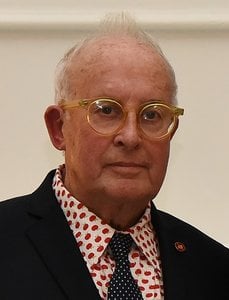
1935 - 2021 , Nueva Zelanda
 Ver en contexto
 Enviar
 Compartir
 Detalles
 Guía
Guía

 Descargar
 Similares
 Radiografía
 Presentación de diapositivas
 Preguntas y respuestas
 Estadísticas
 Ver más


