Asesoría de arte gratuita

x
Encargar reproducción Encargar reproducciónComprar imagen en alta resolución Comprar imagen en alta resolución EnviarEnviar
DetallesDetalles Añadir a favoritos Añadir a favoritos DescargarDescargar SimilaresSimilares Rayos XRayos X Presentación de diapositivasPresentación de diapositivas

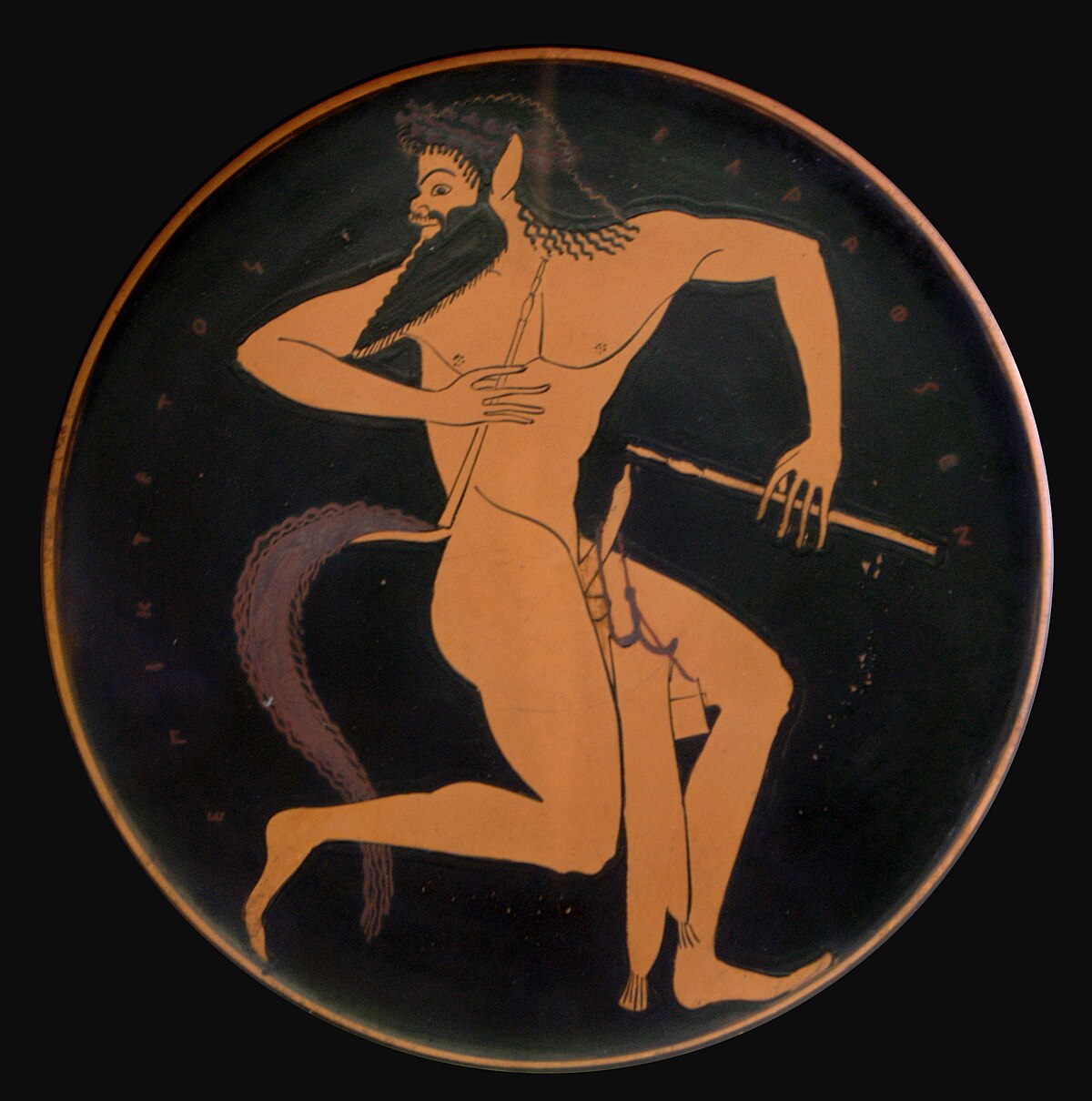
Satyr

Discover Benvenuto Cellini's iconic 'Satyr,' a captivating Renaissance sculpture embodying lustful nature & divine association. Explore its rich symbolism and masterful craftsmanship.

Benvenuto Cellini (1500-1571): Orfebre y escultor manierista italiano, famoso por 'Perseo' y el exquisito Salero de Cellini. ¡Descubre su arte y vida!

Giclée / Impresión de arte

Impresión giclée o en lienzo de calidad de museo con producción rápida y opciones de acabado flexibles.

P118B $10
P118H $10
P118W $10
P438Z $10
P508JH $12
P508YH $12
P805H $10
P805Z $10
P919BZ $10
P919G $10
P919XJ $10
P959ZH $10
P968JZ $12
W106C $8
W218G $10
W218JH $8
W218Y $10
W307PJ $10
W316G $10
W316PJ $8
W316Y $10
W398PJ $8
W4111J $10
W500HY $15
W500JH $15
W692G $12
W849H $8
W940BG $15
W953PJ $8

Standard
custom
CM
INCH

Elija entre nuestros tamaños predefinidos que respetan las proporciones originales de la obra.

ancho
altura

Puede introducir sus propias dimensiones para adaptarse a un marco o espacio específico. Si el tamaño seleccionado no coincide con las proporciones de la imagen original, recortaremos la obra de arte o extenderemos la imagen con un borde con efecto espejo o de color sólido. Se enviará una maqueta digital para su aprobación antes de que comience la producción.
Tenga en cuenta que la vista previa en pantalla no refleja el recorte o la extensión real. Solo la maqueta mostrará con precisión la composición final.
Aunque existen tamaños personalizados, recomendamos seleccionar una dimensión de la lista predefinida para preservar las proporciones originales.

Entrega mundial () en 2 semanas en lugar de las 4/5 semanas estándar. (2 julio)

why_choose_icon
Envío exprés gratuito a todo el mundo
why_choose_icon
Lienzo de lino de alta calidad
why_choose_icon
Seguro de envío total
why_choose_icon
Garantía de reembolso de impuestos aduaneros
why_choose_icon
Garantía de fidelidad de color
why_choose_icon
Política de devolución de 60 días (solo por defectos)
why_choose_icon
Garantía de devolución del 100% del dinero
why_choose_icon
Descuento por pedido múltiple

Precio total

-

reproduction

Satyr

Giclée / Impresión de arte

Tamaño de la reproducción

-

Precio total final

-

Datos clave

  • Artist: Benvenuto Cellini
  • Title: Satyr
  • Year: 1545
  • Artistic style: Realistic, sensual
  • Medium: Bronze
  • Notable elements: Wild features, horns
  • Dimensions: 57.0 x 19.0 x 10.5 cm

Test de arte

Solo hay una respuesta correcta para cada pregunta.

Pregunta 1:
Benvenuto Cellini’s ‘Satyr’ primarily exemplifies which artistic movement?
Pregunta 2:
The depiction of the satyr in ‘Satyr’ most closely aligns with which mythological role?
Pregunta 3:
What material is predominantly used in the construction of Benvenuto Cellini’s ‘Satyr’?
Pregunta 4:
The background of the ‘Satyr’ is characterized by:
Pregunta 5:
Considering Cellini's autobiography, what is a key element of his artistic approach highlighted in the ‘Satyr’?

Descripción de la obra

The Mythic Embrace of Benvenuto Cellini's Satyr

Benvenuto Cellini’s “Satyr” stands as a captivating testament to the dynamism and sensual allure that defined the Mannerist period in Italian art. Completed around 1545, this bronze sculpture transcends mere representation; it embodies the very spirit of Dionysian revelry and the untamed beauty of the natural world. More than just a depiction of a mythological creature, Cellini’s satyr is an embodiment of potent emotion – a moment frozen in time, brimming with both mischievous energy and a profound, almost melancholic contemplation.

Benvenuto Cellini's Satyr

The sculpture itself is a marvel of technical skill and expressive form. Standing nearly four feet tall, the satyr is rendered in a remarkably realistic style, yet imbued with an unmistakable Mannerist flair. His muscular physique, accentuated by the strong lines of his arms and belly, speaks to a primal vitality – a celebration of the body’s inherent power. The details are exquisite: the unruly curls of his hair, the intense gaze of his eyes, the subtle suggestion of a mischievous grin. Notably, the bronze is treated with a rich, aged patina that adds depth and character, hinting at the passage of time and the sculpture's journey through history.

A Glimpse into Renaissance Mythology

Cellini’s satyr isn’t simply a charming figure from Greek mythology; it’s deeply rooted in the cultural context of the 16th century. Satyrs, companions to the god Dionysus, were traditionally associated with wildness, intoxication, music, and fertility – potent symbols of human desires and impulses. In Renaissance Florence, these themes resonated powerfully, particularly within the circles of artists and intellectuals who sought to reconcile classical ideals with contemporary sensibilities. Cellini’s work reflects this complex interplay, capturing both the exuberance and the underlying melancholy inherent in the satyr's existence.

The sculpture’s creation coincided with Cellini’s time at the court of Francis I of France, a period marked by lavish patronage and an embrace of Mannerist aesthetics. This royal commission further elevated the work, imbuing it with a sense of grandeur and sophistication. The choice of bronze as the medium itself is significant – a material prized for its durability, luster, and ability to capture intricate detail.

Symbolism and Artistic Technique

Beyond its mythological subject matter, “Satyr” is rich in symbolic meaning. The satyr’s gesture—raised hand, as if reaching out or beckoning—suggests an invitation into a world of pleasure and abandon. The sculpture's composition, with the satyr presented in profile, creates a sense of intimacy and immediacy, drawing the viewer into his gaze. Cellini masterfully employed techniques such as *repoussé* (hammering metal from the reverse side to create relief) and *chasing* (using tools to refine the surface of the metal), demonstrating his exceptional skill as a goldsmith and sculptor.

The sculpture’s hollow back, filled with fragments of burnt clay and wooden pegs, is particularly intriguing. This deliberate inclusion suggests a layering of meaning—a reference to the satyr's connection to the earth and the cyclical nature of life and death. It also hints at Cellini’s own fascination with materials and his desire to create works that were both beautiful and intellectually stimulating.

A Timeless Masterpiece

Benvenuto Cellini’s “Satyr” remains a powerful and evocative work of art, captivating viewers with its blend of mythological narrative, technical brilliance, and emotional depth. It is a window into the Renaissance world—a celebration of human creativity, sensual desire, and the enduring power of myth. Reproductions by WahooArt offer an exceptional opportunity to bring this iconic masterpiece into your home or office, allowing you to appreciate its beauty and complexity for years to come.

Obras similares


Biografía del artista

Benvenuto Cellini: Un Polímata del Renacimiento

  • Nacido: Florencia, Italia (1 de noviembre de 1500)
  • Fallecido: 13 de febrero de 1571

Benvenuto Cellini fue una figura notable del Renacimiento italiano, reconocido como un consumado orfebre, escultor, dibujante, soldado, músico y escritor. Sus múltiples talentos y su personalidad flamígera se capturan vívidamente en su celebrada autobiografía, considerada una obra literaria significativa junto con sus logros artísticos. Encarna el espíritu del manierismo, un período posterior al Alto Renacimiento caracterizado por un dramatismo y una complejidad estilística.

Vida Temprana y Formación Artística

Nacido en una familia con inclinaciones musicales – su padre era músico y fabricante de instrumentos – Cellini inicialmente mostró promesas en la música. Sin embargo, a los quince años, persiguió apasionadamente una carrera como orfebre, convenciendo a su reacio padre para que lo hiciera aprendiz de Antonio di Sandro (conocido como Marcone). Esto marcó el comienzo de su formación artística formal. Sus primeros años no estuvieron exentos de incidentes; a los dieciséis años, se vio envuelto en una reyerta con compañeros, lo que llevó a su destierro de Florencia y un período trabajando en Siena bajo el orfebre Fracastoro.

Obras Artísticas Principales y Estilo

  • Altar de Sal: Esta elaborada obra maestra de plata, encargada por el rey Francisco I de Francia, es posiblemente su trabajo más famoso. Muestra detalles intrincados y figuras dinámicas, ahora ubicada en el Kunsthistorisches Museum de Viena.

  • Perseo con la Cabeza de Medusa: Una escultura de bronce que representa a Perseo triunfante sosteniendo la cabeza seccionada de Medusa, esta pieza ejemplifica la maestría de Cellini en la forma y la composición dramática. Es un testimonio de su habilidad para capturar el movimiento y la emoción en metal.
  • Medalla de Oro de Leda y el Cisne: Creada para Gonfaloniere Gabriello Cesarino, esta medalla demuestra la capacidad de Cellini para combinar la mitología clásica con una artesanía exquisita.
  • Proyecto para un Sello: Un dibujo conservado en el Museo Británico, que muestra sus habilidades de diseño.

El estilo de Cellini se caracteriza por su dinamismo, realismo y atención al detalle. Se inspiró en la antigüedad clásica y las figuras poderosas de Miguel Ángel, pero infundió su trabajo con una sensibilidad manierista distintiva: formas alargadas, poses exageradas y un sentido de teatralidad.

Vida Más Allá del Arte: Soldado, Músico y Autobiógrafo

La vida de Cellini se extendió mucho más allá del taller. Sirvió como soldado durante los asedios, afirmando haber desempeñado un papel crucial en la defensa de Roma contra las fuerzas imperiales. También fue un músico consumado, tocando el cornetín y la flauta en la corte papal. Sin embargo, es su autobiografía lo que verdaderamente lo distingue.

  • La Vida de Benvenuto Cellini: Este relato candido y a menudo jactancioso proporciona información invaluable sobre el arte, la cultura y la sociedad del Renacimiento. Es una narrativa convincente llena de anécdotas sobre patrones, rivales y aventuras personales, que ofrece una perspectiva única de la época.

Su autobiografía no es meramente un relato de eventos; es un autorretrato cuidadosamente construido diseñado para mostrar sus talentos y justificar sus acciones. Si bien a veces es poco fiable debido a los propios sesgos de Cellini, sigue siendo una fuente primaria esencial para comprender la vida del Renacimiento.

Legado y Significado Histórico

Benvenuto Cellini murió en Florencia en 1571, dejando atrás un legado como uno de los artistas más importantes del manierismo. Su habilidad técnica, innovación artística y cautivadora autobiografía continúan inspirando a artistas y entusiastas del arte por igual. Representa el ideal renacentista quintessential: un polímata hábil en múltiples disciplinas, impulsado por la ambición y sin miedo a expresar su individualidad. Sus obras son celebradas por su belleza, artesanía y poder dramático, lo que consolida su lugar como una figura clave en la historia del arte occidental.

Benvenuto Cellini

Benvenuto Cellini

1500 - 1571 , Italia

Datos clave

  • Artistas Que Influyeron: ['Miguel Ángel']
  • Fecha De Fallecimiento: 13 de febrero de 1571
  • Fecha De Nacimiento: 1 de noviembre de 1500
  • Lugar De Nacimiento: Florencia, Italia
  • Movimiento Artístico: Manierismo
  • Nacionalidad: Italiana
  • Nombre Completo: Benvenuto Cellini
  • Obras Notables:
    • Salero de plata
    • Perseo con Medusa
    • Medalla Leda y el cisne
Explore obras de arte organizadas por temas, estilos y características.