Vista previa Vista previa en RA Encargar reproducción pintada a mano Ver versión en imagen digital Compartir
Ver detalles Guía Añadir a favoritos Descargar Ver artículos similares Radiografía Presentación de diapositivas Estadísticas

The Blue Pool

Explore 'The Blue Pool' by Augustus Edwin John - a serene landscape painting capturing tranquility and introspection with loose brushstrokes and harmonious color palettes.

Descubre a Augustus Edwin John (1878-1961), maestro galés postimpresionista conocido por sus retratos impactantes y paisajes evocadores. ¡Explora su legado artístico!

La obra de arte que se muestra en esta página está protegida por las leyes de propiedad intelectual, lo que significa que no podemos crear ni vender legalmente una reproducción idéntica. Esta protección se hace cumplir en virtud de acuerdos internacionales como el Convenio de Berna y por las leyes nacionales, incluidas aquellas establecidas por el Ley de derechos de autor de los EE. UU. - Título 17.

Este método cumple plenamente con las normativas de derechos de autor, ya que no implica la copia ni la duplicación de la obra protegida. En su lugar, se trata de una reinterpretación creativa: una nueva pintura influenciada por la original, pero que no es idéntica a ella.

Giclée / Impresión de arte

Impresiones giclée o en lienzo de calidad de museo con producción rápida y opciones de acabado flexibles. ( Encargar reproducción pintada a mano Ver versión en imagen digital)

Corner sample of the P118B picture frame: poliestireno moldeado, 5 cm wide and 3 cm thick
P118B €10
Corner sample of the P118H picture frame: poliestireno moldeado, 5 cm wide and 3 cm thick
P118H €10
Corner sample of the P118W picture frame: poliestireno moldeado, 5 cm wide and 3 cm thick
P118W €10
Corner sample of the P438Z picture frame: poliestireno moldeado, 5.5 cm wide and 3.5 cm thick
P438Z €10
Corner sample of the P508JH picture frame: poliestireno moldeado, 7 cm wide and 3.5 cm thick
P508JH €12
Corner sample of the P508YH picture frame: poliestireno moldeado, 7 cm wide and 3.5 cm thick
P508YH €12
Corner sample of the P805H picture frame: poliestireno moldeado, 5 cm wide and 3.5 cm thick
P805H €10
Corner sample of the P805Z picture frame: poliestireno moldeado, 5 cm wide and 3.5 cm thick
P805Z €10
Corner sample of the P919BZ picture frame: poliestireno moldeado, 7 cm wide and 3.5 cm thick
P919BZ €10
Corner sample of the P919G picture frame: poliestireno moldeado, 7 cm wide and 3.5 cm thick
P919G €10
Corner sample of the P919XJ picture frame: poliestireno moldeado, 7 cm wide and 3.5 cm thick
P919XJ €10
Corner sample of the P959ZH picture frame: poliestireno moldeado, 5 cm wide and 3 cm thick
P959ZH €10
Corner sample of the P968JZ picture frame: poliestireno moldeado, 6 cm wide and 4 cm thick
P968JZ €12
Corner sample of the W106C picture frame: madera maciza, 5 cm wide and 3 cm thick
W106C €8
Corner sample of the W218G picture frame: madera maciza, 5 cm wide and 3 cm thick
W218G €10
Corner sample of the W218JH picture frame: madera maciza, 5 cm wide and 3 cm thick
W218JH €8
Corner sample of the W218Y picture frame: madera maciza, 5 cm wide and 3 cm thick
W218Y €10
Corner sample of the W307PJ picture frame: madera maciza, 6 cm wide and 3 cm thick
W307PJ €10
Corner sample of the W316G picture frame: madera maciza, 6 cm wide and 3 cm thick
W316G €10
Corner sample of the W316PJ picture frame: madera maciza, 6 cm wide and 3 cm thick
W316PJ €8
Corner sample of the W316Y picture frame: madera maciza, 6 cm wide and 3 cm thick
W316Y €10
Corner sample of the W398PJ picture frame: madera maciza, 5 cm wide and 3 cm thick
W398PJ €8
Corner sample of the W4111J picture frame: madera maciza, 6.5 cm wide and 3.5 cm thick
W4111J €10
Corner sample of the W500HY picture frame: madera maciza, 7 cm wide and 5 cm thick
W500HY €15
Corner sample of the W500JH picture frame: madera maciza, 7 cm wide and 5 cm thick
W500JH €15
Corner sample of the W692G picture frame: madera maciza, 8 cm wide and 4 cm thick
W692G €12
Corner sample of the W849H picture frame: madera maciza, 5 cm wide and 3 cm thick
W849H €8
Corner sample of the W940BG picture frame: madera maciza, 7.5 cm wide and 4.5 cm thick
W940BG €15
Corner sample of the W953PJ picture frame: madera maciza, 6 cm wide and 3.5 cm thick
W953PJ €8

Estándar
personalizado
CM
INCH

Elija entre nuestros tamaños predefinidos que respetan las proporciones originales de la obra.

ancho
altura

Introduzca el ancho y el alto que necesite para adaptarse a su marco o pared. Una impresión solo puede recortarse, nunca hacerse más grande que la imagen original, por lo que un tamaño con una forma distinta perderá parte de la obra. Le enviaremos una maqueta digital para su aprobación antes de realizar cualquier impresión. La imagen que se muestra en esta página no refleja el recorte real; solo la maqueta lo hace.

Envío a todo el mundo () en 2 semanas en lugar de las 4/5 semanas estándar. (21 octubre)

Envío exprés gratuito a todo el mundo
Lienzo de lino de alta calidad
Seguro de envío completo
Garantía de reembolso de impuestos aduaneros
Garantía de fidelidad cromática exacta
Política de devolución de 100 días (solo por defectos)
Garantía de devolución del 100% del dinero
Oferta por volumen

Precio total

€ 59

The Blue Pool

Giclée / Impresión de arte

Tamaño de la reproducción

-

Precio total

€ 59

Datos clave

  • Artist: Augustus Edwin John
  • Notable elements or techniques: Loose brushstrokes, harmonious colors
  • Title: The Blue Pool
  • Medium: Oil on panel
  • Subject or theme: Woman by a serene blue pool

Cuestionario de arte

Cada pregunta tiene una única respuesta correcta.

Pregunta 1:
What is the primary subject of Augustus Edwin John's painting 'The Blue Pool'?
Pregunta 2:
In which year was 'The Blue Pool' painted?
Pregunta 3:
Which artistic technique is used in this painting to create a sense of tranquility and impressionistic essence?
Pregunta 4:
Where is the original painting 'The Blue Pool' currently housed?
Pregunta 5:
What color is the woman's dress in the painting?

A Moment of Serenity: The Soul of The Blue Pool

In the quietude of 1910, Augustus Edwin John captured a vision of profound stillness in his masterpiece, The Blue Pool. This evocative oil on panel serves as more than just a landscape; it is an intimate window into a world where nature and human presence exist in perfect, contemplative harmony. The painting presents a solitary woman perched upon a rugged, rocky outcrop, her gaze directed toward the viewer with an expression that invites us into her silent world. Dressed in a verdant green gown with a delicately patterned bodice, she stands as a vibrant focal point against the cool, tranquil depths of the water. The composition is masterfully balanced, using the weight of the earth and stone to anchor the ethereal lightness of the blue pool, creating a sense of grounded peace that resonates deeply with anyone seeking a sanctuary within art.

The technique employed by John reveals his prowess as a leading figure of the British Post-Impressionist movement. Eschewing the rigid precision of academic realism, he utilizes loose, fluid brushstrokes that prioritize the emotional essence of the scene over meticulous detail. This painterly approach allows the light to dance across the surface of the water and the textures of the mossy rocks to feel alive and breathing. The artist’s palette is a sophisticated study in harmony; he skillfully blends deep cerulean and soft azure with earthy browns and lush greens, creating a chromatic rhythm that guides the eye through the landscape. For the discerning collector or interior designer, this technique offers a tactile richness that brings a sense of movement and organic life to any curated space.

Beyond its aesthetic beauty, The Blue Pool carries a weight of introspection and symbolism. The pool itself, acting as a mirror to the sky and the surrounding greenery, symbolizes the clarity of the mind and the depth of the human spirit. There is a subtle tension between the permanence of the rocky terrain and the fleeting, shimmering nature of the water, reflecting the ephemeral beauty of life's quiet moments. As a piece of art, it functions as an emotional anchor, offering a sense of tranquility and introspection that can transform a room into a place of meditation. Whether displayed in a contemporary gallery setting or a classic study, this reproduction of John’s work serves as a timeless testament to the power of nature to soothe the modern soul.

Preguntas y respuestas

¿Cuál es la luminancia de "The Blue Pool" de Augustus Edwin John?

La luminancia registrada para "The Blue Pool" de Augustus Edwin John es Gentle Luminance.

¿Para qué se recomienda una reproducción de "The Blue Pool" de Augustus Edwin John?

El uso sugerido para "The Blue Pool" de Augustus Edwin John es Accent. También puede servir para otros fines.

¿En qué estancia del hogar quedaría bien una reproducción de "The Blue Pool"?

El espacio recomendado para "The Blue Pool" de Augustus Edwin John es un Living Room. Por supuesto, esta sugerencia puede adaptarse a su interiorismo.


Biografía del artista

Augustus Edwin John: Una Vida en el Arte

  • Nacido: 4 de enero de 1878, Tenby, Gales
  • Fallecido: 31 de octubre de 1961, Fordingbridge, Inglaterra

Primeros Años y Formación Artística

  • La vida temprana de John estuvo marcada por su herencia galesa y un entorno familiar solidario. Su madre le inculcó el amor por el dibujo desde una edad temprana.
  • Asistió a la Escuela de Arte de Tenby a los 17 años, demostrando una aptitud artística temprana.
  • Estudios posteriores en la Slade School of Fine Art, University College London (1894-1898), fueron fundamentales para su desarrollo como artista. Se destacó allí, ganando el Premio Veraniego de Arte Slade en 1898.
  • Una lesión significativa en la cabeza en 1897 condujo a un cambio dramático en su personalidad y estilo artístico, marcado por una mayor espontaneidad y audacia.

Estilo Artístico y Obras Principales

  • Influencias: La obra de John estuvo influenciada por pintores de la Vieja Escuela como Peter Paul Rubens, así como por contemporáneos franceses como Matisse y Gauguin. También se inspiró en Puvis de Chavannes.
  • Estilo: Su estilo evolucionó a través del Postimpresionismo, caracterizado por colores vibrantes, pinceladas expresivas y un enfoque en capturar la esencia de sus sujetos.
  • Retratista: John es mejor conocido por sus retratos, que a menudo representaban figuras aristocráticas y personalidades literarias. Tenía una habilidad para capturar una "actitud instantánea" en sus modelos. Ejemplos notables incluyen retratos de David Lloyd George, James Joyce y George Bernard Shaw.
  • Obras Notables:
    • Caspar (1909): Un retrato conmovedor que muestra la inocencia juvenil.
    • Retratos de Archibald Henry Macdonald Sinclair (1924)
    • Retrato de Francis Henry Crittall (1919)
    • Air Mechanic Shaw (Coronel T. E. Lawrence de Arabia, 1935)
    • David John (1937)
  • Lore Gitana: Una fascinación por la cultura romaní llevó a un período en el que él y su familia viajaron en una caravana, influyendo en sus temas artísticos y finalmente lo condujo a convertirse en Presidente de la Gypsy Lore Society.

Desarrollo y Significado Histórico

  • Inicialmente celebrado por sus dibujos figurativos y sus innovadoras técnicas de óleo, el trabajo posterior de John a veces sufrió un declive en el brillo pictórico, volviéndose más flamboyant que impactante.

  • Durante la Primera Guerra Mundial, sirvió como artista de guerra adjunto a las fuerzas canadienses, creando retratos memorables de soldados. Un incidente subsiguiente condujo a su regreso a Inglaterra.
  • A pesar de las fluctuaciones en la recepción crítica a lo largo de su carrera, Augustus Edwin John sigue siendo una figura importante en la historia del arte británico. Fue uno de los pocos artistas británicos que logró un reconocimiento público generalizado y ayudó a popularizar el Postimpresionismo en el Reino Unido.
  • Su legado radica en su excepcional dominio del dibujo, su capacidad para capturar el carácter en el retrato y su contribución al desarrollo de la pintura moderna británica.

Años Posteriores y Legado

  • John recibió la Orden del Mérito en 1942, reconociendo sus contribuciones al arte.
  • Escribió dos volúmenes de autobiografía, Chiaroscuro (1952) y Finishing Touches (publicado póstumamente en 1964).
  • Si bien su reputación experimentó un declive después de la Segunda Guerra Mundial, ha habido un renovado interés en su obra, particularmente sus piezas tempranas.
  • La hermana de John, Gwen John, también fue una artista muy respetada, lo que solidificó aún más el legado artístico familiar.
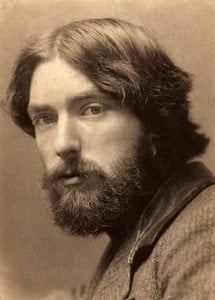
Augustus Edwin John

Augustus Edwin John

1878 - 1961 , Gales

Datos clave

  • Artistas Que Influyeron:
    • Rubens
    • Matisse
    • Gauguin
  • Fecha De Fallecimiento: 31 de octubre de 1961
  • Fecha De Nacimiento: 4 de enero de 1878
  • Lugar De Nacimiento: Tenby, Reino Unido
  • Movimiento Artístico: Postimpresionismo
  • Nacionalidad: Galés
  • Nombre Completo: Augustus Edwin John
  • Obras Notables:
    • Caspar (1909)
    • Air Mechanic Shaw (1935)
    • David John (1937)
Explore obras de arte organizadas por temas, estilos y características.