Asesoría de arte gratuita

x
Comprar impresión Comprar impresiónComprar imagen en alta resolución Comprar imagen en alta resolución EnviarEnviar
DetallesDetalles Añadir a favoritos Añadir a favoritos DescargarDescargar SimilaresSimilares RadiografíaRadiografía Presentación de diapositivasPresentación de diapositivas

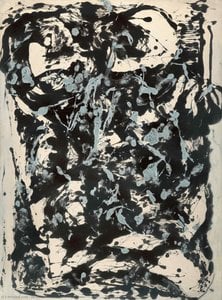
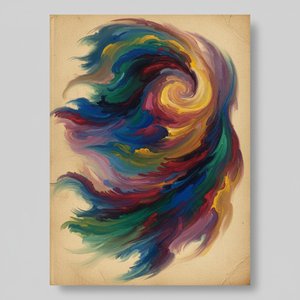
Untitled

Antoni Clavé (1913-2005) fue un maestro catalán conocido por su abstracción lírica, escenografía y grabado. Su obra evolucionó del barroco al minimalismo, influyendo en el arte moderno con líneas expresivas y collage.

Reproducción al óleo hecha a mano

Óleo sobre lienzo pintado a mano en el tamaño y marco de su elección, realizado por encargo por nuestros artistas.

Standard
custom
CM
INCH

Elija entre nuestros tamaños predefinidos que respetan las proporciones originales de la obra.

ancho
altura

Puede ingresar sus propias dimensiones para adaptarse a un marco o espacio específico. Si el tamaño seleccionado no coincide con las proporciones de la imagen original, recortaremos la obra o extenderemos la pintura con elementos adicionales pintados a mano. Se le enviará una maqueta digital para su aprobación antes de comenzar la producción.
Tenga en cuenta que la vista previa en pantalla no refleja el recorte o la extensión reales. Solo la maqueta mostrará con precisión la composición final.
Si bien existen tamaños personalizados, recomendamos seleccionar una dimensión de la lista predefinida para preservar las proporciones originales.

Ejemplos de lo que se puede personalizar: Reemplace el rostro con una foto del cliente; Agregue una mascota (por ejemplo, cambie un gato por un perro); Incluya un mensaje oculto en el fondo; Cambie el paisaje o los elementos del fondo.
Tras realizar el pedido, el equipo de WahooArt.com enviará un correo electrónico al cliente para solicitar instrucciones y proporcionarle una vista previa del boceto.

Entrega mundial () en 3-4 semanas en lugar de las 5 semanas estándar. (4 julio). Sin compromisos con la calidad.

why_choose_icon
Envío exprés gratuito a todo el mundo
why_choose_icon
Lienzo de lino de alta calidad
why_choose_icon
Seguro de envío total
why_choose_icon
Garantía de reembolso de impuestos aduaneros
why_choose_icon
Garantía de fidelidad de color
why_choose_icon
Política de devolución de 60 días (solo por defectos)
why_choose_icon
Garantía de devolución del 100% del dinero
why_choose_icon
Descuento por pedido múltiple

Precio total

-

reproduction

Untitled

Técnica de reproducción

Tamaño de la reproducción

-

Precio total final

-


Biografía del artista

Antoni Clavé: A Pioneer of Lyrical Abstraction

Antoni Clavé (1913-2005) stands as a singular figure in Catalan art history, recognized for his transformative journey from ornate Baroque beginnings to the radical exploration of pure abstraction. Born in Barcelona, Spain, Clavé’s artistic trajectory mirrored the broader shifts occurring within European modernism—a fascination with bold lines, textural layering, and the evocative power of collage that cemented his place among the luminaries of 20th-century art. His work wasn't merely aesthetically pleasing; it was imbued with a profound engagement with political and social currents, notably his participation in the Spanish Civil War and subsequent exile in France.

Early Influences & Training: Baroque Foundations and Impressionistic Echoes

Clavé’s formative years were spent at the Escola Superior d’Arts Aplicades de Barcelona, where he honed his skills under the tutelage of Ángel Ferrant and Félix Mestres—artists deeply rooted in Catalan tradition yet receptive to burgeoning avant-garde ideas. These mentors instilled in him a foundational understanding of Baroque ornamentation alongside an appreciation for Impressionistic techniques, shaping his initial artistic sensibilities. This dual influence is palpable in his early canvases—characterized by meticulous detail reminiscent of Baroque grandeur juxtaposed with the luminous color palettes and atmospheric effects characteristic of Impressionism. He mastered the art of capturing fleeting moments and conveying emotion through subtle tonal variations, establishing a stylistic bedrock that would inform his subsequent explorations.

The Dada Movement & Parisian Awakening: Embracing Chance and Experimentation

A pivotal moment in Clavé’s artistic evolution arrived with his relocation to Paris in 1939—a city brimming with intellectual ferment and artistic dynamism. Immediately captivated by the rebellious spirit of the Dada movement, he encountered influential figures like Max Ernst, forging connections that would prove instrumental to his stylistic development. Dada’s rejection of rationalism and embrace of spontaneity resonated deeply with Clavé’s sensibilities, prompting him to experiment with unconventional materials and techniques—a departure from the formal constraints of academic art. This period witnessed a surge in his creativity as he absorbed the energy of Parisian avant-garde circles and actively engaged in dialogues with fellow artists pushing boundaries of artistic expression.

Collaboration with Picasso & Figurative Exploration: Inspiration from Genius

A serendipitous encounter with Pablo Picasso in 1944 ignited a collaborative dialogue that profoundly impacted Clavé’s artistic vision. Picasso's monumental canvases served as inspiration for Clavé’s own figurative compositions, populated by archetypal characters—kings, harlequins, children—and imbued with symbolic resonance. This partnership fostered a shared exploration of human psychology and mythology, resulting in works characterized by meticulous craftsmanship and evocative imagery. Clavé skillfully incorporated Picasso's stylistic innovations—such as fractured perspectives and flattened planes—into his canvases, demonstrating an astute understanding of artistic influence and forging a lasting bond between two titans of 20th-century art.

Stylistic Evolution: Minimalism, Collage & Texture – A Journey Towards Pure Expression

From the ornate Baroque to the austere minimalism of the mid-1940s, Clavé’s stylistic trajectory embodies the transformative impulses of modernism. Rejecting decorative excess in favor of reductive forms and tonal harmonies, he embraced collage techniques—integrating fragments of printed matter and other found objects—into his canvases. This innovative approach challenged conventional notions of representation and prioritized textural surfaces—particularly papier froissé—as expressive elements. Clavé’s later works further solidified this commitment to abstraction, exploring the interplay of color, line, and shape with unwavering precision and conveying profound emotional depth through deceptively simple compositions. His artistic legacy resides in his pioneering exploration of visual language and his enduring influence on subsequent generations of artists. ### Notable Achievements & Recognition Clavé’s contributions to theater design—particularly for Roland Petit's ballet company—earned him international acclaim and cemented his reputation as a visionary artist. He was nominated for two Academy Awards for his work on “Hans Christian Andersen” (1952), demonstrating his versatility across disciplines. Furthermore, he received the Medalla de Oro de la Generalidad de Cataluña in 1984, recognizing his artistic merit and cementing his place among Catalonia’s cultural treasures. His monumental retrospective at Galerie Creuzevault in Paris showcased the breadth of his oeuvre—a testament to a lifetime dedicated to artistic innovation and expressive exploration.
Antoni Clavé

Antoni Clavé

1913 - 2005 , España

Datos clave

  • Artistic Movement Or Style: Lyrical abstracción; Minimal estética
  • Artists Or Movements Influenced By This Artist: ['Cubismo']
  • Artists Who Influenced This Artist:
    • Georges Braque
    • Henri Matisse
  • Date Of Birth: 5 abril 1913
  • Full Name: Antoni Clavé i Sanmartí
  • Nationality: Español
  • Notable Artworks:
    • Poisson
    • Femme et enfant dans un parc
    • Untitled
  • Place Of Birth: Barcelona, España