


 Óleo sobre lienzoArte de paredCubist Influences
 1917Plena Edad Media
 92.0 x 60.0 cm
Impresiones giclée o en lienzo de calidad de museo con producción rápida y opciones de acabado flexibles. ( Comprar pintura hecha a mano Comprar imagen)





























Elija entre nuestros tamaños predefinidos que respetan las proporciones originales de la obra.

Puede introducir sus propias dimensiones para adaptarse a un marco o espacio específico. Si el tamaño seleccionado no coincide con las proporciones de la imagen original, recortaremos la obra de arte o extenderemos la imagen con un borde con efecto espejo o de color sólido. Se enviará una maqueta digital para su aprobación antes de que comience la producción.
Tenga en cuenta que la vista previa en pantalla no refleja el recorte o la extensión real. Solo la maqueta mostrará con precisión la composición final.
Aunque existen tamaños personalizados, recomendamos seleccionar una dimensión de la lista predefinida para preservar las proporciones originales.
Envío a todo el mundo () en 2 semanas en lugar de las 4/5 semanas estándar. (6 septiembre)


Max Jacob (1876-1944)
Dimensiones de la reproducción
The portrait of Max Jacob, painted by Amedeo Modigliani in 1917, isn’t merely a likeness; it's an exquisitely rendered distillation of the artist’s signature style and a poignant reflection on the complexities of human experience. This intimate depiction of the French poet captures not just his physical form but also a palpable sense of introspection, a quiet melancholy that resonates deeply with viewers even today. The painting immediately draws us in with its muted palette – predominantly blues, browns, and subtle pinks – creating an atmosphere of subdued elegance. The dark clothing against the lighter skin tones establishes a striking contrast, emphasizing Jacob’s presence while simultaneously hinting at a certain isolation.
Modigliani’s technique in this portrait is remarkably deliberate. He eschews meticulous detail in favor of broad strokes that define planes of color rather than rendering surfaces with precision. This flattening of space, a key characteristic of his style, creates an almost two-dimensional effect, lending the image a sense of immediacy and timelessness. The strong, defined lines – particularly around the nose and eyebrows – are not simply delineating features; they’re actively shaping them, contributing to the portrait's stylized and somewhat unsettling beauty. The deliberate use of outlines emphasizes the geometric forms that dominate the composition, reinforcing the Cubist influence.
Beyond its formal elements, the portrait is laden with symbolic weight. The elongated neck and facial features, so characteristic of Modigliani's style, are often interpreted as expressions of melancholy or introspection – a reflection perhaps of his own personal struggles and the pervasive sense of disillusionment that characterized early 20th-century Europe. The formal attire suggests Jacob’s intellectual standing and social position, while simultaneously hinting at a certain detachment from the world around him. Painted during a period of significant artistic experimentation and social upheaval, this portrait captures not just a likeness but also a moment in time – a glimpse into the vibrant, yet often turbulent, cultural landscape of Paris.
Historical Context:** The painting was created in 1917, a year marked by the outbreak of World War I. This context undoubtedly informs the melancholic mood of the portrait and adds another layer of complexity to its interpretation.A reproduction of Modigliani’s Portrait of Max Jacob offers a unique opportunity to bring this captivating artwork into your home or office. WahooArt.com provides meticulously crafted hand-painted reproductions that faithfully capture the nuances of the original, ensuring that you experience the full emotional impact and artistic brilliance of this iconic piece. Whether you are an art enthusiast, a collector seeking to expand your collection, or simply someone looking for a striking addition to your interior décor, this reproduction is sure to be a conversation starter – a testament to Modigliani’s enduring legacy and his profound ability to capture the essence of human emotion.


1884 - 1920 , Italia
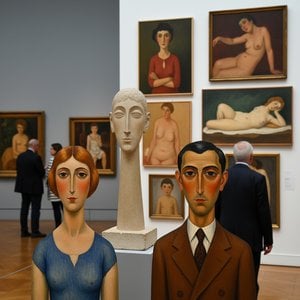
Descubre las 25 obras maestras de Amedeo Modigliani, el artista italiano del expresionismo. Retratos icónicos, esculturas conmovedoras y lienzos llenos de melancolía. Encuentra reproducciones de arte exclusivas y decoración para tu hogar en WahooArt.com.
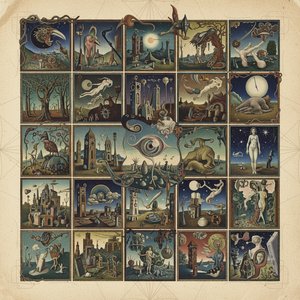
Descubre las 25 obras maestras de Max Ernst, el rey del surrealismo. Explora su arte onírico, técnicas innovadoras y simbolismo profundo. Reproducciones de alta calidad para decorar tu hogar con estilo en WahooArt.com

Descubre las 10 esculturas de bronce más legendarias que revolucionaron el arte. Explora la historia de Rodin, Degas y otros maestros del bronce. Encuentra reproducciones de alta calidad e inspiración para tu hogar en WahooArt.com.

Descubre las 10 esculturas de bronce más influyentes de la historia del arte. Explora obras maestras de Rodin, Degas y otros genios. Encuentra reproducciones de arte de calidad museo en WahooArt.com.

Explore the rich history of sculpture from ancient masterpieces to contemporary innovations. Discover key techniques, influential artists & investment potential for discerning art collectors.

 Ver en contexto
 Enviar
 Compartir
 Detalles

 Descargar
 Similares
 Radiografía
 Presentación de diapositivas
 Ver más







 La opción de vidrio solo está disponible en tamaños inferiores a 110 cm.


